
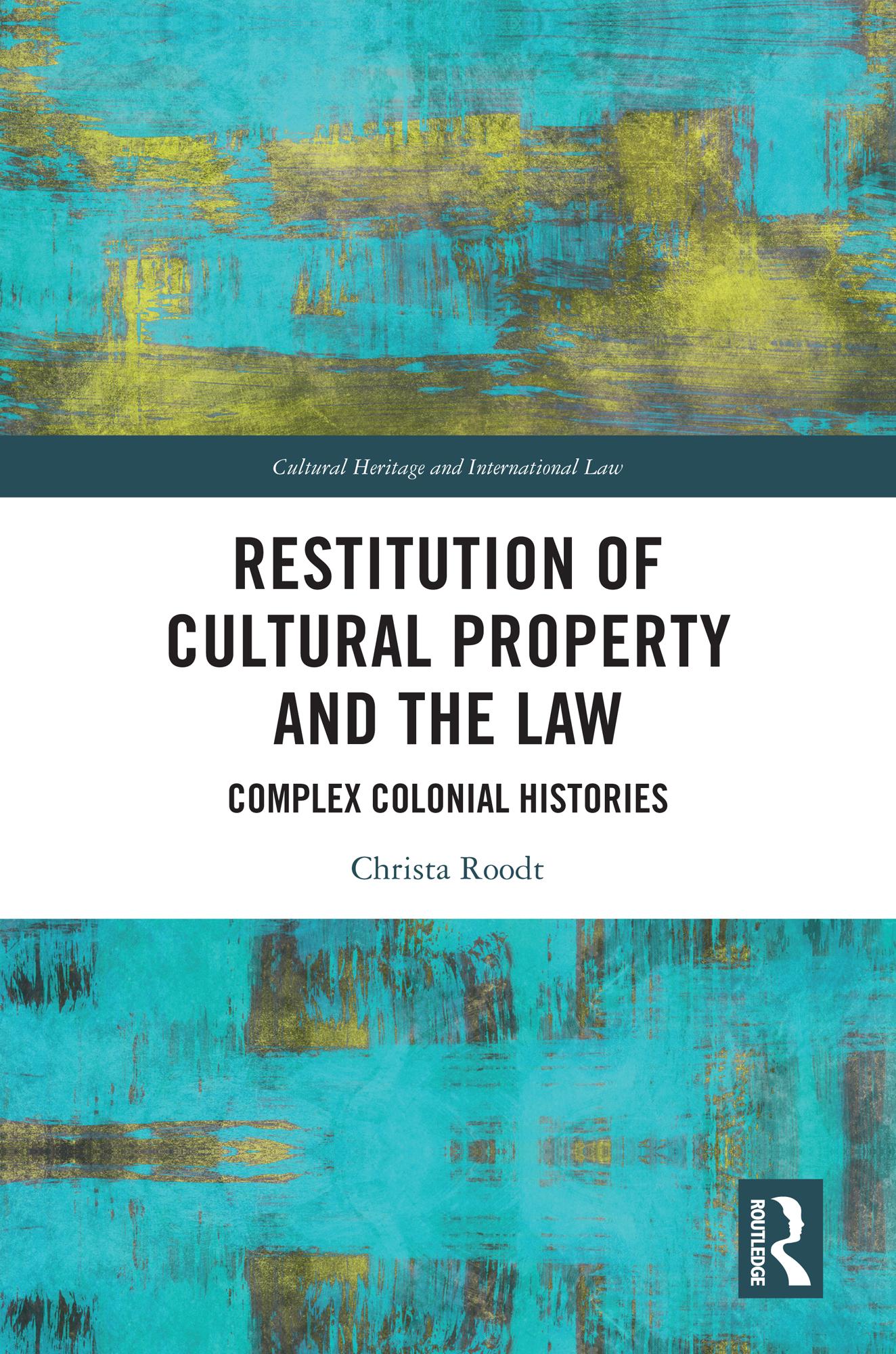
This book adopts a novel approach to the social question of restitution and repatriation of sacred cultural property and heritage acquired unethically during the colonial era. It uses an approach premised on better integration of law, ethics, history, anthropology, and provenance research.
To bridge the material and the sacred world in adjudication and policy formulation, a common definition of what the ‘sacred’ denotes in the context of colonial legacies is adopted as a viable methodology. ‘Sacred’ loot in private and public collections is defined based on clues imparted by disputes which are paradigmatic of the fragmentation that envelops the material, the systems of knowledge associated with that material, the structure and method of international law, subject specialisations, and the legal frameworks in play. The book suggests that the Parthenon Sculptures dispute and the parallel transnational litigation in the Zhanggong Zushi Statue cases offer practical approaches for deconstructing hurdles and assumptions concerning historical claims in the secondary legal norms and tenets of PrIL.
It will be of interest to researchers interested in interdisciplinary work across the humanities and social sciences, including public and private international law, cultural property law, heritage law, and provenance research and practice.
Paga facilmente con carta, Klarna, Apple Pay o Google Pay. Non sei soddisfatto? Hai sempre 14 giorni per il rimborso. Leggi di più nei nostri termini. Per qualsiasi domanda, scrivici a hello@memmo.org.
Memmo rende lo studio più facile, ovunque tu sia nel mondo. Qui trovi i tuoi libri di testo e strumenti di studio intelligenti, tutto in un unico posto: riassunti, quiz, podcast e flashcard. E poi c'è Ted, il tuo compagno di studio che risponde a ogni tua domanda. Oltre 50.000 studenti studiano già qui: è stato creato per aiutarti a imparare più velocemente e a stressarti meno.