
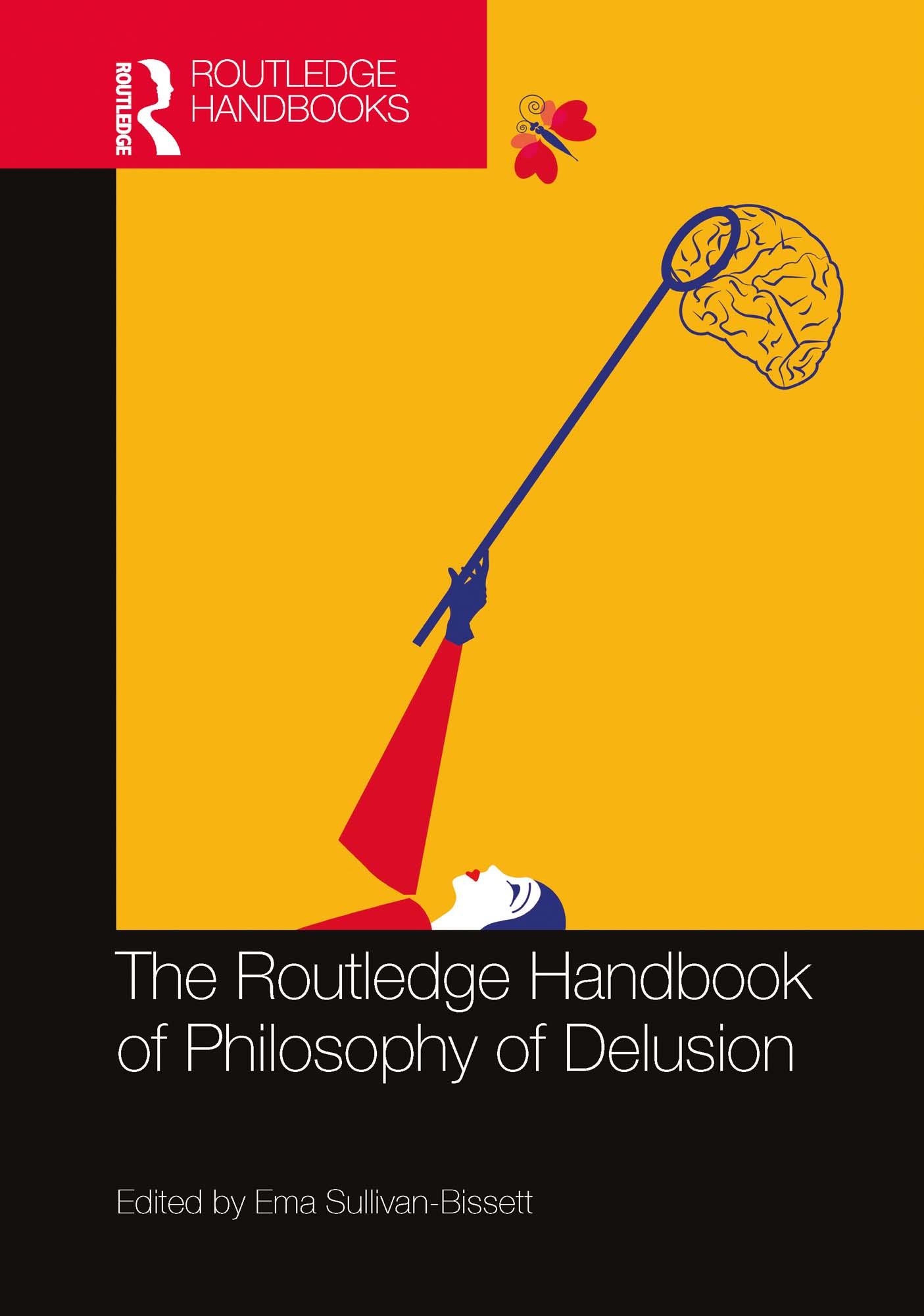
Delusions play an important and fascinating role in philosophy and are a particularly fertile area of study in recent years, spanning philosophy of mind and psychology, epistemology, ethics, psychology, psychiatry, and cognitive science. The Routledge Handbook of Philosophy of Delusion explores the conceptual and philosophical issues in the study of delusion and is the first major reference source of its kind.
Comprising 38 chapters by an international team of contributors, the Handbook is divided into six clear parts:
- The Nature of Delusion
- Delusion in Disorders
- Epistemology of Delusion
- Delusion’s Place in the Mind
- Delusion Formation
- Responsibility, Culture, and Society.
Within these sections, key topics are discussed including delusions and wellbeing, delusions as they occur in wider mental disorder, the epistemic profile of delusions (evidence, justification, rationality), how delusions are formed, delusions and folk psychology (how they relate to belief, self-deception, imagination, and so on), and delusions in the wider social and cultural context.
An outstanding resource for both students and researchers, The Routledge Handbook of Philosophy of Delusion is essential reading for those working on delusion in philosophy departments, and also suitable for those in related disciplines such as psychology, psychiatry, and cognitive science.
Paga facilmente con carta, Klarna, Apple Pay o Google Pay. Non sei soddisfatto? Hai sempre 14 giorni per il rimborso. Leggi di più nei nostri termini. Per qualsiasi domanda, scrivici a hello@memmo.org.
Memmo rende lo studio più facile, ovunque tu sia nel mondo. Qui trovi i tuoi libri di testo e strumenti di studio intelligenti, tutto in un unico posto: riassunti, quiz, podcast e flashcard. E poi c'è Ted, il tuo compagno di studio che risponde a ogni tua domanda. Oltre 50.000 studenti studiano già qui: è stato creato per aiutarti a imparare più velocemente e a stressarti meno.