
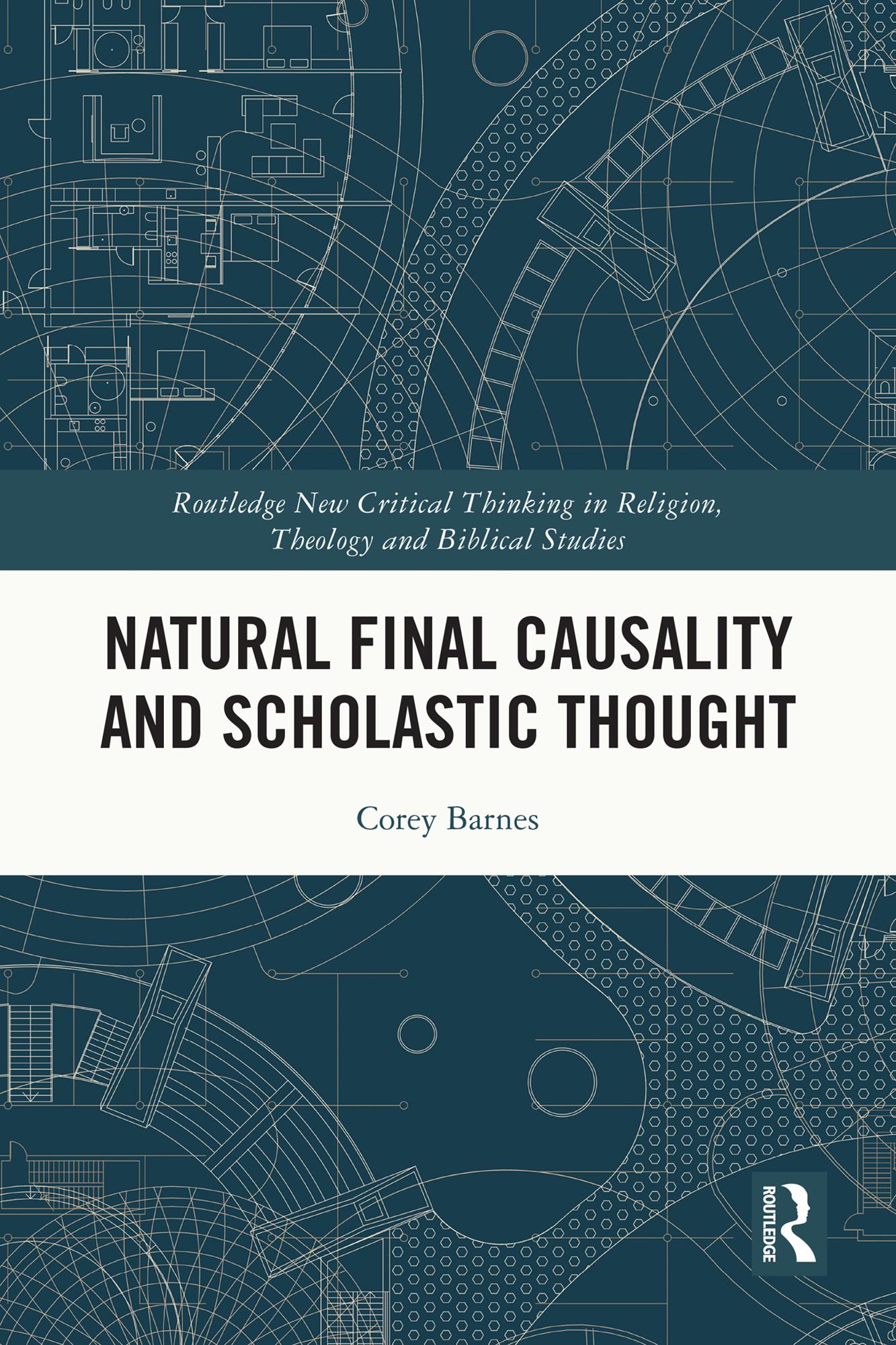
This book examines scholastic conceptions of final causality through the methods and concerns of historical theology. It argues the history of final causality is most profitably understood according to the interplay of regularity, order, and intentionality as interpretive categories. Within this analytic framework, the author explores the history and theological implications of final causality from Aristotle to Nicole Oresme, utilizing shifts in the dominant interpretive category to clarify how final causality could change from one of four co-equal explanatory strategies in Aristotle to the cause of causes in Avicenna to a merely metaphorical cause in Walter Chatton. Theological debates – ranging from questions of creation, the relationship of primary and secondary causality and of the ultimate good to secondary goods, the autonomy or instrumentality of nature, and the compatibility of chance with providence – motivated many of these changes. The chapters examine final causality in Aristotle and the commentorial tradition from late antiquity to medieval Arabic sources and then consider in detail various scholastic understandings and uses of final causality. The book will be of particular interest to scholars of historical theology, systematic theology, scholastic thought, and medieval philosophy.
Paga facilmente con carta, Klarna, Apple Pay o Google Pay. Non sei soddisfatto? Hai sempre 14 giorni per il rimborso. Leggi di più nei nostri termini. Per qualsiasi domanda, scrivici a hello@memmo.org.
Memmo rende lo studio più facile, ovunque tu sia nel mondo. Qui trovi i tuoi libri di testo e strumenti di studio intelligenti, tutto in un unico posto: riassunti, quiz, podcast e flashcard. E poi c'è Ted, il tuo compagno di studio che risponde a ogni tua domanda. Oltre 50.000 studenti studiano già qui: è stato creato per aiutarti a imparare più velocemente e a stressarti meno.
Potrebbe interessarti anche
Acquista il libro0