
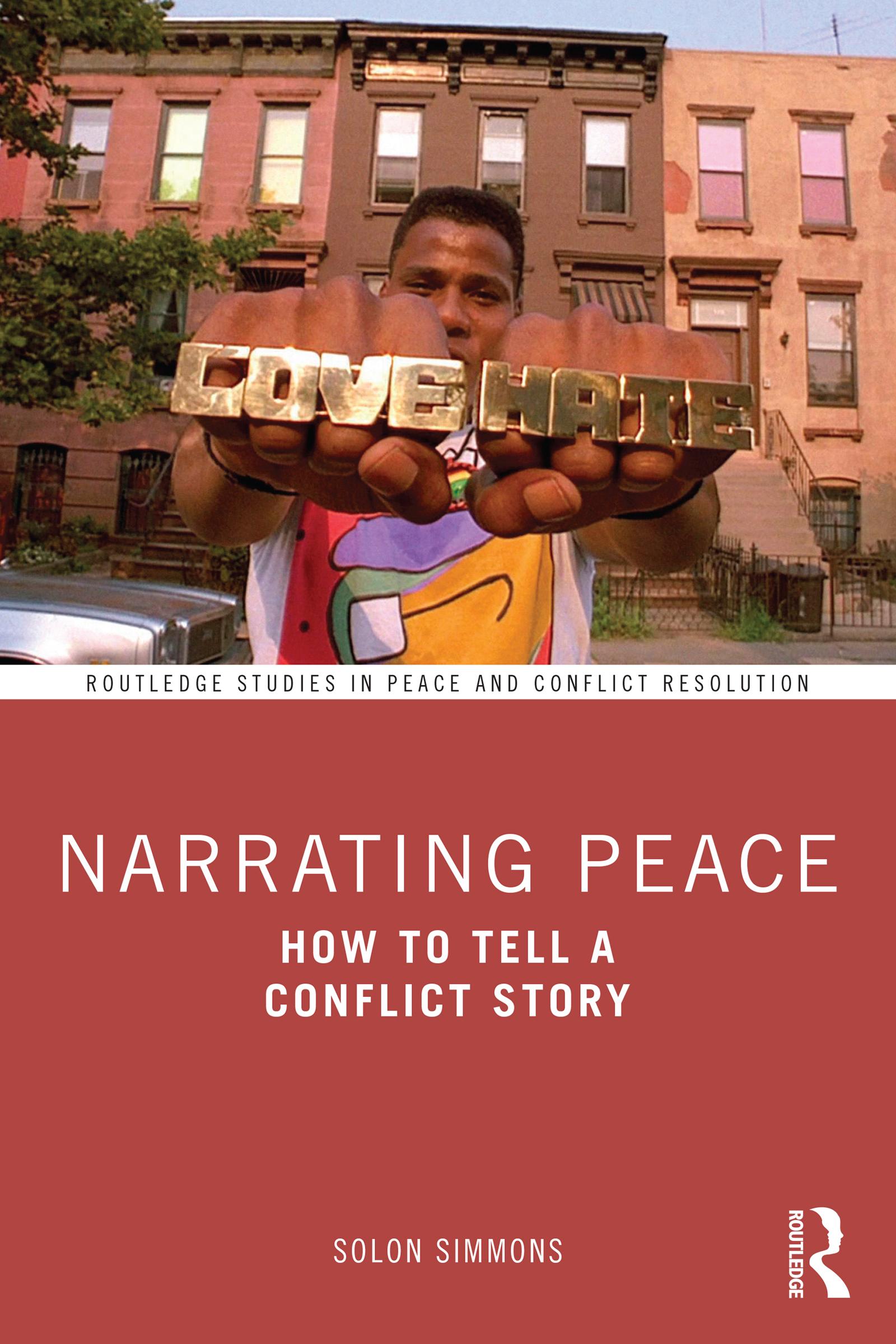
This book provides practical tools, models, and frameworks for thinking about how a story is structured, all in order to help us think about conflict. Using examples from literature and films for developing narrative competence in everyday life, the book illustrates a new model of four basic plot types that can push a reader/viewer either toward political struggle (a justice or vindication story) or toward a journey of self-realization (a peace or reconciliation story). The examples used in the book span a wide array of conflict situations, from climate change to native American genocide, from reproductive rights and gender-based violence to Algerian independence and Arab identity, from Jim Crow segregation and civil rights to the Vietnam War and colonial collapse, from Latino educational opportunities to the liberation of Bengal and the emergence of the idea of the Global South. This simple-to-use model of story grammar is integral for the practice of both politics and peacemaking and opens a new window on literary analysis and the craft of storytelling. Along the way, it provides us with a new way to understand human purpose and offers precise definitions of the concepts of peace and justice.
This book will be of great interest to students and practitioners of international relations, security studies, political theory, and peace and conflict/justice studies.
Paga facilmente con carta, Klarna, Apple Pay o Google Pay. Non sei soddisfatto? Hai sempre 14 giorni per il rimborso. Leggi di più nei nostri termini. Per qualsiasi domanda, scrivici a hello@memmo.org.
Memmo rende lo studio più facile, ovunque tu sia nel mondo. Qui trovi i tuoi libri di testo e strumenti di studio intelligenti, tutto in un unico posto: riassunti, quiz, podcast e flashcard. E poi c'è Ted, il tuo compagno di studio che risponde a ogni tua domanda. Oltre 50.000 studenti studiano già qui: è stato creato per aiutarti a imparare più velocemente e a stressarti meno.