
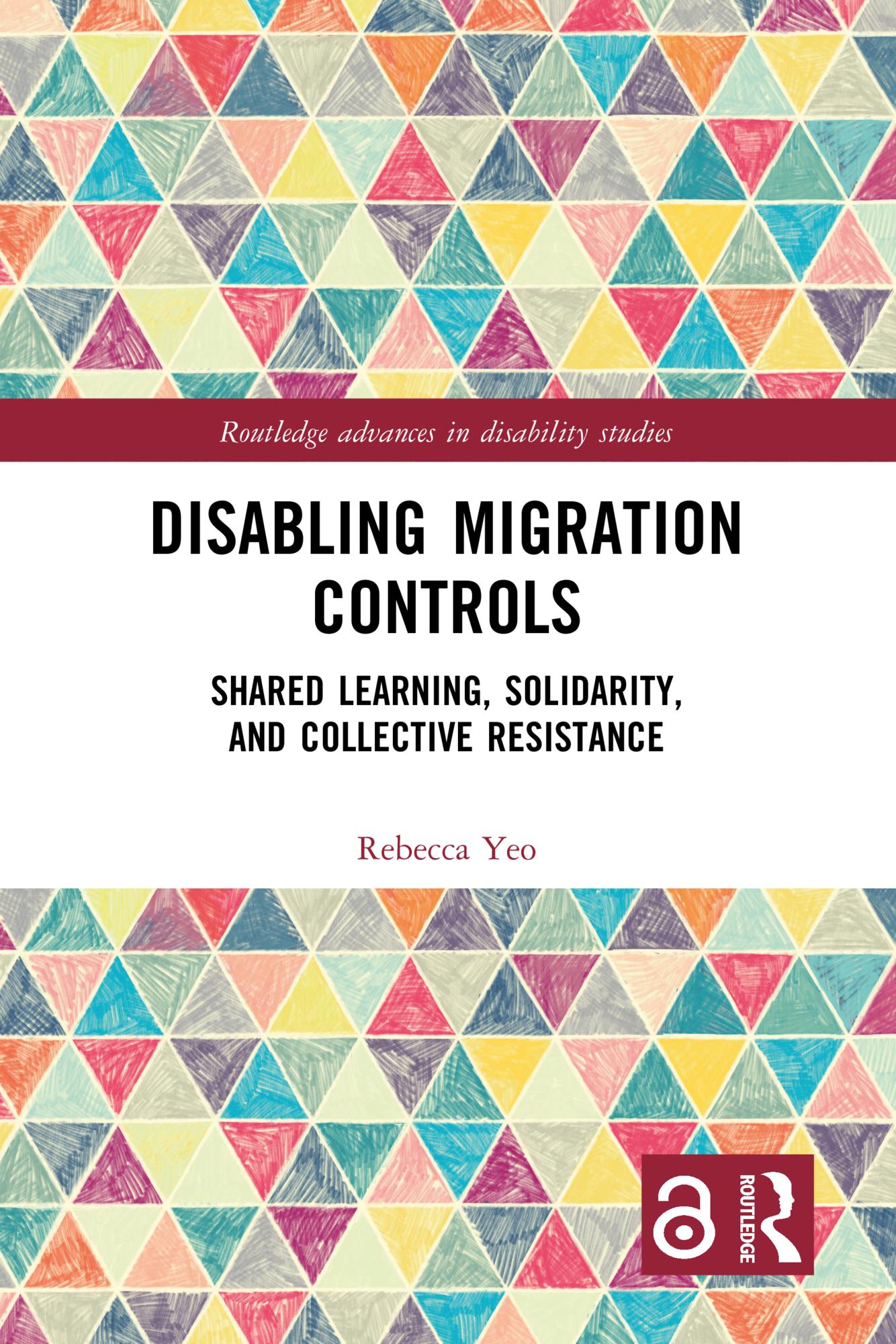
When people are prevented from meeting their needs, the impact is disabling, whether in the immigration system or in the wider population. Drawing on many years of research and activism, this book argues that insights from the disabled people’s movement, particularly the original Social Model of Disability, can be usefully extended to focus resistance on the disabling restrictions imposed on people subject to asylum and immigration controls.
While acknowledging the pain and discomfort of many impairments and of forced displacement, the book focuses on injustices that can be changed. It does not catalogue the hostility of the ‘hostile environment’. Nor does it promote inclusive asylum restrictions. An unjust system is not transformed by including disabled people. Policies designed to deprive people of essential needs and to stoke hatred among the wider population are core elements of the rise of fascism. In this context, bringing together movements for disability and migrant justice could help build urgently needed solidarity and resistance with which to develop a society based on equity and common humanity.
Quotations and images are used to convey the messages and priorities of disabled people seeking asylum, ensuring that the book is both engaging and grounded in the insights of lived experience. This book will interest people seeking to improve social justice, including scholars of disability, migration, sociology and politics.
Paga facilmente con carta, Klarna, Apple Pay o Google Pay. Non sei soddisfatto? Hai sempre 14 giorni per il rimborso. Leggi di più nei nostri termini. Per qualsiasi domanda, scrivici a hello@memmo.org.
Memmo rende lo studio più facile, ovunque tu sia nel mondo. Qui trovi i tuoi libri di testo e strumenti di studio intelligenti, tutto in un unico posto: riassunti, quiz, podcast e flashcard. E poi c'è Ted, il tuo compagno di studio che risponde a ogni tua domanda. Oltre 50.000 studenti studiano già qui: è stato creato per aiutarti a imparare più velocemente e a stressarti meno.