
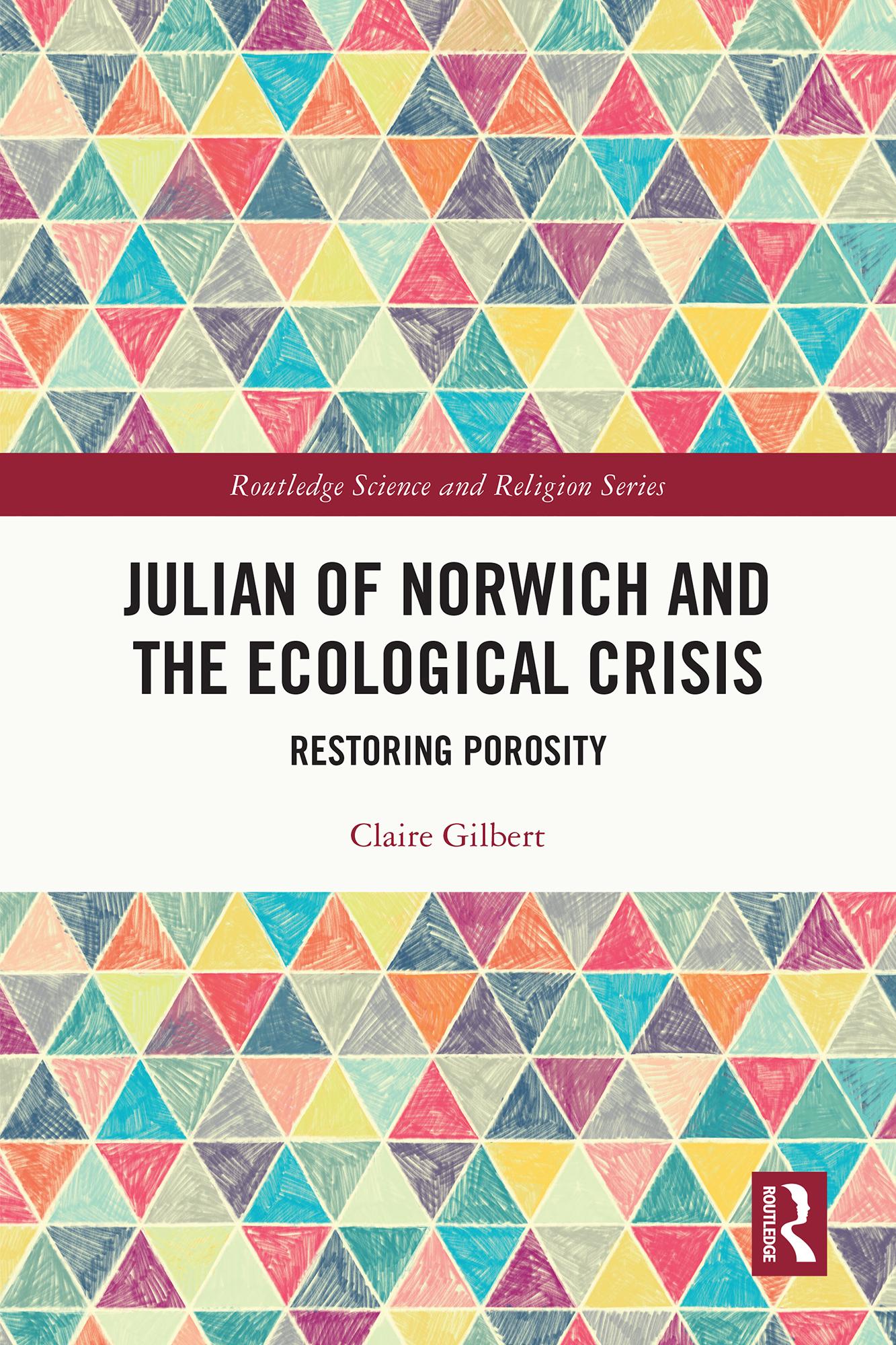
This book presents ecological insights drawn from a reading of Julian of Norwich, considering how effectively she can help us in our current plight. The argument is that to address the ecological crisis with the mindset that created it will only cause more problems, and that to really undo the harm humanity has done and continues to do will take a transformation of selfhood and hence of perception, from the Gestell, technological self that is the child of the Enlightenment to the porous self that we truly are, underneath our buffered, separated, controlling and lonely exterior. The author suggests Julian of Norwich’s text Revelations of Divine Love has the power to effect this transformation if we can learn to read it as disciples, not masters, just as Julian received and responded to her revelations as a performative, porous, receptive disciple. The chapters describe the technological mindset and its causal relationship with the ecological crisis, and articulate in detail how, if they are to transform us, we must read the Julian texts, taking first steps away from our technological selves as we do so. The book then takes significant passages from Julian and reads them in the performative, porous way that has been recommended. It will be of particular interest to scholars of theology and ecology, as well as medieval mysticism.
Paga facilmente con carta, Klarna, Apple Pay o Google Pay. Non sei soddisfatto? Hai sempre 14 giorni per il rimborso. Leggi di più nei nostri termini. Per qualsiasi domanda, scrivici a hello@memmo.org.
Memmo rende lo studio più facile, ovunque tu sia nel mondo. Qui trovi i tuoi libri di testo e strumenti di studio intelligenti, tutto in un unico posto: riassunti, quiz, podcast e flashcard. E poi c'è Ted, il tuo compagno di studio che risponde a ogni tua domanda. Oltre 50.000 studenti studiano già qui: è stato creato per aiutarti a imparare più velocemente e a stressarti meno.