
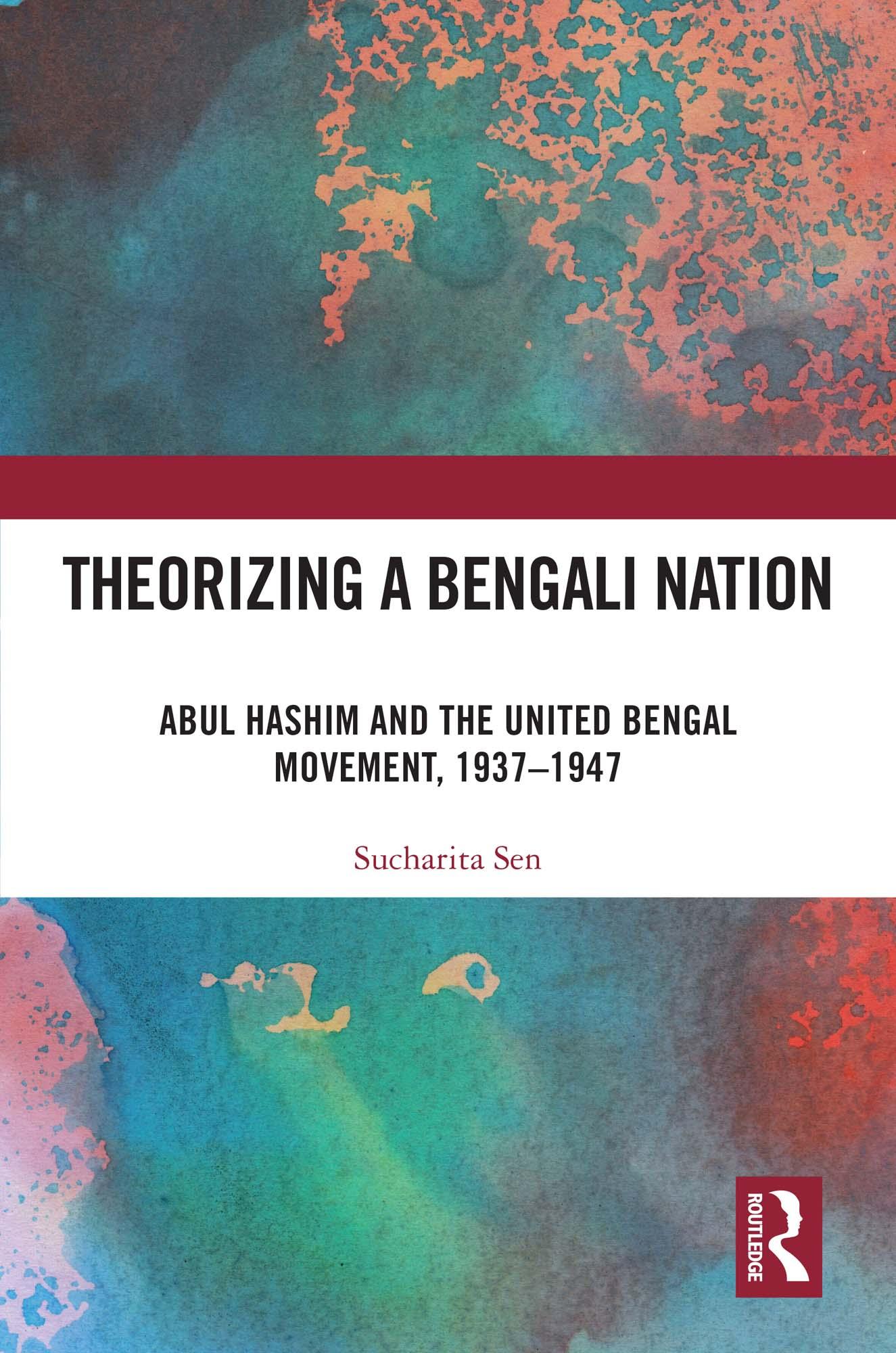
This book explores the philosophical and political roots of the United Bengal movement of 1947 that emerged as a final bid to keep the province united against Partition. Through Abul Hashim, one of its architects, it explores the idea of an independent Bengali nation in the years preceding Independence and examines the underlying tensions of the concept of a Muslim-led independent Bangalistaan and its repercussions on a sizeable Hindu minority. Focusing on Hashim’s writings and political contributions, this monograph highlights his vision of an aesthetic identity rooted within religious principles as well as civic ideals in a new united Bengal, where common law underwritten through religious ideals did not need to be necessarily opposed to western discourses of a modern state.
A major, new intervention, this book will be of great interest to scholars and researchers of modern Indian history, especially the Partition, politics, and South Asian studies.
Paga facilmente con carta, Klarna, Apple Pay o Google Pay. Non sei soddisfatto? Hai sempre 14 giorni per il rimborso. Leggi di più nei nostri termini. Per qualsiasi domanda, scrivici a hello@memmo.org.
Memmo rende lo studio più facile, ovunque tu sia nel mondo. Qui trovi i tuoi libri di testo e strumenti di studio intelligenti, tutto in un unico posto: riassunti, quiz, podcast e flashcard. E poi c'è Ted, il tuo compagno di studio che risponde a ogni tua domanda. Oltre 50.000 studenti studiano già qui: è stato creato per aiutarti a imparare più velocemente e a stressarti meno.