
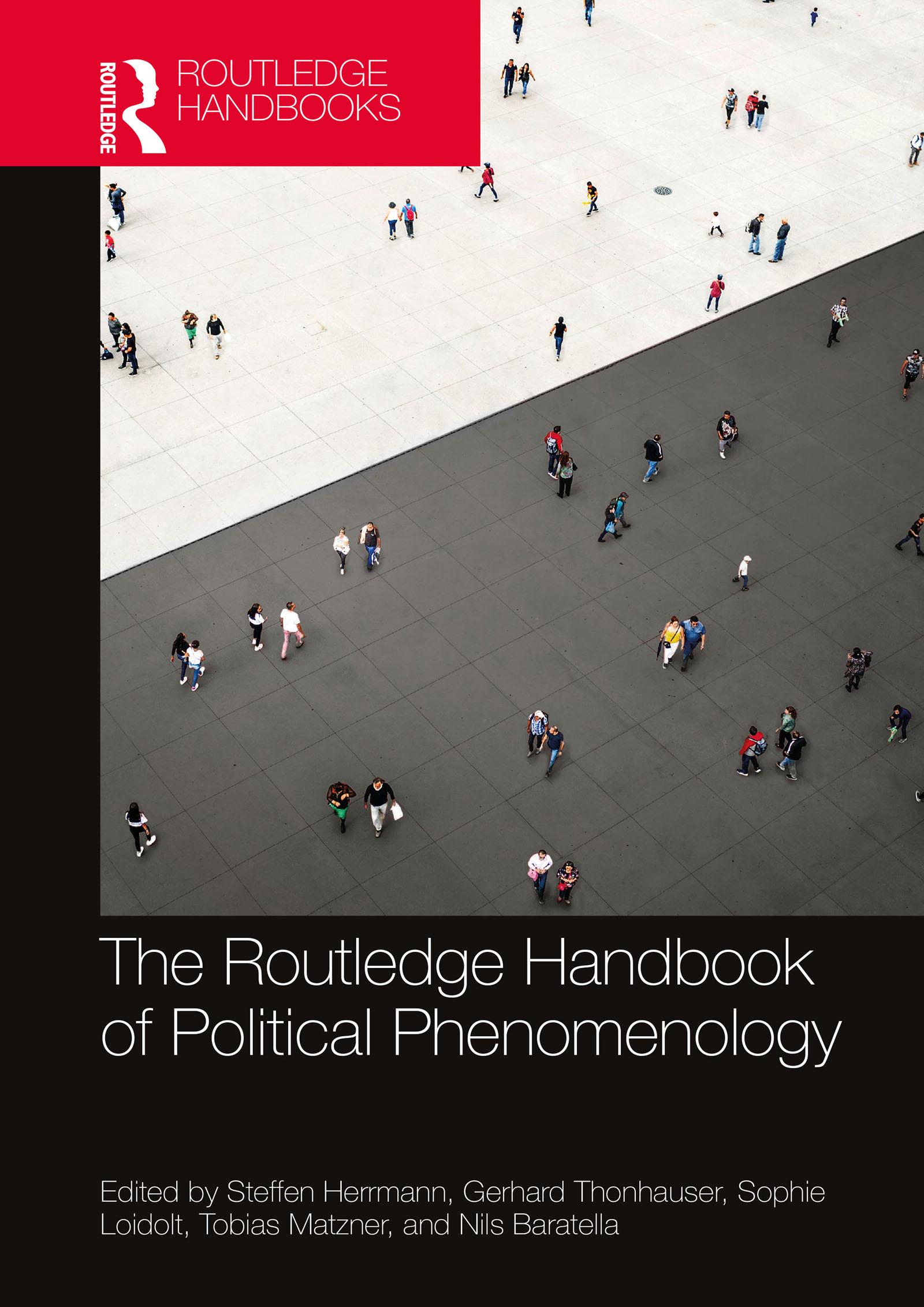
Phenomenology has primarily been concerned with conceptual questions about knowledge and ontology. However, in recent years, the rise of interest and research in applied phenomenology has seen the study of political phenomenology move to a central place in the study of phenomenology generally.
The Routledge Handbook of Political Phenomenology is the first major collection on this important topic. Comprising 35 chapters by an international team of expert contributors, the handbook is organized into six clear parts, each with its own introduction by the editors:
- Founders of Phenomenology
- Existentialist Phenomenology
- Phenomenology of the Social and Political World
- Phenomenology of Alterity
- Phenomenology in Debate
- Contemporary Developments.
Full attention is given to central figures in the phenomenological movement, including Husserl, Heidegger, Sartre, Merleau-Ponty, and Levinas, as well as those whose contribution to political phenomenology is more distinctive, such as Arendt, De Beauvoir, and Fanon. Also included are chapters on gender, race and intersectionality, disability, and technology.
Ideal for those studying phenomenology, continental philosophy, and political theory, The Routledge Handbook of Political Phenomenology bridges an important gap between a major philosophical movement and contemporary political issues and concepts.
Paga facilmente con carta, Klarna, Apple Pay o Google Pay. Non sei soddisfatto? Hai sempre 14 giorni per il rimborso. Leggi di più nei nostri termini. Per qualsiasi domanda, scrivici a hello@memmo.org.
Memmo rende lo studio più facile, ovunque tu sia nel mondo. Qui trovi i tuoi libri di testo e strumenti di studio intelligenti, tutto in un unico posto: riassunti, quiz, podcast e flashcard. E poi c'è Ted, il tuo compagno di studio che risponde a ogni tua domanda. Oltre 50.000 studenti studiano già qui: è stato creato per aiutarti a imparare più velocemente e a stressarti meno.