
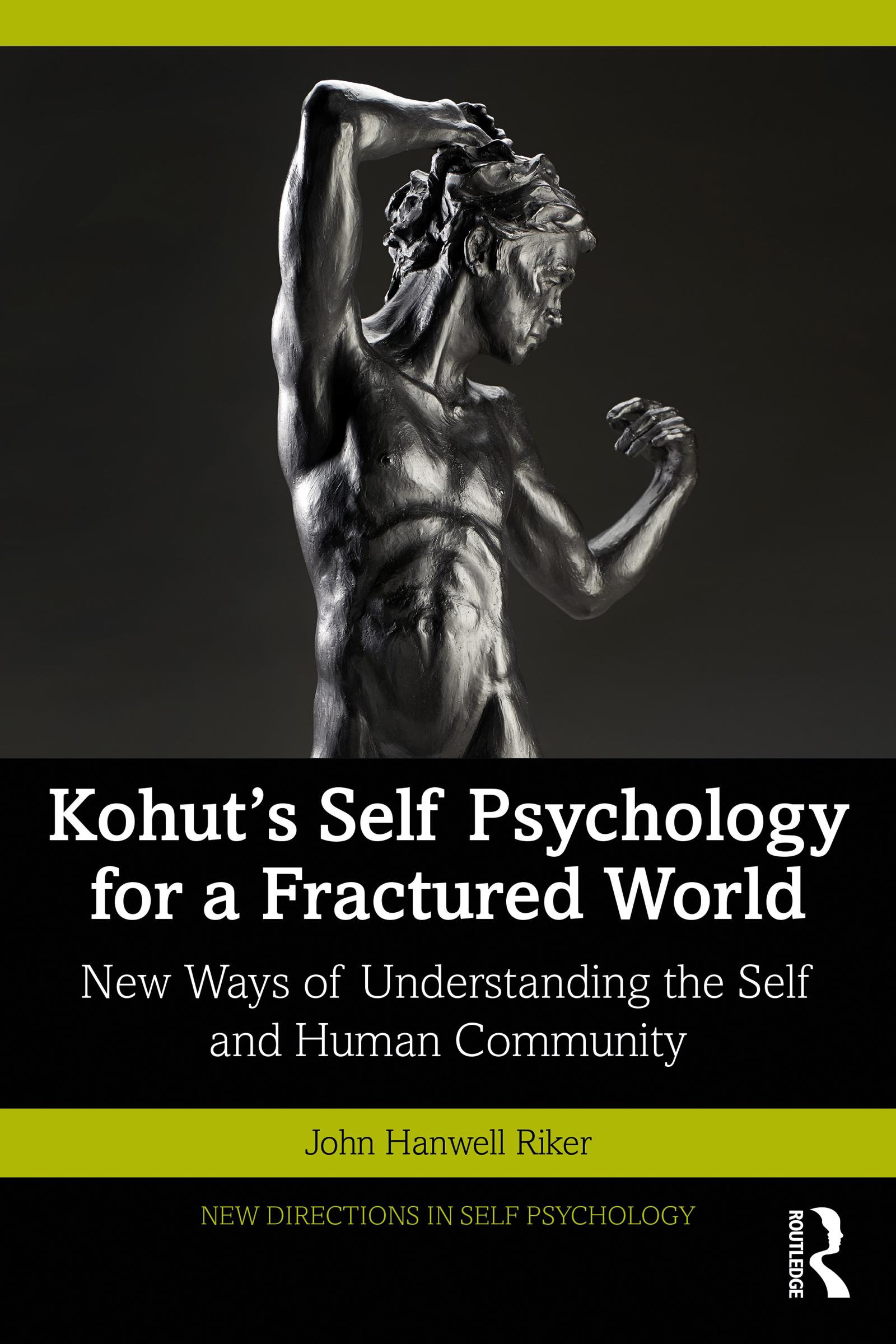
Drawing from Kohut's conceptualisation of self, Riker sets out how contemporary America's formulation of persons as autonomous, self-sufficient individuals is deeply injurious to the development of a vitalizing self-structure—a condition which lies behind much of the mental illness and social malaise of today's world.
By carefully attending to Kohut's texts, Riker explains the structural, functional, and dynamic dimensions of Kohut's concept of the self. He creatively extends this concept to show how the self can be conceived of as an erotic striving for connectedness, beauty, and harmony, separate from the ego. Riker uses this distinction to reveal how social practices of contemporary American society foster skills and traits to advance the aims of the ego for power and control, but tend to suppress the needs of the self to authentically express its ideals and connect with others. The book explores the impact that this view can have on clinical practice, and concludes by imaginatively constructing an ideal self-psychological society, using Plato's Republic as a touchstone.
Informed by self psychology and philosophy, this book is essential reading for psychoanalysts, psychotherapists and philosophers, seeking to revisit and revise constructions of both self and humanity.
Paga facilmente con carta, Klarna, Apple Pay o Google Pay. Non sei soddisfatto? Hai sempre 14 giorni per il rimborso. Leggi di più nei nostri termini. Per qualsiasi domanda, scrivici a hello@memmo.org.
Memmo rende lo studio più facile, ovunque tu sia nel mondo. Qui trovi i tuoi libri di testo e strumenti di studio intelligenti, tutto in un unico posto: riassunti, quiz, podcast e flashcard. E poi c'è Ted, il tuo compagno di studio che risponde a ogni tua domanda. Oltre 50.000 studenti studiano già qui: è stato creato per aiutarti a imparare più velocemente e a stressarti meno.