
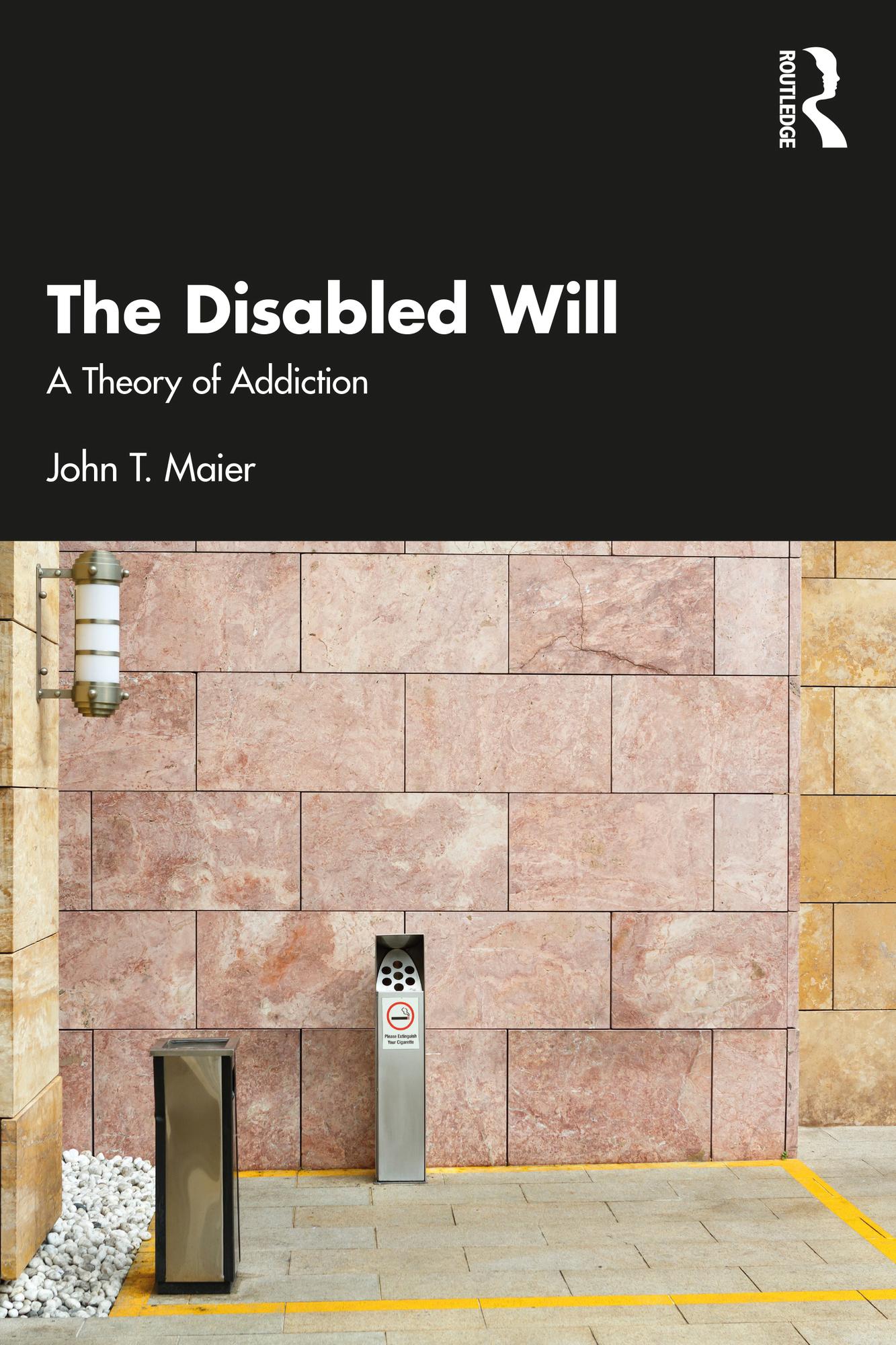
This book defends a comprehensive new vision of what addiction is and how people with addictions should be treated. The author argues that, in addition to physical and intellectual disabilities, there are volitional disabilities – disabilities of the will – and that addiction is best understood as a species of volitional disability.
This theory serves to illuminate long-standing philosophical and psychological perplexities about addiction and addictive motivation. It articulates a normative framework within which to understand prohibition, harm reduction, and other strategies that aim to address addiction. The argument of this book is that these should ultimately be evaluated in terms of reasonable accommodations for addicted people and that the priority of addiction policy should be the provision of such accommodations. What makes this book distinctive is that it understands addiction as a fundamentally political problem, an understanding that is suggested by standard legal approaches to addiction, but which has not received a sustained defense in the previous philosophical or psychological literature.
This text marks a significant advance in the theory of addiction, one which should reshape our understanding of addiction policy and its proper aims.
Paga facilmente con carta, Klarna, Apple Pay o Google Pay. Non sei soddisfatto? Hai sempre 14 giorni per il rimborso. Leggi di più nei nostri termini. Per qualsiasi domanda, scrivici a hello@memmo.org.
Memmo rende lo studio più facile, ovunque tu sia nel mondo. Qui trovi i tuoi libri di testo e strumenti di studio intelligenti, tutto in un unico posto: riassunti, quiz, podcast e flashcard. E poi c'è Ted, il tuo compagno di studio che risponde a ogni tua domanda. Oltre 50.000 studenti studiano già qui: è stato creato per aiutarti a imparare più velocemente e a stressarti meno.