
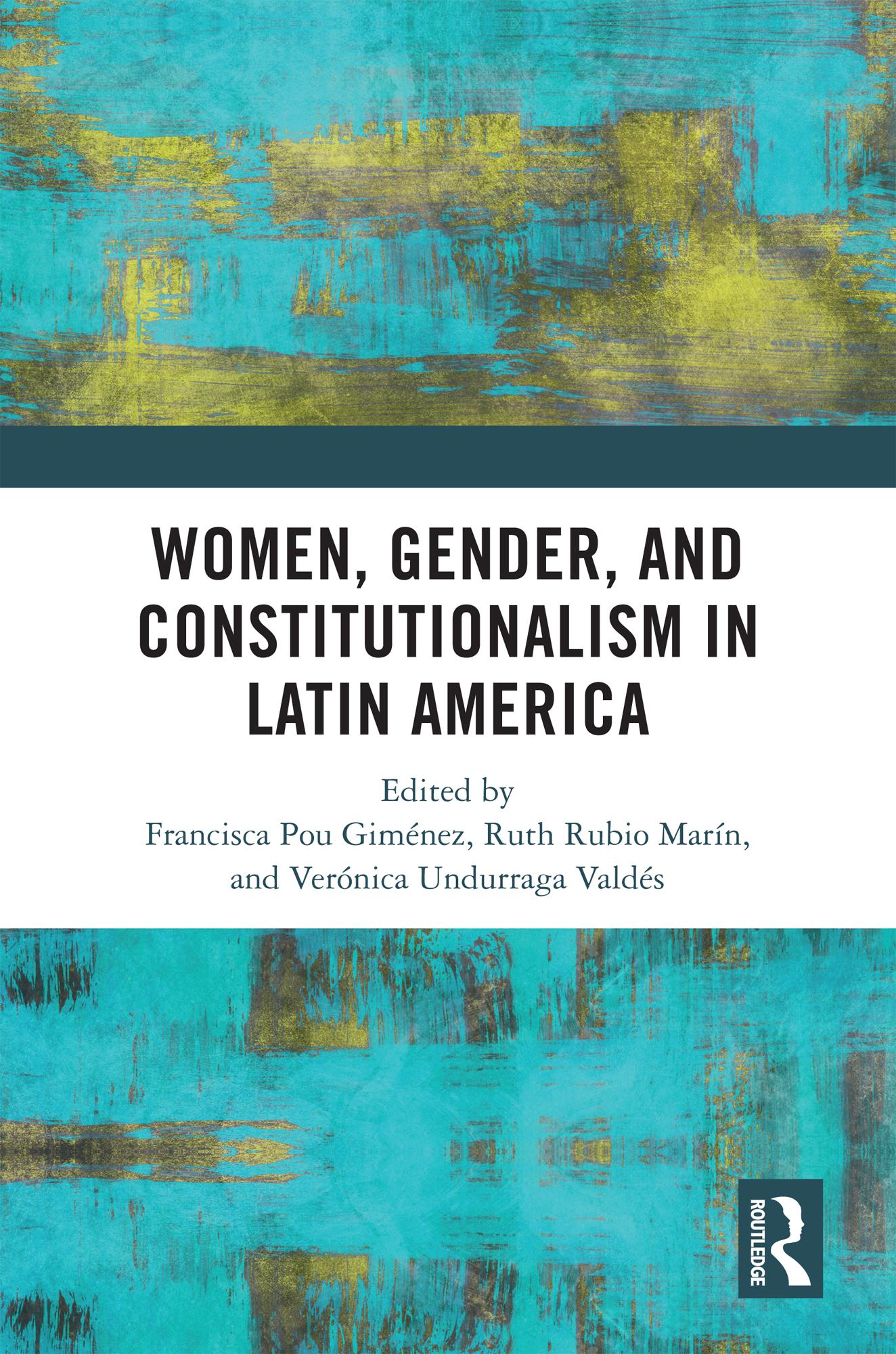
This book discusses to what extent and how constitutional design and practice in Latin America have helped in combatting the subordination of women and LGBTQIA+ people. Covering 11 jurisdictions, the chapters identify the main elements of the constitutional gender order and survey jurisprudential and legislative developments in different areas, incorporating contextual analysis and references to history, political dynamics, social movements, feminist struggles, normative efficacy, and policy.
In the context of a constitutionalism that has been celebrated as particularly innovative and socially engaged, the book assesses constitutional performance in the quest to supersede the separate gendered spheres tradition and the subordination of women and sexual minorities to heteronormative hegemony. It fills an important gap in the field of gender and constitutionalism, which has paid very little attention to Latin America compared to the Anglo-American legal world and continental Europe. It identifies regional trends, but also variables which account for the diversity of approaches in various jurisdictions.
The book provides much-needed insight into matters that are relevant for legal and socio-legal scholars, an ever-growing number of social actors and movements, and all those interested in comparative constitutionalism and in the intersections between law and gender.
Paga facilmente con carta, Klarna, Apple Pay o Google Pay. Non sei soddisfatto? Hai sempre 14 giorni per il rimborso. Leggi di più nei nostri termini. Per qualsiasi domanda, scrivici a hello@memmo.org.
Memmo rende lo studio più facile, ovunque tu sia nel mondo. Qui trovi i tuoi libri di testo e strumenti di studio intelligenti, tutto in un unico posto: riassunti, quiz, podcast e flashcard. E poi c'è Ted, il tuo compagno di studio che risponde a ogni tua domanda. Oltre 50.000 studenti studiano già qui: è stato creato per aiutarti a imparare più velocemente e a stressarti meno.