
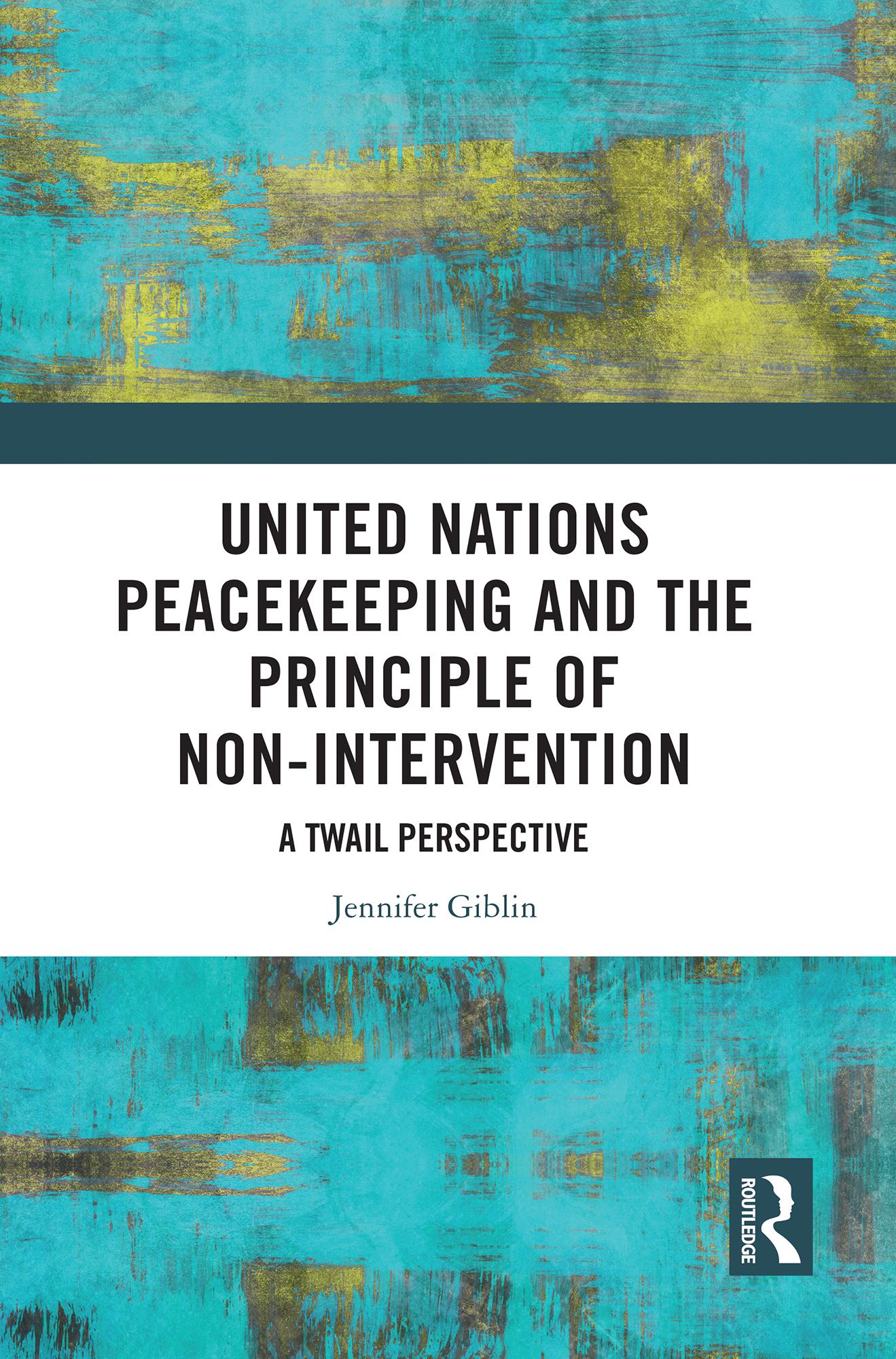
Using a unique application of Third World Approaches to International Law (TWAIL), this book provides a critical, interdisciplinary, examination of the contemporary practice of UN peacekeeping.
Is peacekeeping intervention? Since its conception in the mid-1950s, peacekeeping has significantly evolved from traditional, lightly armed, passive operations to robust, multi-dimensional stabilisation peacekeeping operations. This raises questions as to whether this is simply a natural evolution of peacekeeping or whether it marks an expansion of the concept beyond its boundaries, pushing it into the realm of peace enforcement or intervention. In response, this book examines the frameworks which govern UN peacekeeping and seeks to understand the relationship between peacekeeping and the principle of non-intervention. Providing practical examples from the United Nations’ operations in the Democratic Republic of the Congo and drawing upon interviews with key international actors including UN personnel, the book explores the boundaries of peacekeeping, contending that peacekeeping, at times, becomes a form of intervention. This, the book argues, is detrimental both to the concept of peacekeeping and to the host state, and it concludes by offering a series of recommendations to re-affirm peacekeeping’s boundaries and amplify the effectiveness of contemporary peacekeeping.
This book will be of interest to scholars and students in international law, international relations, politics, history and criminology.
Paga facilmente con carta, Klarna, Apple Pay o Google Pay. Non sei soddisfatto? Hai sempre 14 giorni per il rimborso. Leggi di più nei nostri termini. Per qualsiasi domanda, scrivici a hello@memmo.org.
Memmo rende lo studio più facile, ovunque tu sia nel mondo. Qui trovi i tuoi libri di testo e strumenti di studio intelligenti, tutto in un unico posto: riassunti, quiz, podcast e flashcard. E poi c'è Ted, il tuo compagno di studio che risponde a ogni tua domanda. Oltre 50.000 studenti studiano già qui: è stato creato per aiutarti a imparare più velocemente e a stressarti meno.