
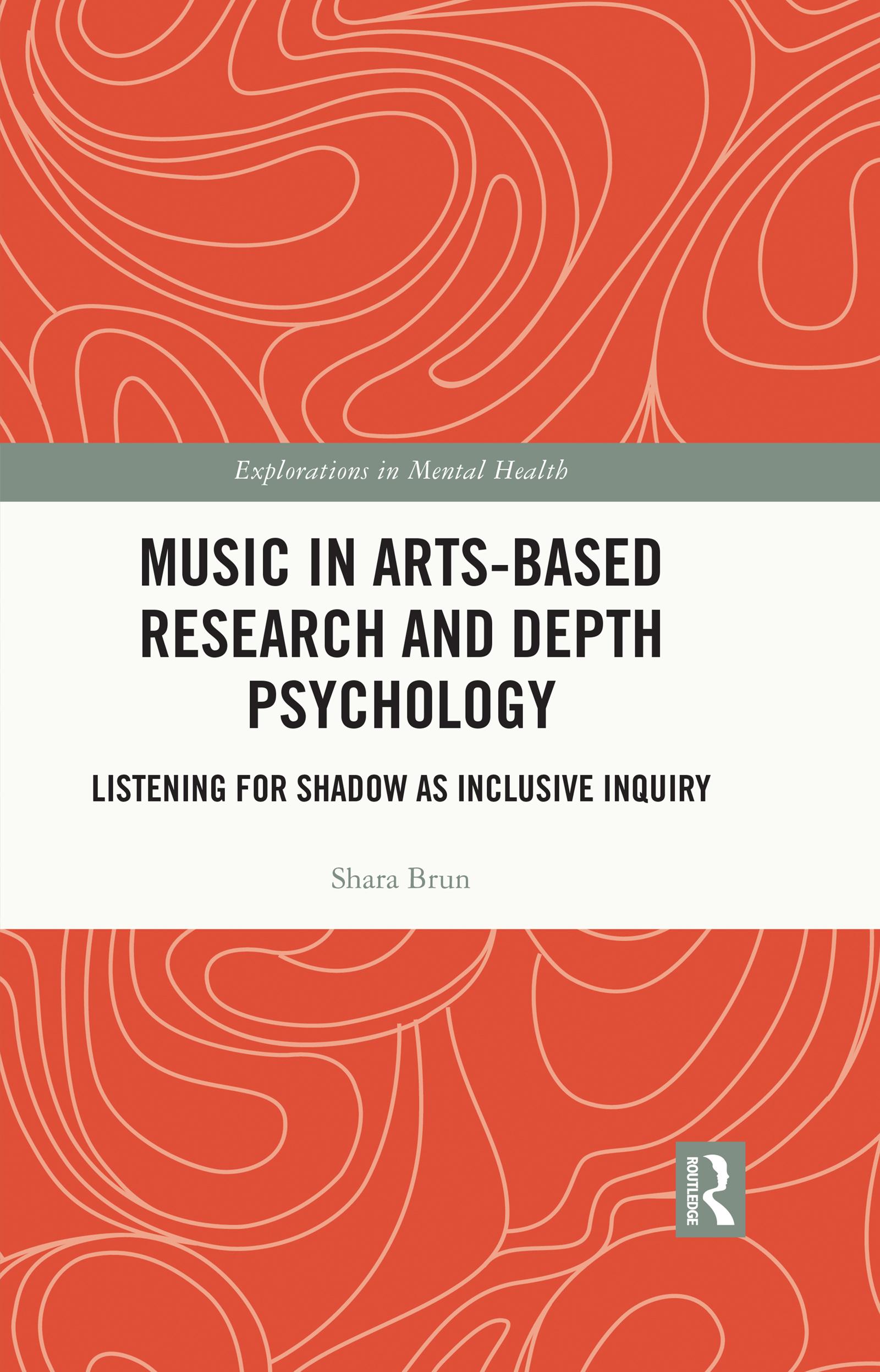
This book addresses an existing gap in academic arts-based research, whereby, rather than exploring music as an effective therapeutic intervention, it is explored as the central medium or tool of inquiry.
Integrating heuristic, hermeneutic, and arts-based grounded theory methodologies, the book conceptualizes and describes the practice of Sonic Stretching as an in-depth example of using sound as an effective and systematic research tool. Stemming from evidence-based insights, the book explores and explains ways in which music and sound can be utilized in arts-based research (ABR) in all disciplines, as opposed to only being used among professional musicians and those operating within music studies. It points to some of the obstacles that have previously prevented this from happening more broadly and, in doing so, aims to help bridge the conspicuous gap in ABR studies, where music and sonic imagination should be.
Offering a clear and well-presented example for integrating music and sound into processes of depth psychological inquiry and addressing the impact of colonialization upon embodied knowledge in music and academic research, it will appeal to scholars and researchers working at the intersection of psychology, music studies, education, social justice, and research methods.
Paga facilmente con carta, Klarna, Apple Pay o Google Pay. Non sei soddisfatto? Hai sempre 14 giorni per il rimborso. Leggi di più nei nostri termini. Per qualsiasi domanda, scrivici a hello@memmo.org.
Memmo rende lo studio più facile, ovunque tu sia nel mondo. Qui trovi i tuoi libri di testo e strumenti di studio intelligenti, tutto in un unico posto: riassunti, quiz, podcast e flashcard. E poi c'è Ted, il tuo compagno di studio che risponde a ogni tua domanda. Oltre 50.000 studenti studiano già qui: è stato creato per aiutarti a imparare più velocemente e a stressarti meno.