
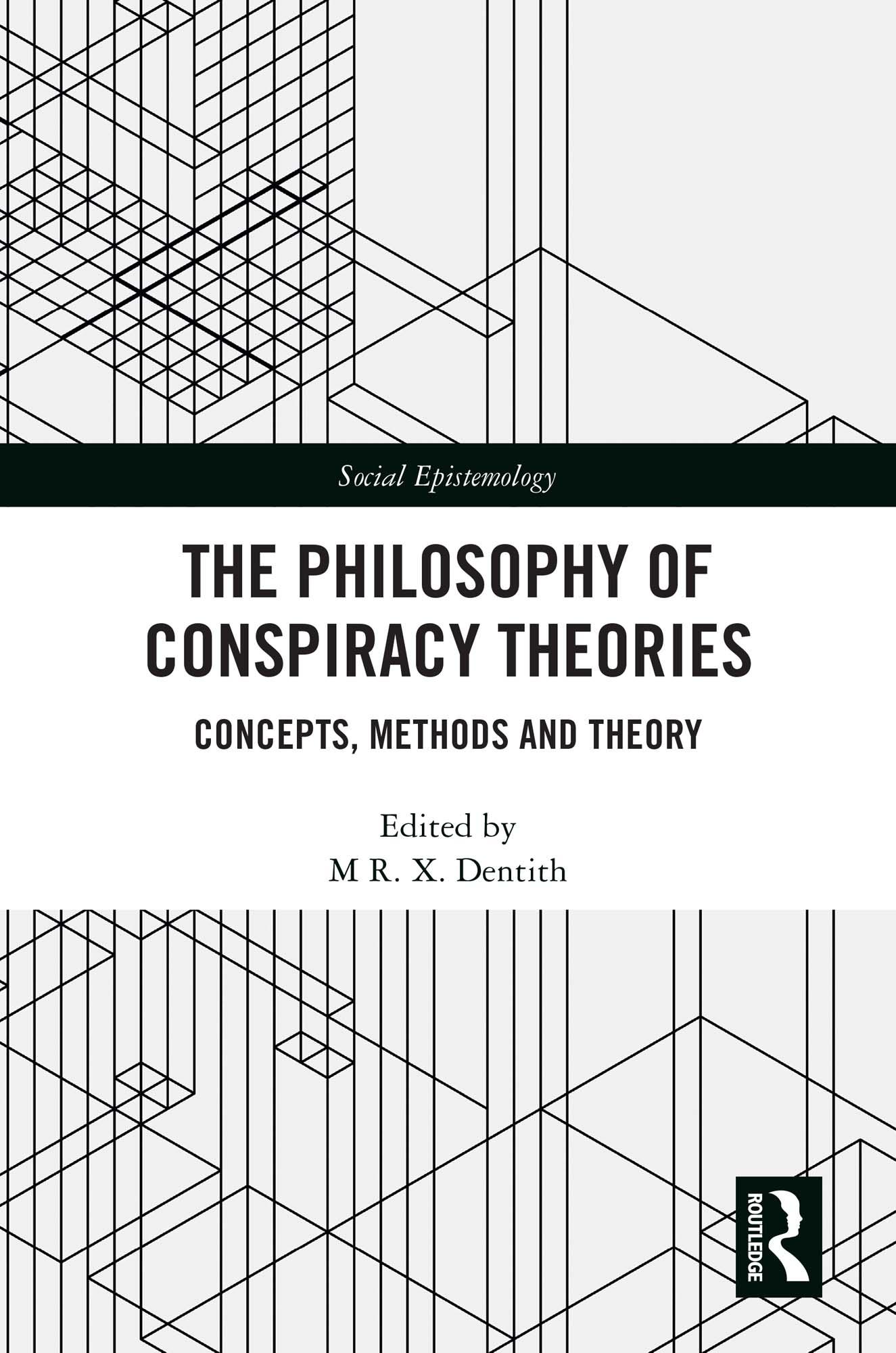
This book presents state of the art philosophical work on conspiracy theory research that brings in sharp focus on central and important insights concerning the supposed irrationality of conspiracy theory and conspiracy theory belief, while also proposing several novel solutions to long standing issues in the broader academic debate on these things called ‘conspiracy theories’.
It features a critical history of conspiracy theory theory, emphasising the role of the ‘first generation’ of philosophers in conspiracy theory research. This book also includes discussions of a range of key issues such as:
- What counts as conspiracy theory?
- Who counts as a conspiracy theorist?
- How are these terms variously understood by academics and the wider public, and
- Are conspiracy theories automatically suspect, and is it ever reasonable to be a conspiracy theorist?
The book then builds upon that work by looking at how people’s political views affect both the conspiracy theories they believe and their beliefs about conspiracy theories; how we might defend conspiracy theorising without endorsing mad, bad or dangerous conspiracy theories; and contains several proposals for unifying conspiracy theory research under one theoretical framework: particularism.
This volume will be a key resource for philosophers and social scientists interested in recent work on the philosophy of conspiracy theory theory and its implications for conspiracy theory research. It will also appeal to members of the public, who want to know what, if anything, is wrong with these things called “conspiracy theories”. It was originally published as a special issue of Social Epistemology.
Paga facilmente con carta, Klarna, Apple Pay o Google Pay. Non sei soddisfatto? Hai sempre 14 giorni per il rimborso. Leggi di più nei nostri termini. Per qualsiasi domanda, scrivici a hello@memmo.org.
Memmo rende lo studio più facile, ovunque tu sia nel mondo. Qui trovi i tuoi libri di testo e strumenti di studio intelligenti, tutto in un unico posto: riassunti, quiz, podcast e flashcard. E poi c'è Ted, il tuo compagno di studio che risponde a ogni tua domanda. Oltre 50.000 studenti studiano già qui: è stato creato per aiutarti a imparare più velocemente e a stressarti meno.