
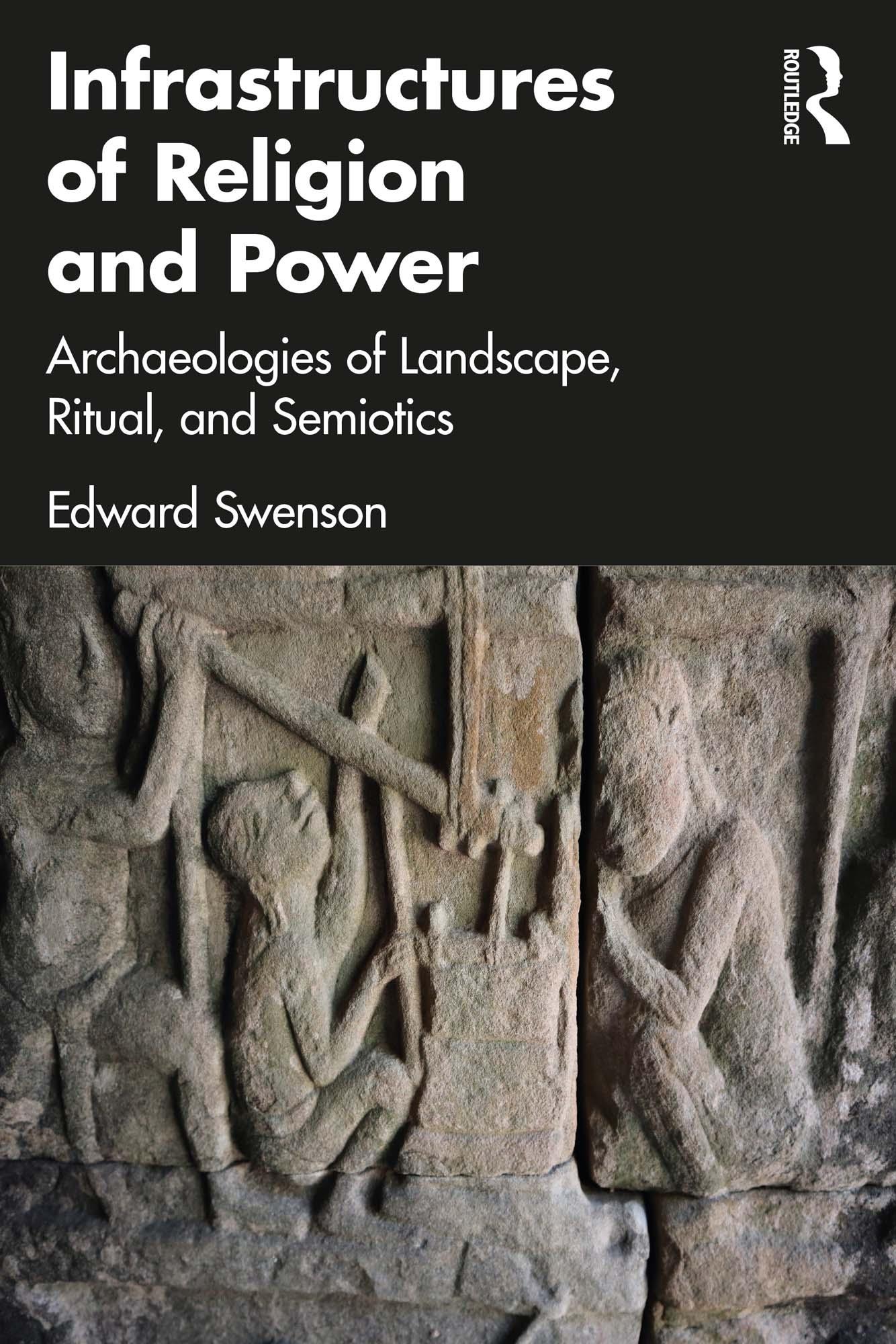
This book explores the central role of religion in place-making and infrastructural projects in ancient polities.
It presents a trilectic approach to archaeological study of religious landscapes that combines Indigenous philosophies with the spatial and semiotic thinking of Lefebvre, Peirce, and proponents of assemblage theories. Case studies from ancient Angkor and the Andes reveal how rituals of place-making activated processes of territorialization and semiosis fundamental to the experience of political worlds that shaped power relations in past societies. The perspectives developed in the book permit a reconstruction of how landscapes were variably conceived, perceived, and lived in the spirit of Henri Lefebvre, and how these registers may have aligned or clashed. In the end, the examination of built environments, infrastructures, and rituals staged within specialized buildings demonstrates how archaeologists can better infer past ontologies, cosmologies, ideologies of time and place, and historically specific political struggles.
The study will appeal to students and researchers interested in ritual, infrastructures, landscape, archaeological theory, political institutions, semiotics, human geography, and the civilizations of the ancient Andes and Angkor.
Paga facilmente con carta, Klarna, Apple Pay o Google Pay. Non sei soddisfatto? Hai sempre 14 giorni per il rimborso. Leggi di più nei nostri termini. Per qualsiasi domanda, scrivici a hello@memmo.org.
Memmo rende lo studio più facile, ovunque tu sia nel mondo. Qui trovi i tuoi libri di testo e strumenti di studio intelligenti, tutto in un unico posto: riassunti, quiz, podcast e flashcard. E poi c'è Ted, il tuo compagno di studio che risponde a ogni tua domanda. Oltre 50.000 studenti studiano già qui: è stato creato per aiutarti a imparare più velocemente e a stressarti meno.