
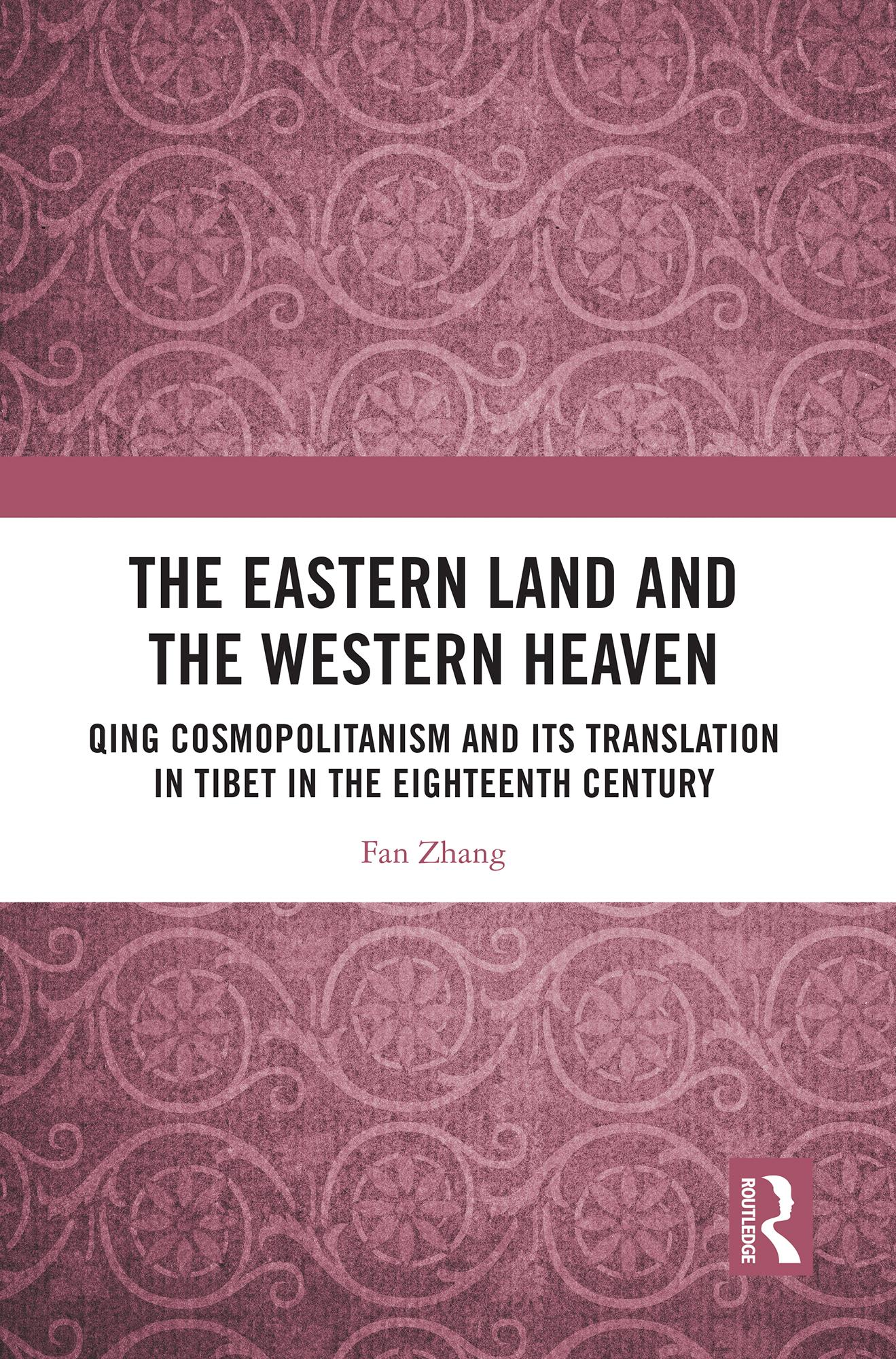
This book sheds light on the structure of “a unity with diversity” developed in the Qing imperial formation (1636–1912) by a case study of the Qing-Tibetan encounters in the eighteenth century.
By analyzing historical and ethnographical materials, the book investigates the translation of Chinese histories and stone inscriptions into Tibetan, the transformation of the landscapes at Mount Wutai and Lhasa, and the transplantation of Chinese deities and medical practices to Tibet. It demonstrates the processes in which the cosmopolitan interlocutors reified imperial integrity while expressing their diverse longings and belongings. It concludes that the Qing’s rule over its cultural others was neither simply Sinicizing nor colonizing, but a translational process in which multivocalic actors shared narratives, landscapes, and practices, while the emperor and tantric masters performed cosmic power over humans and metahumans.
This book cuts across the fields of anthropology, history, Chinese Studies, and Tibetan Studies. It reflects on the concepts of sovereignty and ethnicity, and it also extends the methodological horizon of historical anthropology.
Paga facilmente con carta, Klarna, Apple Pay o Google Pay. Non sei soddisfatto? Hai sempre 14 giorni per il rimborso. Leggi di più nei nostri termini. Per qualsiasi domanda, scrivici a hello@memmo.org.
Memmo rende lo studio più facile, ovunque tu sia nel mondo. Qui trovi i tuoi libri di testo e strumenti di studio intelligenti, tutto in un unico posto: riassunti, quiz, podcast e flashcard. E poi c'è Ted, il tuo compagno di studio che risponde a ogni tua domanda. Oltre 50.000 studenti studiano già qui: è stato creato per aiutarti a imparare più velocemente e a stressarti meno.