
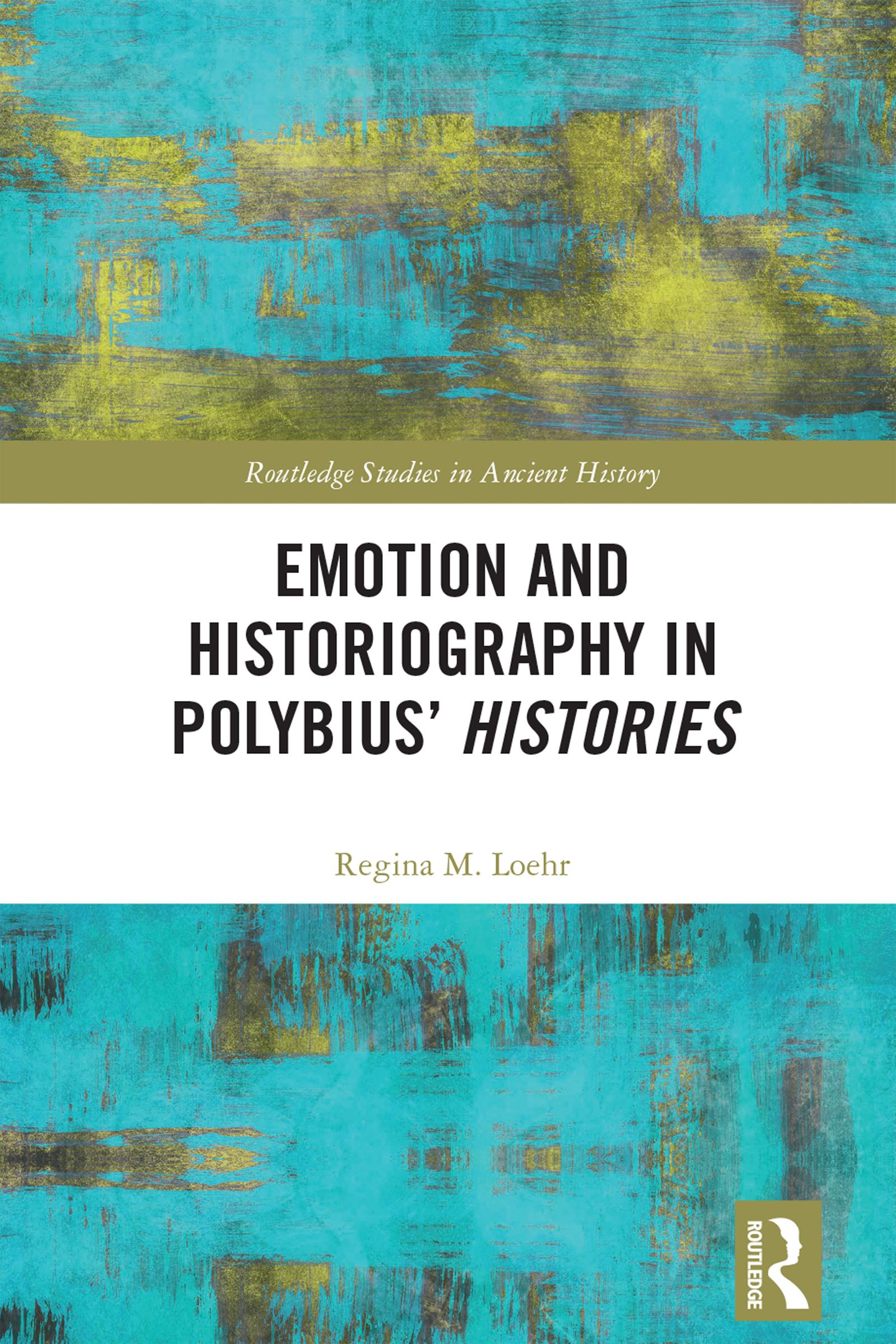
This volume explores emotion and its importance in Polybius’ conception of history, his writing of historiography, and the benefits of this understanding to readers of history.
How and why did ancient historians include emotions in their texts? This book argues that in the Histories of Polybius – the Greek historian who recorded Rome’s rise to dominion in the ancient Mediterranean – emotions play an effective role in history, used by the historian to explain the causes of actions, connect events, and make sense of human behavior. Through analysis of the emotions in the narrative and theory of Polybius’ Histories using critical terminology and frameworks from modern philosophy, psychology, and political science, this work calls into question assumptions that emotions were purely irrational and detrimental in ancient history, politics, and historiography. Emotions often positively shape Polybius’ historical narrative, provide criteria for the success and morality of agents, actions, and even historians, and aid the historian in guiding readers to become intelligent leaders and citizens of a new world centered on Rome.
Emotion and Historiography in Polybius’ Histories is a fascinating read for students and scholars of ancient historiography and history, as well as those working on ancient political thought, emotions in the ancient Greek world, and emotion in history and literature more broadly.
Paga facilmente con carta, Klarna, Apple Pay o Google Pay. Non sei soddisfatto? Hai sempre 14 giorni per il rimborso. Leggi di più nei nostri termini. Per qualsiasi domanda, scrivici a hello@memmo.org.
Memmo rende lo studio più facile, ovunque tu sia nel mondo. Qui trovi i tuoi libri di testo e strumenti di studio intelligenti, tutto in un unico posto: riassunti, quiz, podcast e flashcard. E poi c'è Ted, il tuo compagno di studio che risponde a ogni tua domanda. Oltre 50.000 studenti studiano già qui: è stato creato per aiutarti a imparare più velocemente e a stressarti meno.