
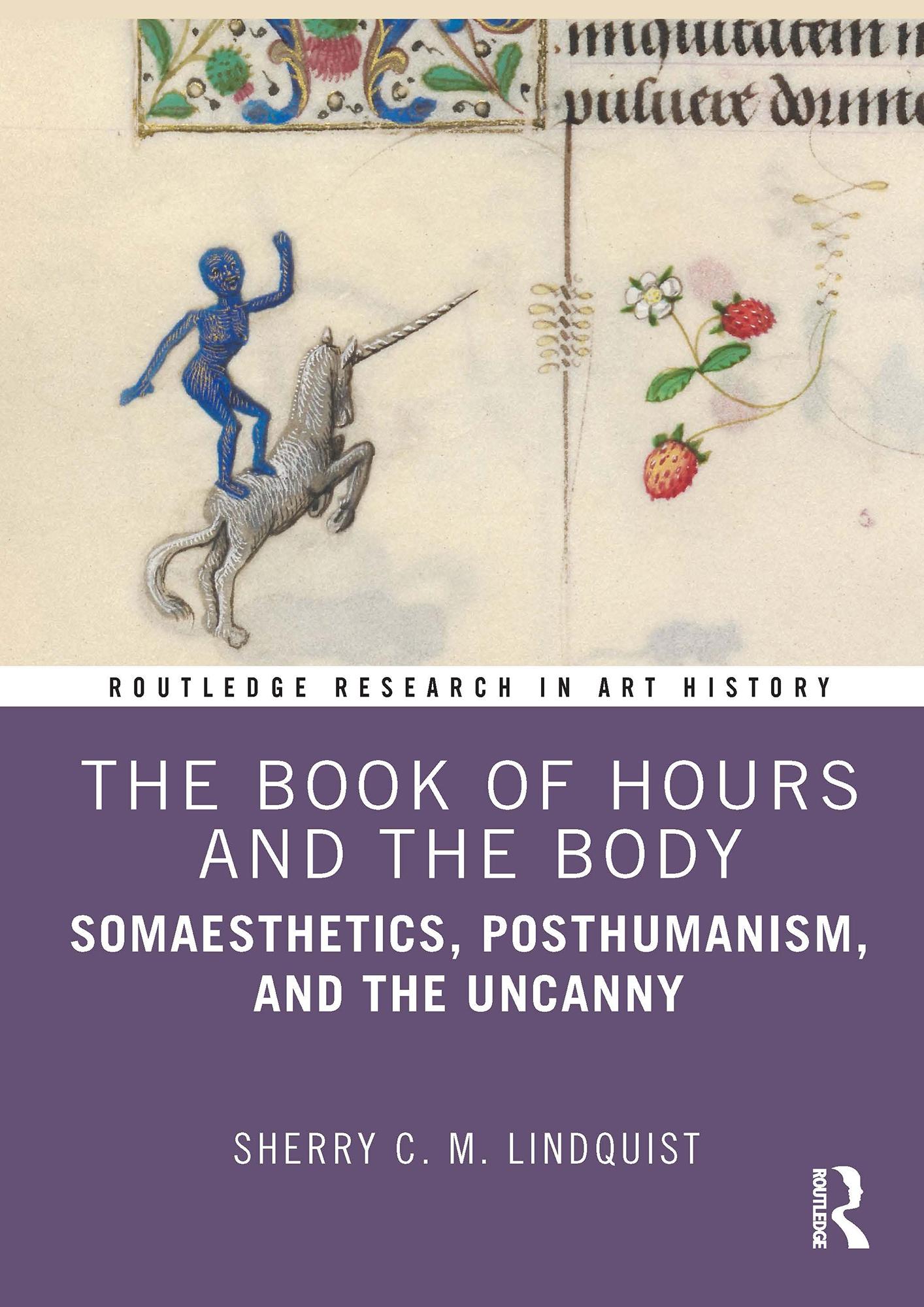
This book explores our corporeal connections to the past by considering what three theoretical approaches - somaesthetics, posthumanism, and the uncanny - may reveal about both premodern and postmodern terms of embodiment.
It takes as its point of departure a selection of fifteenth-century northern European Books of Hours - evocative objects designed at once to inscribe social status, to strengthen religious commitment, to entertain, to stimulate emotions, and to encourage discomfiting self-scrutiny. Studying their kaleidoscopically strange, moving, humorous, disturbing, and imaginative pages not only enables a window into relationships among bodies, images, and things in the past but also in our own internet era, where surprisingly popular memes drawn from such manuscripts constitute a part of our own visual culture.
In negotiating theoretical, post-theoretical, and historical concerns, this book aims to contribute to an emerging and much-needed intersectional social history of art. It will be of interest to scholars working in art history, medieval studies, Renaissance/early modern studies, gender studies, the history of the book, posthumanism, aesthetics, and the body.
Paga facilmente con carta, Klarna, Apple Pay o Google Pay. Non sei soddisfatto? Hai sempre 14 giorni per il rimborso. Leggi di più nei nostri termini. Per qualsiasi domanda, scrivici a hello@memmo.org.
Memmo rende lo studio più facile, ovunque tu sia nel mondo. Qui trovi i tuoi libri di testo e strumenti di studio intelligenti, tutto in un unico posto: riassunti, quiz, podcast e flashcard. E poi c'è Ted, il tuo compagno di studio che risponde a ogni tua domanda. Oltre 50.000 studenti studiano già qui: è stato creato per aiutarti a imparare più velocemente e a stressarti meno.