
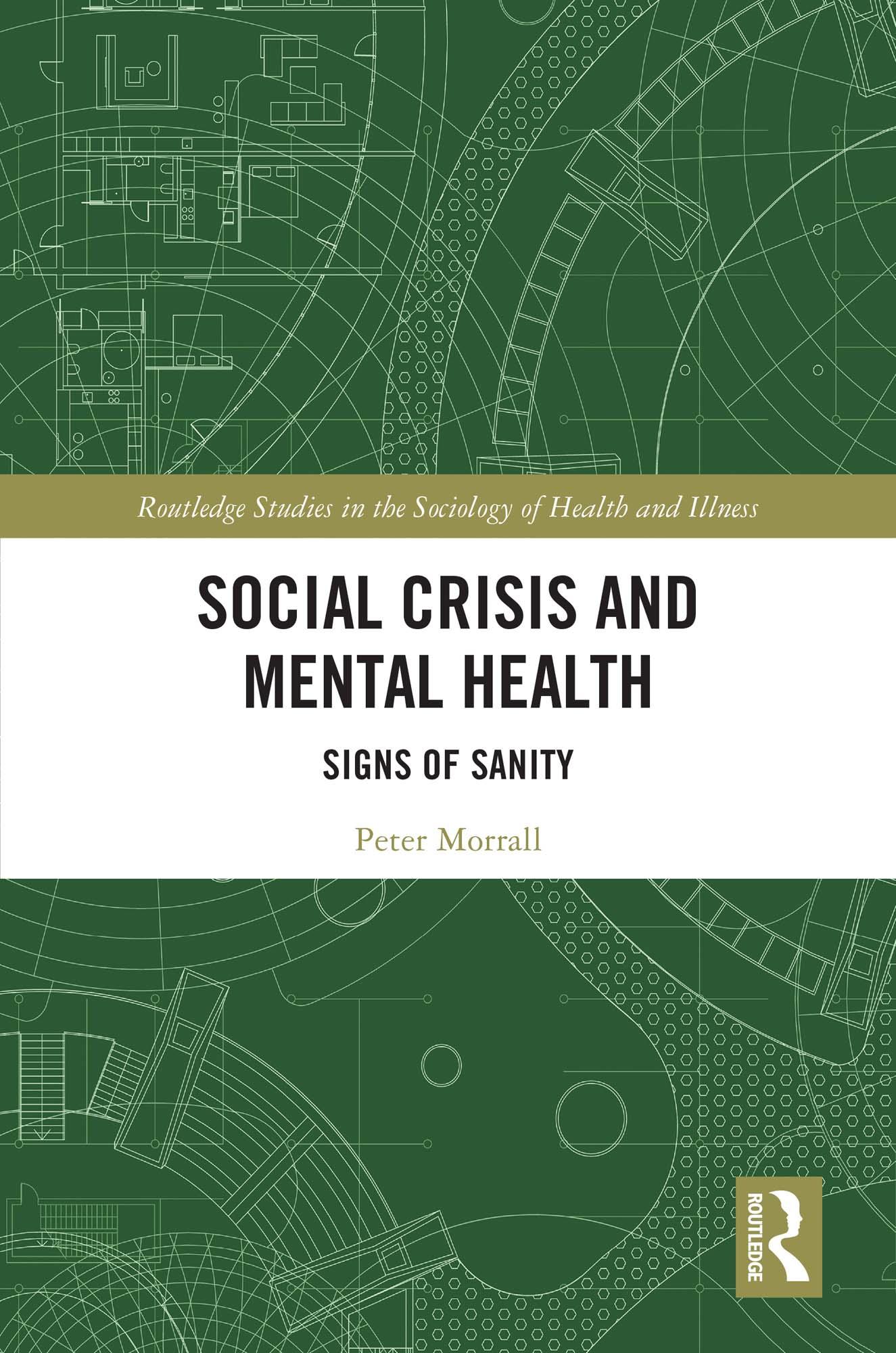
This book focuses on the paradoxical effect of social crises on mental health. When crises occur, there's an upsurge of mental suffering due to an intensification of such social insanities as violence, inequality, and insecurity. Paradoxically, there are positive consequences due to acts of kindness, cooperation, and the ability to cope and hope.
Two interconnected categories of social crises are covered in the book. These are as follows: contagions (for example, the COVID-19 pandemic, numerous outbreaks of plague and smallpox since medieval times, and the 1918 influenza pandemic); conflicts (including the Russian invasion of Ukraine, and aspects of world war such as the Holocaust, the use of nuclear bombs in the Second World War, and the climate emergency). What is also explored in the book is whether there is an amplification of everyday difficulties whereby having a ‘mental health problem’ has become normalised. The idea of ‘mental-healthism’ is introduced to explain the cultural shift towards this apparent normalisation of ordinary psychological suffering.
The book will be of interest to students, practitioners, and researchers from sociology, psychology, nursing, social work, and psychiatry, among others.
Paga facilmente con carta, Klarna, Apple Pay o Google Pay. Non sei soddisfatto? Hai sempre 14 giorni per il rimborso. Leggi di più nei nostri termini. Per qualsiasi domanda, scrivici a hello@memmo.org.
Memmo rende lo studio più facile, ovunque tu sia nel mondo. Qui trovi i tuoi libri di testo e strumenti di studio intelligenti, tutto in un unico posto: riassunti, quiz, podcast e flashcard. E poi c'è Ted, il tuo compagno di studio che risponde a ogni tua domanda. Oltre 50.000 studenti studiano già qui: è stato creato per aiutarti a imparare più velocemente e a stressarti meno.