
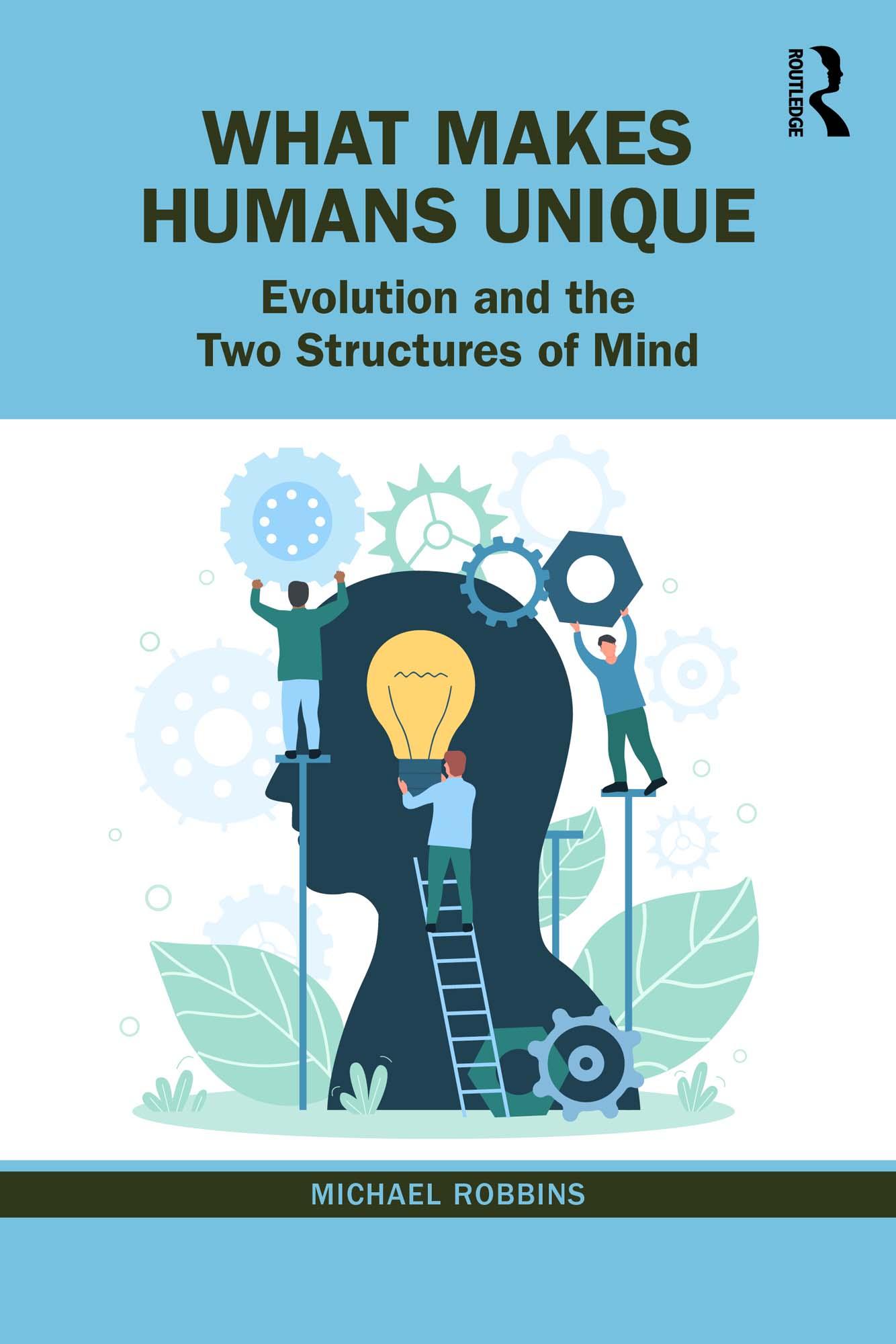
Through an integrated multi-disciplinary theory, Michael Robbins proposes that the human mind consists of two mental structures: the one we share with other animate creatures and a capacity for reflective representational thought which is unique.
As an alternative to Freud’s model of the human mind as structured by the id, ego, and superego, this book contends that the prolonged period of post-natal immaturity – otherwise known as neoteny – which is specific to humans, gives rise to reflective representational thought that in turn allows for the acquisition of complex knowledge. Robbins examines how Freud’s conception of the human mind was limited by his ignorance of the related disciplines of sociology, primatology, cultural anthropology, and most notably evolution, which were then in their infancy, to explore the implications of the non-unitary nature of the human mind for us as individuals, as a society, and for our future as a species.
Drawing on a broad range of influences from psychoanalysis to anthropology, biology, psychology, sociology, and politics, this book will be of interest to students and scholars of these disciplines alike.
Paga facilmente con carta, Klarna, Apple Pay o Google Pay. Non sei soddisfatto? Hai sempre 14 giorni per il rimborso. Leggi di più nei nostri termini. Per qualsiasi domanda, scrivici a hello@memmo.org.
Memmo rende lo studio più facile, ovunque tu sia nel mondo. Qui trovi i tuoi libri di testo e strumenti di studio intelligenti, tutto in un unico posto: riassunti, quiz, podcast e flashcard. E poi c'è Ted, il tuo compagno di studio che risponde a ogni tua domanda. Oltre 50.000 studenti studiano già qui: è stato creato per aiutarti a imparare più velocemente e a stressarti meno.