
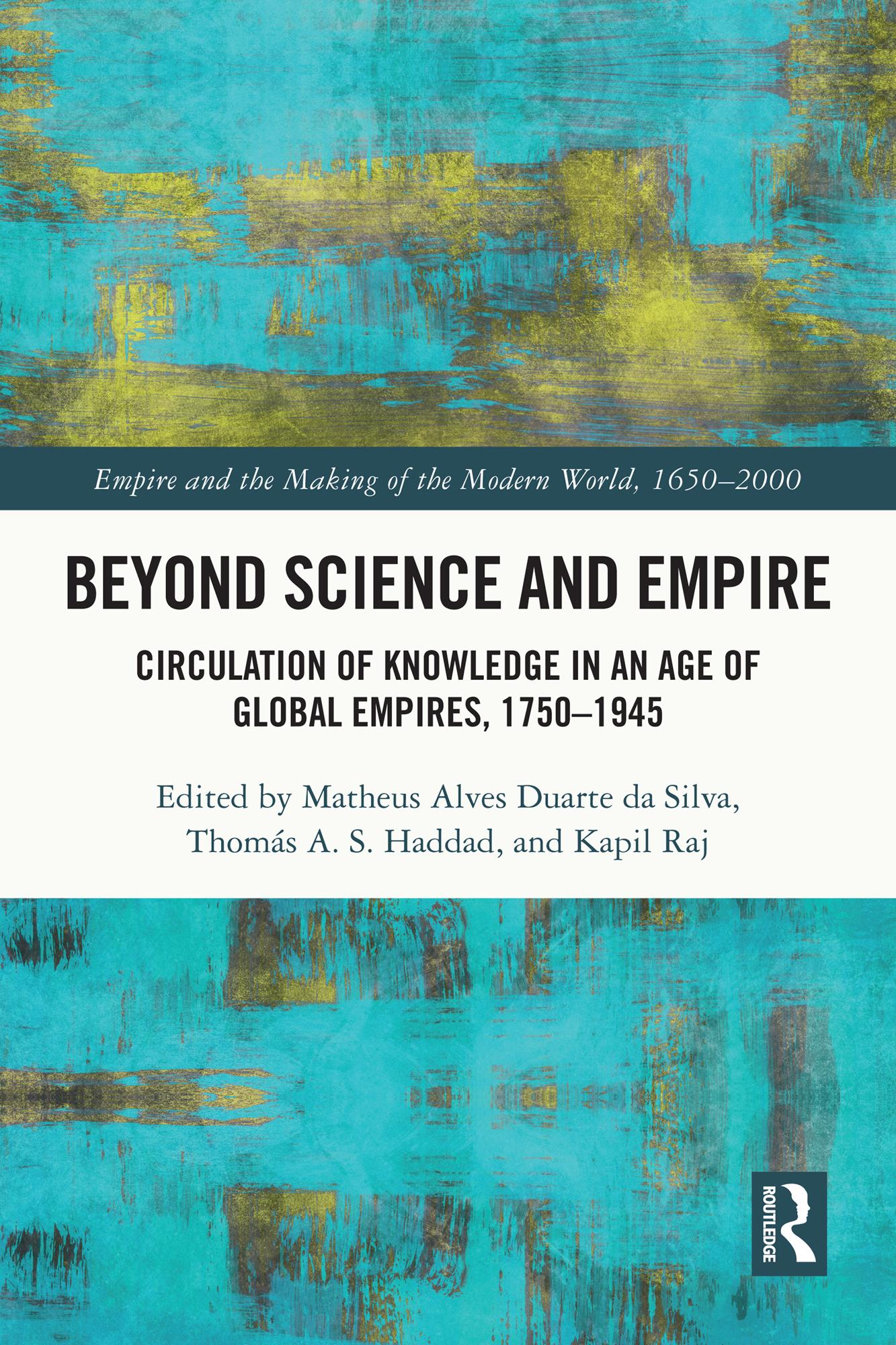
Through ten case studies by international specialists, this book investigates the circulation and production of scientific knowledge between 1750 and 1945 in the fields of agriculture, astronomy, botany, cartography, medicine, statistics, and zoology.
In this period, most of the world was under some form of imperial control, while science emerged as a discrete field of activity. What was the relationship between empire and science? Was science just an instrument for imperial domination? While such guiding questions place the book in the tradition of science and empire studies, it offers a fresh perspective in dialogue with global history and circulatory approaches. The book demonstrates, not by theoretical discourse but through detailed historical case studies, that the adoption of a global scale of analysis or an emphasis on circulatory processes does not entail analytical vagueness, diffusionism in disguise, or complacency with imperialism. The chapters show scientific knowledge emerging from the actions of little-known individuals moving across several Empires—European, Asian, and South American alike—in unanticipated places and institutions, and through complex processes of exchange, competition, collaboration, and circulation of knowledge.
The book will interest scholars and undergraduate and graduate students concerned with the connections between the history of science, imperial history, and global history.
Paga facilmente con carta, Klarna, Apple Pay o Google Pay. Non sei soddisfatto? Hai sempre 14 giorni per il rimborso. Leggi di più nei nostri termini. Per qualsiasi domanda, scrivici a hello@memmo.org.
Memmo rende lo studio più facile, ovunque tu sia nel mondo. Qui trovi i tuoi libri di testo e strumenti di studio intelligenti, tutto in un unico posto: riassunti, quiz, podcast e flashcard. E poi c'è Ted, il tuo compagno di studio che risponde a ogni tua domanda. Oltre 50.000 studenti studiano già qui: è stato creato per aiutarti a imparare più velocemente e a stressarti meno.