
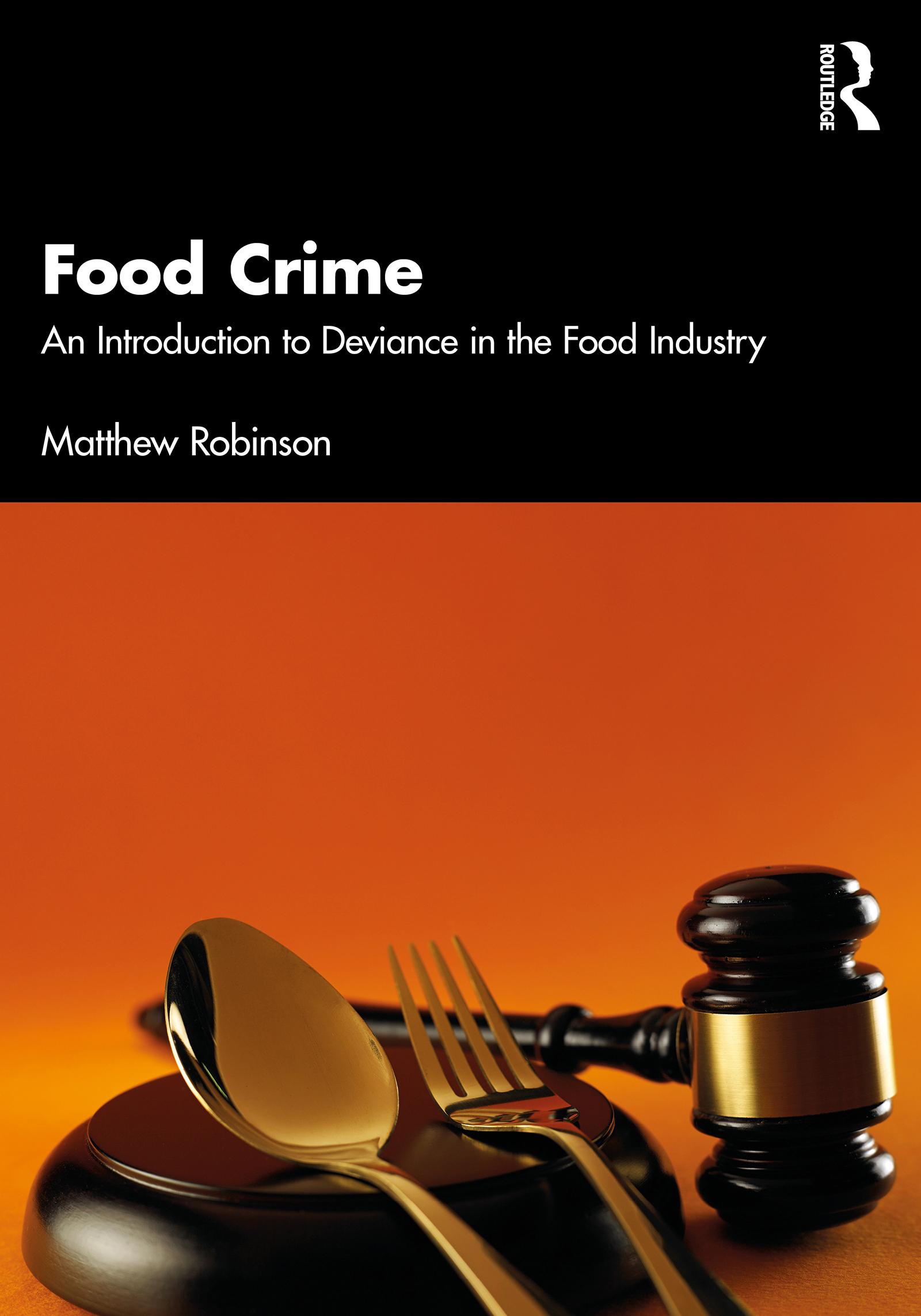
This book addresses the various forms of deviance and criminality found within the conventional food system. This system—made up of numerous producers, processors, distributors, and retailers of food—has significant, far-reaching consequences bearing upon the environment and society.
Food Crime broadly outlines the processes and impacts of this food system most relevant for the academic discipline of criminology, with a focus on the negative health outcomes of the US diet (e.g., obesity and diabetes) and negative outcomes associated with the system itself (e.g., environmental degradation). The author introduces the concept of "food criminology," a new branch of criminology dedicated to the study of deviance in the food industry. Demonstrating the deviance and criminality involved in many parts of the conventional food system, this book is the first to provide exhaustive coverage of the major issues related to what can be considered food crime. Embedded in the context of state-corporate criminality, the concepts and practices exposed in this book bring attention to harms associated with the conventional food system and illustrate the degree of culpability of food companies and government agencies for these harms.
This book is of interest to students, scholars, and practitioners seeking a more just and healthy food system and encourages further future research into food crimes in the disciplines of criminology, criminal justice, and sociology.
Paga facilmente con carta, Klarna, Apple Pay o Google Pay. Non sei soddisfatto? Hai sempre 14 giorni per il rimborso. Leggi di più nei nostri termini. Per qualsiasi domanda, scrivici a hello@memmo.org.
Memmo rende lo studio più facile, ovunque tu sia nel mondo. Qui trovi i tuoi libri di testo e strumenti di studio intelligenti, tutto in un unico posto: riassunti, quiz, podcast e flashcard. E poi c'è Ted, il tuo compagno di studio che risponde a ogni tua domanda. Oltre 50.000 studenti studiano già qui: è stato creato per aiutarti a imparare più velocemente e a stressarti meno.