
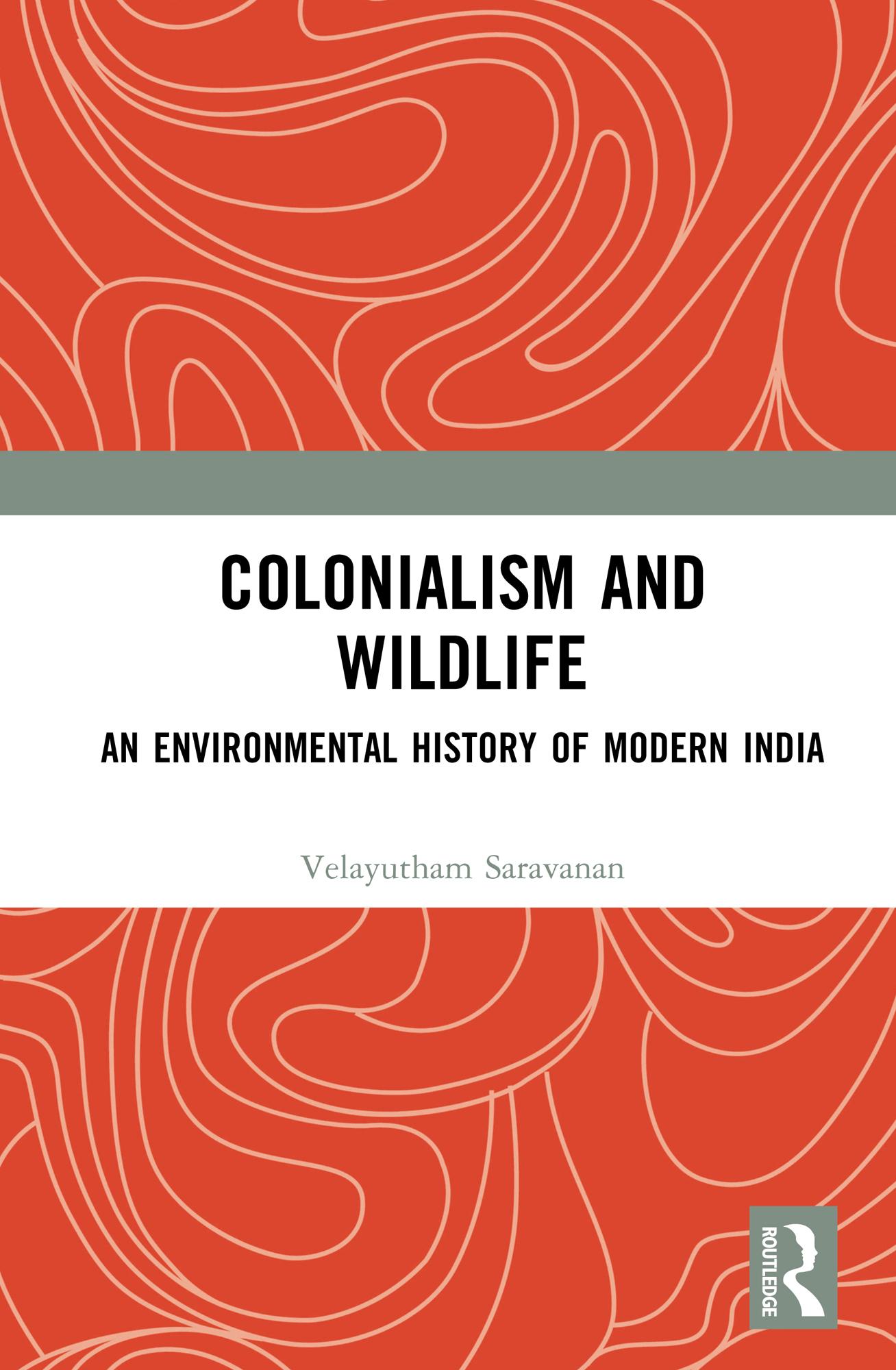
This book delves into the history of the commercialization of wildlife in India. It examines the colonial strategies that were employed in the commodification of wildlife resources specifically for lucrative domestic and international trade during the early nineteenth to the mid-twentieth century. It looks at how and why the colonial administration paid special emphasis on hunting and game sports which largely contributed to commodity capitalism in the form of taxidermy and wildlife exports. The author also critically analyses the wildlife laws and regulations promulgated by the colonial administration, such as the elephant protection act, birds and fisheries act, the forest acts, and studies how they have systematically brought wildlife under state control with a commercial motive.
An important contribution to the environmental history of India, this book is an essential interdisciplinary resource for scholars and researchers of history, colonialism, wildlife studies, economic history, ecological studies, environmental history, Indian history, South Asian studies, and development studies.
Paga facilmente con carta, Klarna, Apple Pay o Google Pay. Non sei soddisfatto? Hai sempre 14 giorni per il rimborso. Leggi di più nei nostri termini. Per qualsiasi domanda, scrivici a hello@memmo.org.
Memmo rende lo studio più facile, ovunque tu sia nel mondo. Qui trovi i tuoi libri di testo e strumenti di studio intelligenti, tutto in un unico posto: riassunti, quiz, podcast e flashcard. E poi c'è Ted, il tuo compagno di studio che risponde a ogni tua domanda. Oltre 50.000 studenti studiano già qui: è stato creato per aiutarti a imparare più velocemente e a stressarti meno.