
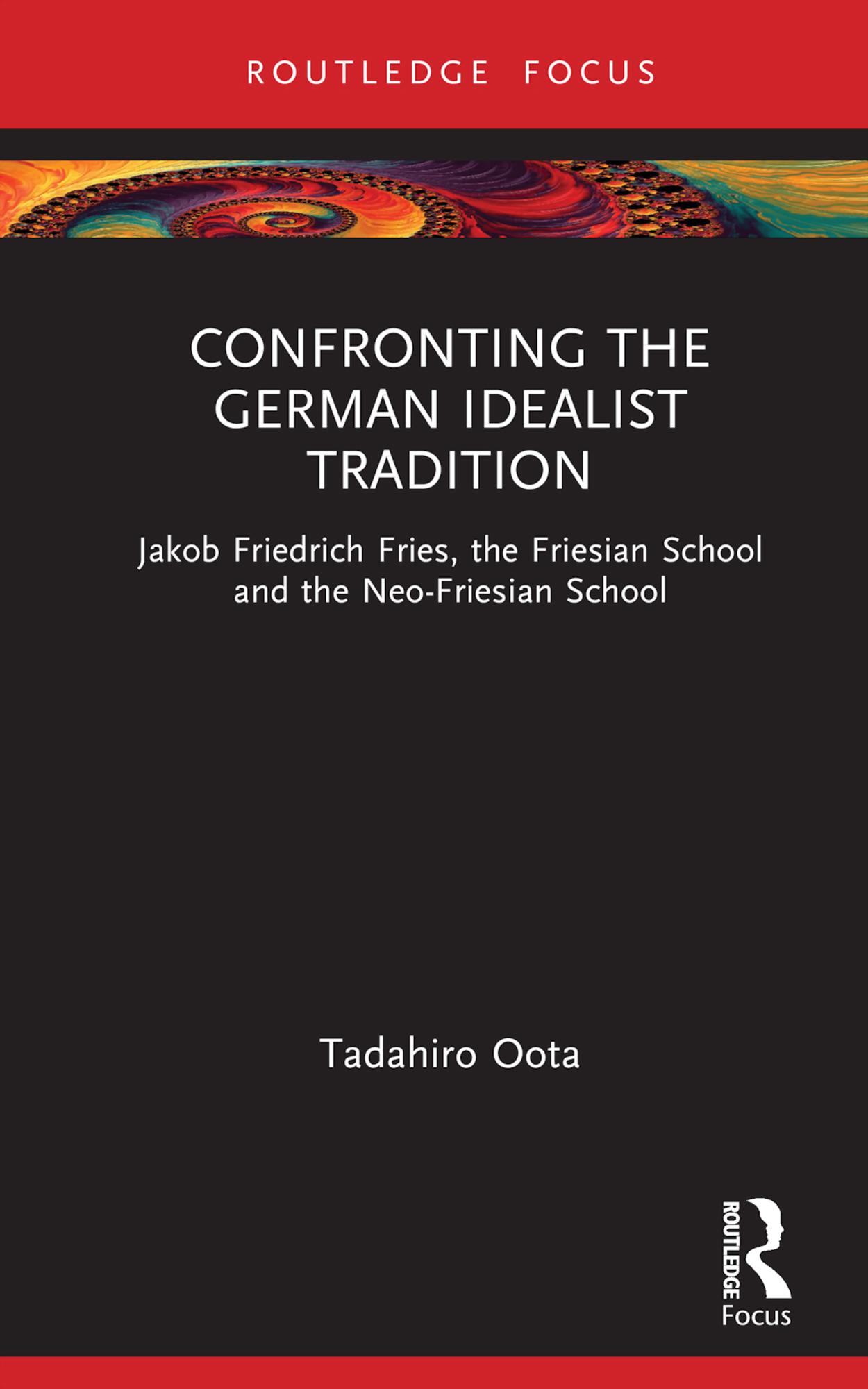
The philosophical activity of modern Germany represents a peak in the history of philosophy beginning from Thales in ancient Greece. This book attempts to reconsider the conventional image of 19th-century German philosophy. To this end, it illuminates a forgotten philosophical stream contemporaneous with so-called "German idealism."
From this perspective, this book examines the philosophy of Jakob Friedrich Fries, a philosopher contemporaneous and in confrontation with Hegel. By examining Fries’ standpoint, the book attempts to reconstruct the picture of 19th-century German philosophy. In the 19th and 20th centuries, philosophers other than Kant, Fichte, Schelling, and Hegel – especially Fries – had a significant influence on the history of philosophy, constituting an alternative genealogy to Hegel’s. One might say that the conventional history of philosophy conceals Fries’ influence. Accordingly, this book will examine Fries’ philosophy, the Friesian school established by E.F. Apelt, and the Neo-Friesian school formed by Leonard Nelson.
This approach reveals the factiousness of the history of philosophy that starts from Kant, passes through German idealism and flows into the Neo-Kantian movement. It will provide a new viewpoint from which to reconsider the history of German philosophy.
Paga facilmente con carta, Klarna, Apple Pay o Google Pay. Non sei soddisfatto? Hai sempre 14 giorni per il rimborso. Leggi di più nei nostri termini. Per qualsiasi domanda, scrivici a hello@memmo.org.
Memmo rende lo studio più facile, ovunque tu sia nel mondo. Qui trovi i tuoi libri di testo e strumenti di studio intelligenti, tutto in un unico posto: riassunti, quiz, podcast e flashcard. E poi c'è Ted, il tuo compagno di studio che risponde a ogni tua domanda. Oltre 50.000 studenti studiano già qui: è stato creato per aiutarti a imparare più velocemente e a stressarti meno.