
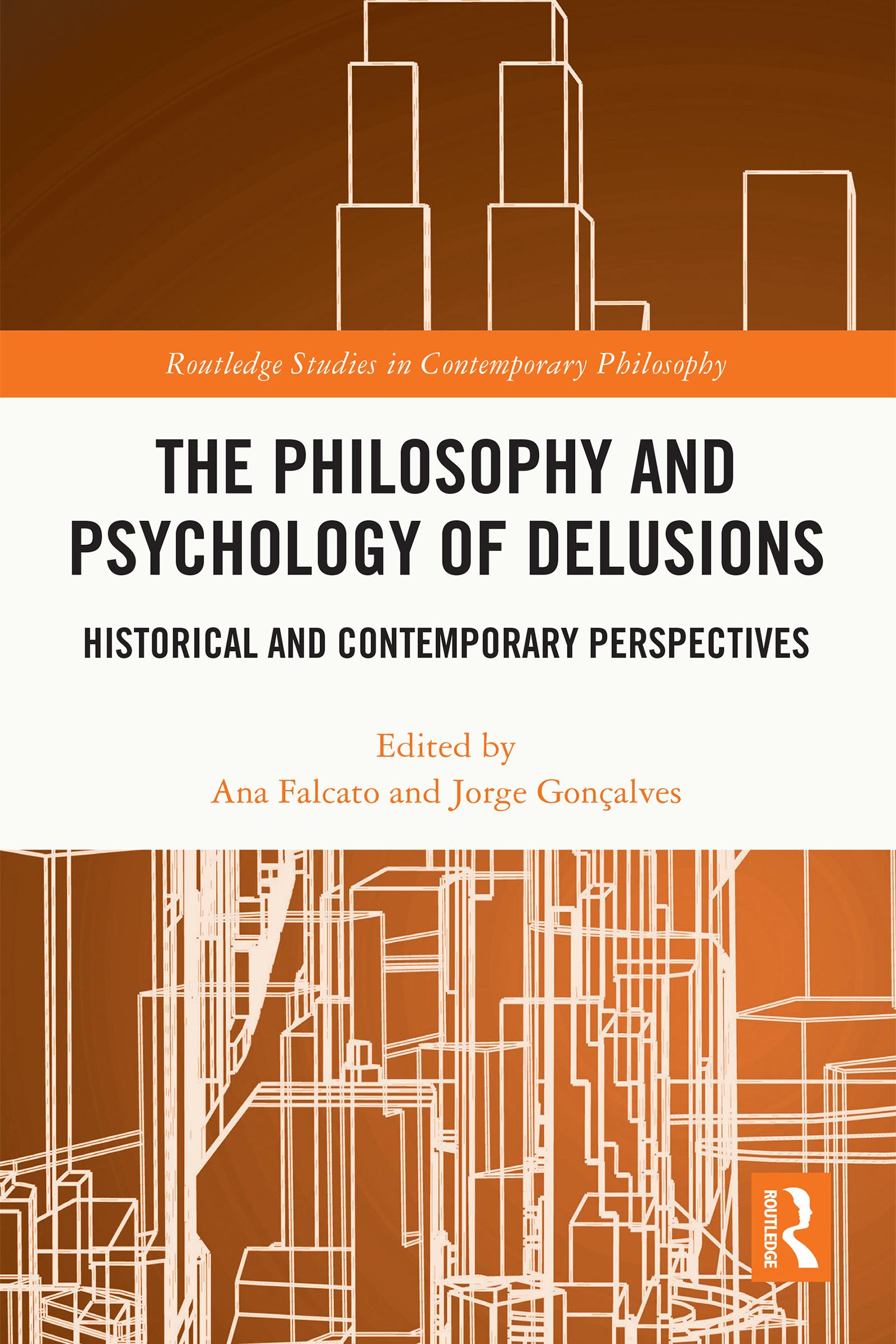
This book presents new philosophical work on delusions and their impact on everyday human behavior. It explores a cluster of related topics at the intersection of philosophy of mind and psychiatry, while also charting the historical development of work on delusions.
Within psychiatry, there are several disputes about the nature and origin of delusions. Whereas some authors see only an abnormal phenomenon that needs to be treated by psychological or pharmacological means, others hold that delusions can be psychologically adaptive and even have epistemic benefits. This book brings together an interdisciplinary group of contributors to build consensus around what delusions are and how they impact the human mind. Part 1 provides readers with an informed historical discussion of delusions and carefully examines the contemporary impact of these historical perspectives. Part 2 analyzes the impact of contemporary views of delusions on the mental and emotional life of human agents. Finally, Part 3 explores the normative frameworks of delusions and analyzes the impact of some of their behavioral consequences on the daily life of subjects and their caregivers.
The Philosophy and Psychology of Delusions is essential reading for researchers and graduate students working at the intersection of philosophy, psychiatry, and psychology.
Paga facilmente con carta, Klarna, Apple Pay o Google Pay. Non sei soddisfatto? Hai sempre 14 giorni per il rimborso. Leggi di più nei nostri termini. Per qualsiasi domanda, scrivici a hello@memmo.org.
Memmo rende lo studio più facile, ovunque tu sia nel mondo. Qui trovi i tuoi libri di testo e strumenti di studio intelligenti, tutto in un unico posto: riassunti, quiz, podcast e flashcard. E poi c'è Ted, il tuo compagno di studio che risponde a ogni tua domanda. Oltre 50.000 studenti studiano già qui: è stato creato per aiutarti a imparare più velocemente e a stressarti meno.