
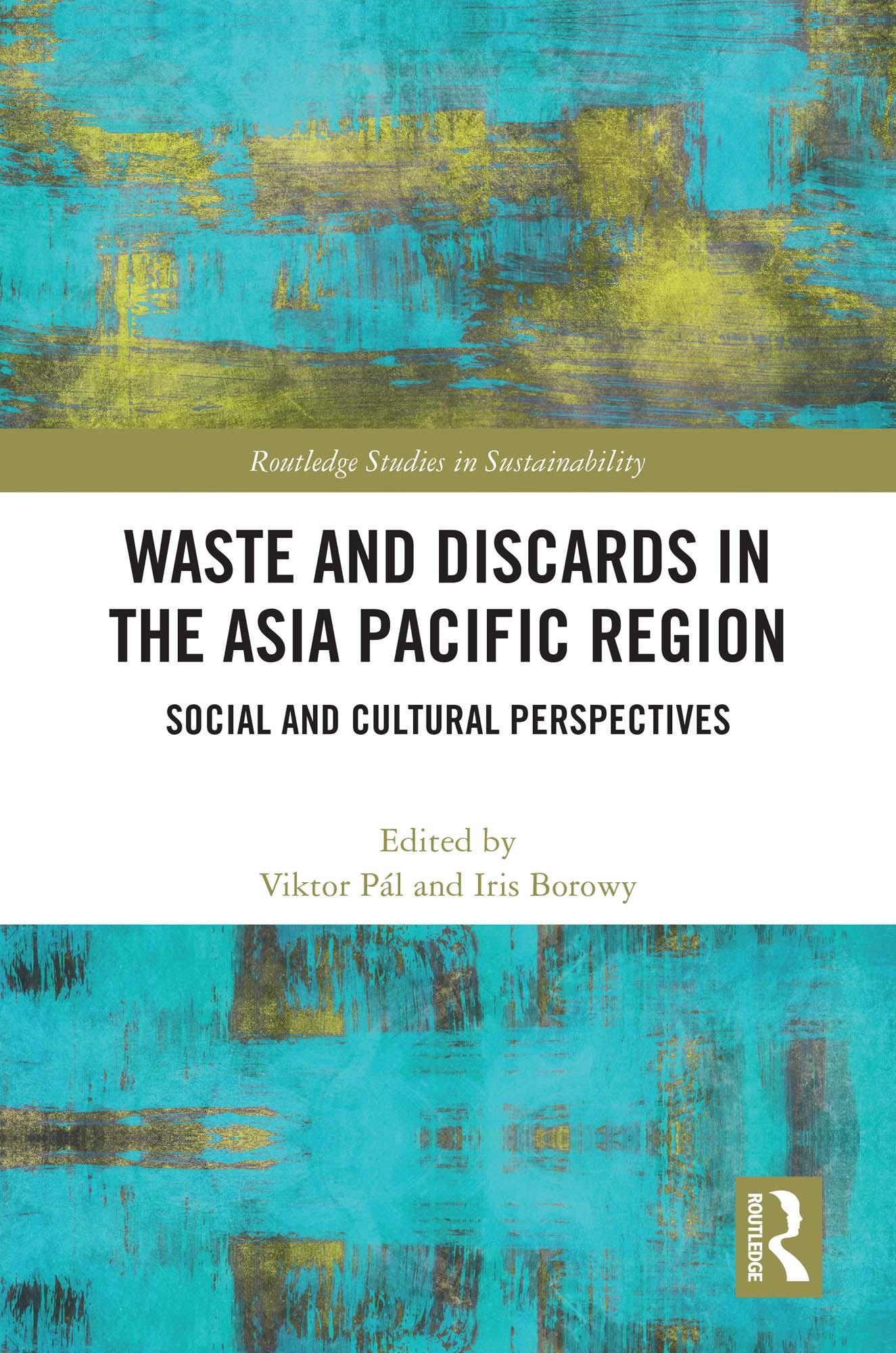
This book uncovers, explores and analyses the cultural and social factors and values that lie behind waste making, recycling and disposal in the Asia Pacific region, where impressive economic growth has led to significant increases in production, consumption and concomitant waste production.
This volume demonstrates the immense scope of waste as a multi-sectoral phenomenon, covering discussions on food, menstrual products, sewage, electronics, scrap, nuclear waste, plastics and even entire villages as they are submerged underwater by dam building, considered expendable in favour of economic growth. It discusses the wide range of approaches and contexts through which people interact with waste, including socio-economic analysis, participatory observation, laboratory science, art, video, installations, literature and photography. Case studies focusing on India, China and Japan, in addition to other regional examples, demonstrate the ubiquity of waste, materially and geographically. They reveal the multiple, sometimes contradictory, dimensions of waste: managing it can foster community building but can also exclude marginalized groups; waste can trigger innovative economic concepts and practices, but it can also pollute the oceans in large garbage gyres and it can wondrously change its nature from trash to useful components to new production, before being discarded once again.
This timely and wide-ranging collection of essays will be an important read for scholars, researchers and students in sustainability, development studies, discard studies, and social and cultural history, particularly focusing on countries in the Asia Pacific.
Paga facilmente con carta, Klarna, Apple Pay o Google Pay. Non sei soddisfatto? Hai sempre 14 giorni per il rimborso. Leggi di più nei nostri termini. Per qualsiasi domanda, scrivici a hello@memmo.org.
Memmo rende lo studio più facile, ovunque tu sia nel mondo. Qui trovi i tuoi libri di testo e strumenti di studio intelligenti, tutto in un unico posto: riassunti, quiz, podcast e flashcard. E poi c'è Ted, il tuo compagno di studio che risponde a ogni tua domanda. Oltre 50.000 studenti studiano già qui: è stato creato per aiutarti a imparare più velocemente e a stressarti meno.