
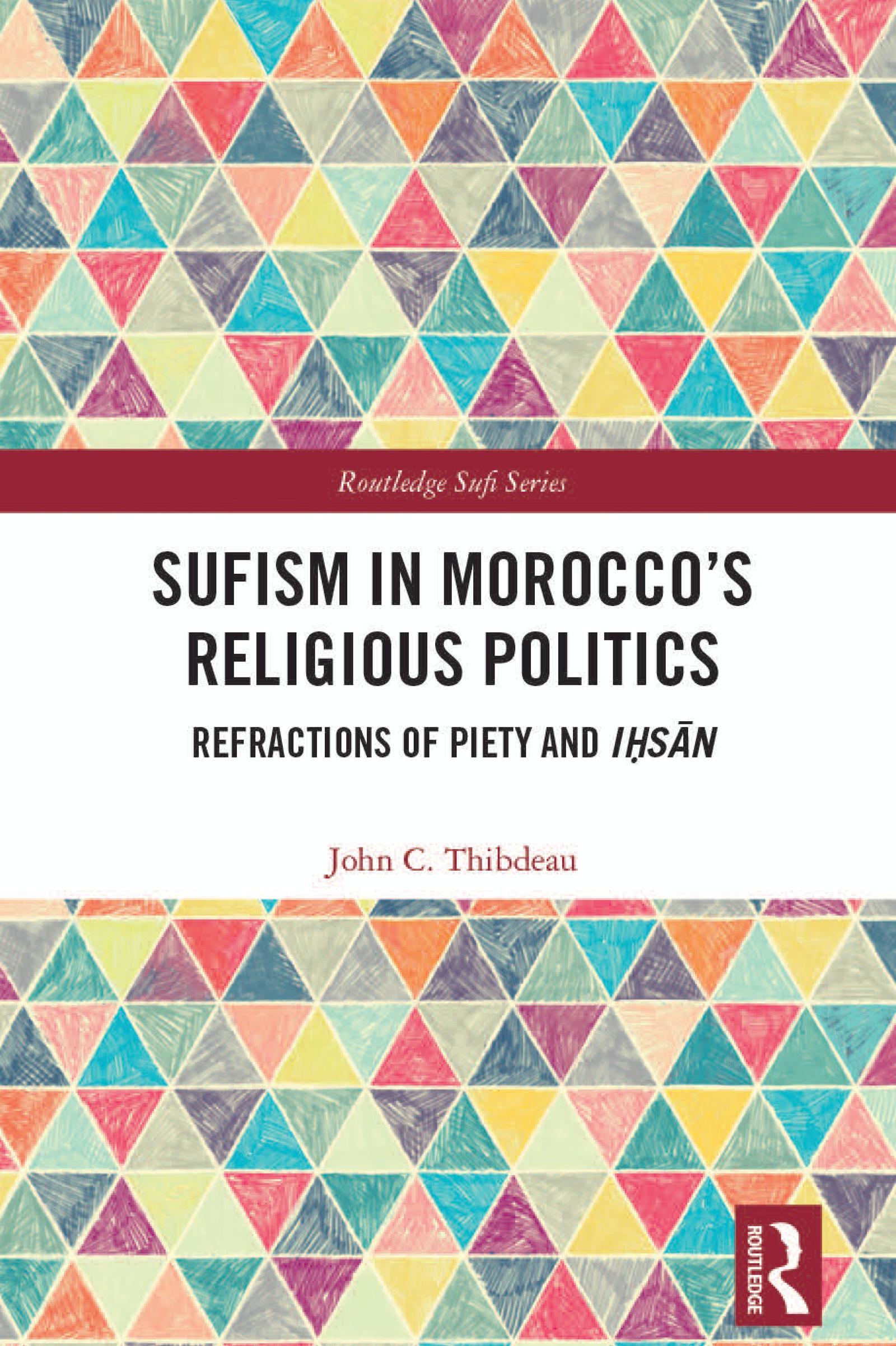
This book outlines the role of Sufism in Moroccan politics in the twenty-first century through a comparative study of contemporary Sufi organizations.
The author begins his analysis by highlighting the strategies employed by the Moroccan state over the past twenty years, aimed at regulating and producing an authorized ‘Moroccan Islam’ in the kingdom. Despite these policies of spiritual security and spiritual diplomacy, including the state sponsorship of Sufi organizations, the author argues that this has not decreased diversity nor produced a banal interpretation of Islam, but rather given rise to diverse articulations and performances of this religiosity. Through a comparative analysis of three Sufi organizations based on eighteen months of fieldwork – two of which have never before been studied – the author brings into relief the spaces of creative enactment of Sufism as an ethical tradition. Ultimately, it is argued that each Sufi organization reflects a different refraction of iḥsān, a concept emphasising the cultivation of public piety which underpins the Moroccan state’s formulation of Islam.
Focused on both theoretical contributions to Islamic studies and topical treatments of geopolitical issues like spiritual diplomacy, the Western Sahara, and Morocco-Algeria, the book spans multiple disciplines, including anthropology, religious studies, sociology, and political science.
Paga facilmente con carta, Klarna, Apple Pay o Google Pay. Non sei soddisfatto? Hai sempre 14 giorni per il rimborso. Leggi di più nei nostri termini. Per qualsiasi domanda, scrivici a hello@memmo.org.
Memmo rende lo studio più facile, ovunque tu sia nel mondo. Qui trovi i tuoi libri di testo e strumenti di studio intelligenti, tutto in un unico posto: riassunti, quiz, podcast e flashcard. E poi c'è Ted, il tuo compagno di studio che risponde a ogni tua domanda. Oltre 50.000 studenti studiano già qui: è stato creato per aiutarti a imparare più velocemente e a stressarti meno.