
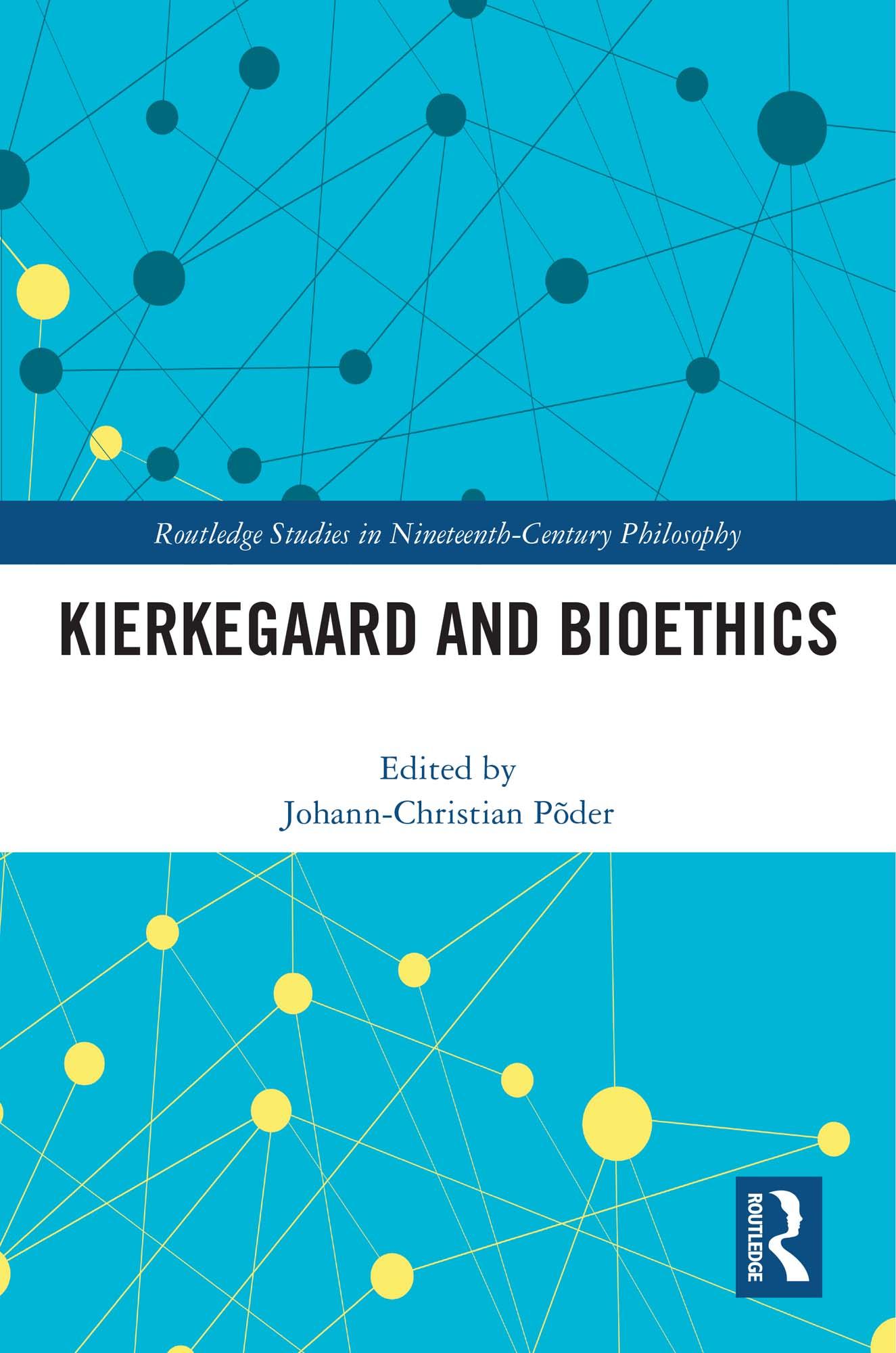
This book explores Kierkegaard’s significance for bioethics and discusses how Kierkegaard’s existential thinking can enrich and advance current bioethical debates.
A bioethics inspired by Kierkegaard is not focused primarily on ethical codes, principles, or cases, but on the existential 'how' of our medical situation. Such a perspective focuses on the formative ethical experiences that an individual can have in relation to oneself and others when dealing with medical decisions, interventions, and information. The chapters in this volume explore questions like: What happens when medicine and bioethics meet Kierkegaard? How might Kierkegaard’s writings and thoughts contribute to contemporary issues in medicine? Do we need an existential turn in bioethics? They offer theoretical reflections on how Kierkegaard’s existential thinking might contribute to bioethics and apply Kierkegaardian concepts to debates on health and disease, predictive medicine and enhancement, mental illness and trauma, COVID-19, and gender identity.
Kierkegaard and Bioethics will be of interest to scholars and advanced students working on Kierkegaard, bioethics, moral philosophy, existential ethics, religious ethics, and the medical humanities.
Paga facilmente con carta, Klarna, Apple Pay o Google Pay. Non sei soddisfatto? Hai sempre 14 giorni per il rimborso. Leggi di più nei nostri termini. Per qualsiasi domanda, scrivici a hello@memmo.org.
Memmo rende lo studio più facile, ovunque tu sia nel mondo. Qui trovi i tuoi libri di testo e strumenti di studio intelligenti, tutto in un unico posto: riassunti, quiz, podcast e flashcard. E poi c'è Ted, il tuo compagno di studio che risponde a ogni tua domanda. Oltre 50.000 studenti studiano già qui: è stato creato per aiutarti a imparare più velocemente e a stressarti meno.