
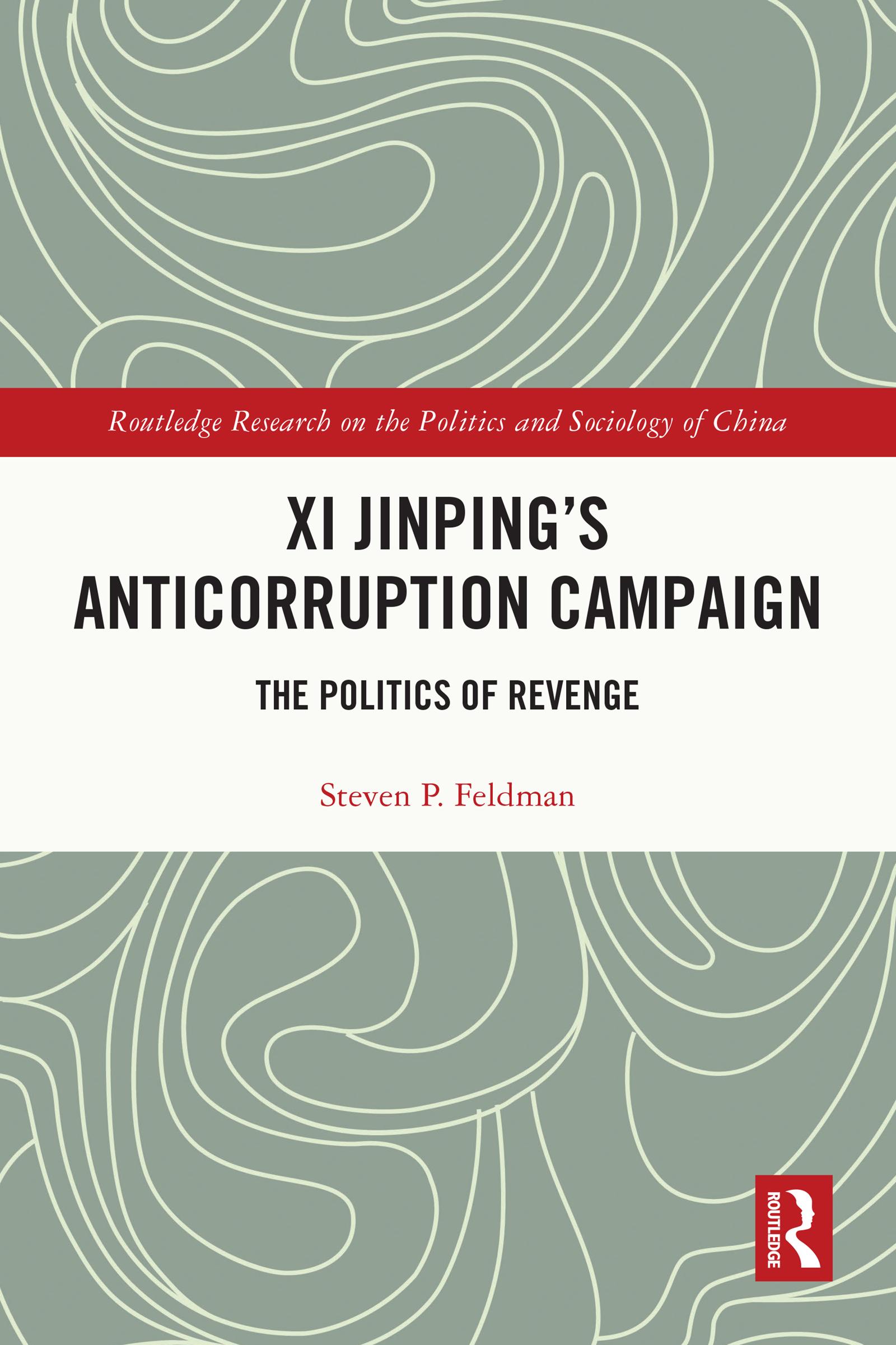
Through empirical analysis and conceptual development, this book analyzes the political psychology of Xi Jinping's Anticorruption Campaign and its role in the Chinese political system.
Using Nietzsche’s concept of ressentiment and data collected from direct fieldwork, the book analyzes the Chinese Communist Party (CCP) dictatorship, revealing that it is prone to extremes, through ideology or corruption, and highlights how the Party’s attempts to address one extreme only leads to the rise of another. In turn, it examines the Anticorruption Campaign in multiple ways including its use to increase the role of ideology in Chinese society, how it functions to concentrate Xi's power, its cultural form as a status reversal ritual, and its continuity with previous communist campaigns and ancient Chinese political traditions. Through each of these analyses, the book identifies crucial mechanisms through which the CCP maintains power through interrelated policies, actions, and their emotional effects.
Providing a vital understanding of the CCP, this book will be an invaluable resource to students and scholars of Chinese politics, as well as diplomats and policymakers on China.
Paga facilmente con carta, Klarna, Apple Pay o Google Pay. Non sei soddisfatto? Hai sempre 14 giorni per il rimborso. Leggi di più nei nostri termini. Per qualsiasi domanda, scrivici a hello@memmo.org.
Memmo rende lo studio più facile, ovunque tu sia nel mondo. Qui trovi i tuoi libri di testo e strumenti di studio intelligenti, tutto in un unico posto: riassunti, quiz, podcast e flashcard. E poi c'è Ted, il tuo compagno di studio che risponde a ogni tua domanda. Oltre 50.000 studenti studiano già qui: è stato creato per aiutarti a imparare più velocemente e a stressarti meno.