
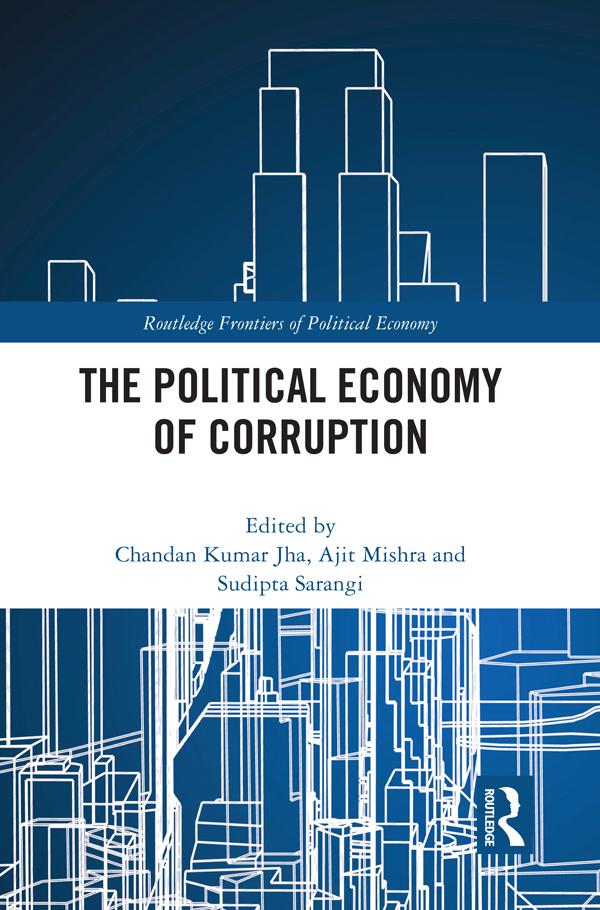
Corruption, commonly defined as the misuse of public office for private gains, is multifaceted, multidimensional and ubiquitous. This edited collection, featuring contributions from leading scholars in the field of corruption, goes beyond the standard enforcement framework wherein individuals only compare the expected costs and benefits of a corrupt act. These chapters explore the political-cultural contexts, legal and regulatory process and, above all, moral and psychological factors in attempts to understand and explain corruption. The book explores a broad canvas where gender, technology, culture and institutional structures influence attitudes towards corruption.
Design and implementation of anti-corruption strategies benefit from suitable identification of these factors contributing to the prevalence and persistence of corruption. Combining theoretical and empirical studies with evidence from experiments as well as case studies, the book provides crucial state of the art in corruption research in a highly accessible manner. This book serves as a vital reference to students and scholars in economics, politics and development studies. Additionally, policymakers and development practitioners can use the insights from this book in successful design and implementation of anti-corruption policies.
Paga facilmente con carta, Klarna, Apple Pay o Google Pay. Non sei soddisfatto? Hai sempre 14 giorni per il rimborso. Leggi di più nei nostri termini. Per qualsiasi domanda, scrivici a hello@memmo.org.
Memmo rende lo studio più facile, ovunque tu sia nel mondo. Qui trovi i tuoi libri di testo e strumenti di studio intelligenti, tutto in un unico posto: riassunti, quiz, podcast e flashcard. E poi c'è Ted, il tuo compagno di studio che risponde a ogni tua domanda. Oltre 50.000 studenti studiano già qui: è stato creato per aiutarti a imparare più velocemente e a stressarti meno.