
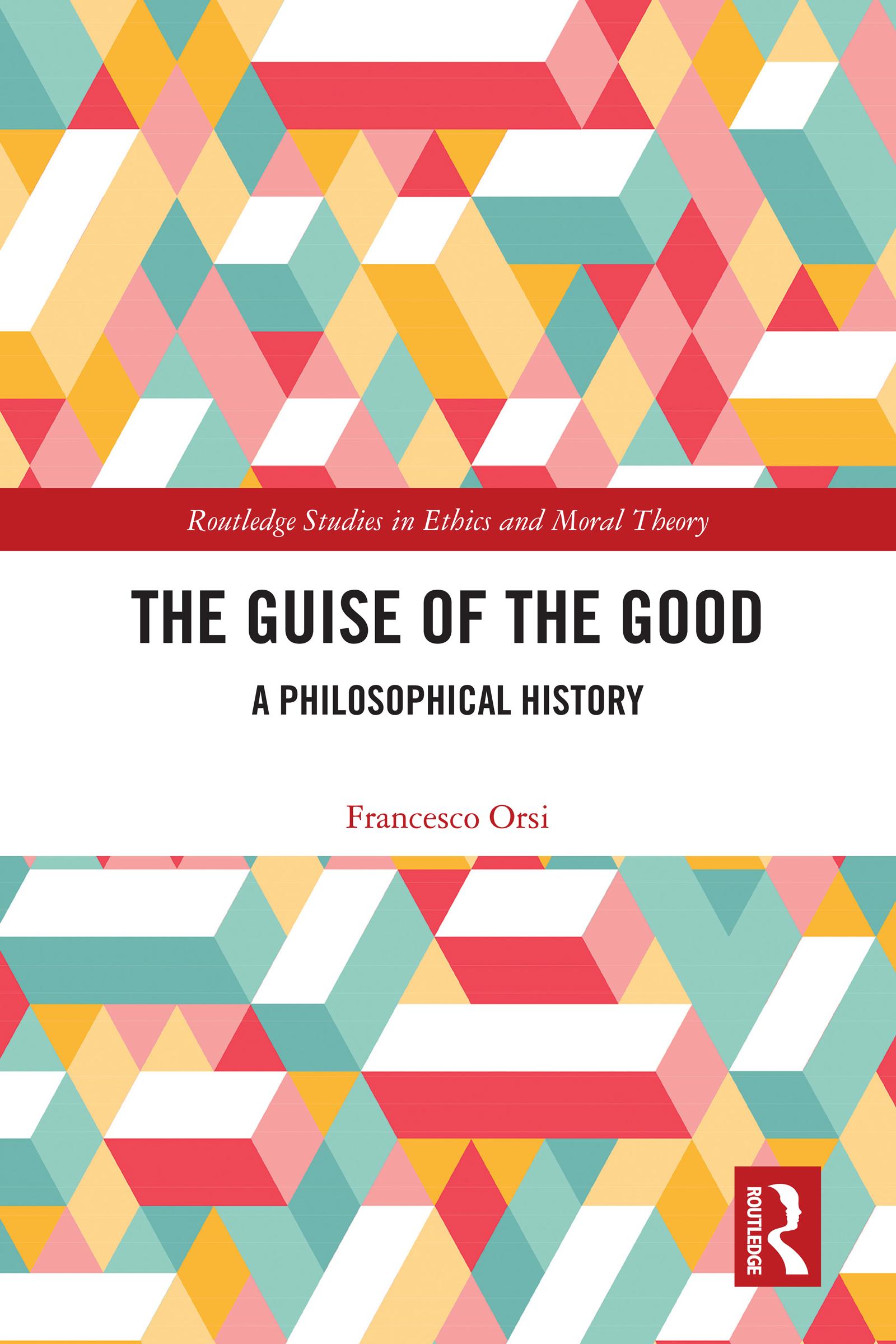
This is the first book to trace the doctrine of the guise of the good throughout the history of Western philosophy. It offers a chronological narrative exploring how the doctrine was formulated, the arguments for and against it, and the broader role it played in the thought of different philosophers.
In recent years there has been a rich debate about whether value judgment or value perception must form an essential part of mental states such as emotions and desires, and whether intentional actions must always be done for reasons that seem good to the agent. This has sparked new theoretical interest in the classical doctrine of the guise of the good: whenever we desire (to do) something, we see it under the guise of the good; that is, we conceive of what we desire as good, desirable, or justified by reasons, in some way or another. This book offers a systematic historical treatment of the guise of the good. The chapters span from Ancient and Medieval philosophy (Socrates, Plato, Aristotle, Augustine, and Aquinas), through the early modern period (Hobbes, Spinoza, Locke, Hume, and Kant) and up to Elizabeth Anscombe's rediscovery in the 20th century after a period of relative neglect. Together they demonstrate how history can offer potential new models of the guise of the good—or new arguments against it—as well as to give a sense of how the guise of the good can bear on other philosophical issues.
The Guise of the Good: A Philosophical History is an excellent resource for scholars and students working on the history of ethics, philosophy of action, and practical reason.
Paga facilmente con carta, Klarna, Apple Pay o Google Pay. Non sei soddisfatto? Hai sempre 14 giorni per il rimborso. Leggi di più nei nostri termini. Per qualsiasi domanda, scrivici a hello@memmo.org.
Memmo rende lo studio più facile, ovunque tu sia nel mondo. Qui trovi i tuoi libri di testo e strumenti di studio intelligenti, tutto in un unico posto: riassunti, quiz, podcast e flashcard. E poi c'è Ted, il tuo compagno di studio che risponde a ogni tua domanda. Oltre 50.000 studenti studiano già qui: è stato creato per aiutarti a imparare più velocemente e a stressarti meno.