
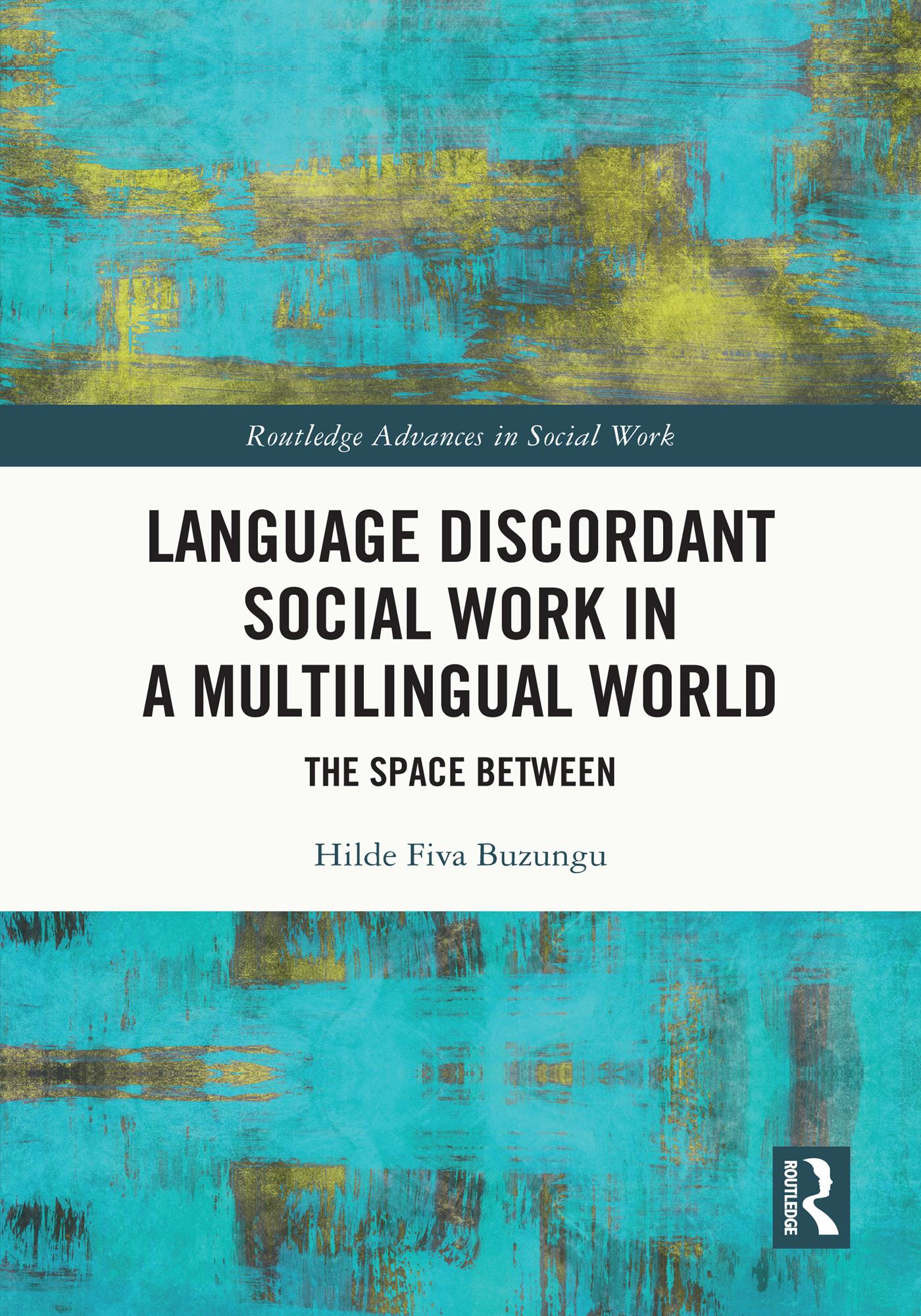
Based on ethnographic observations of encounters between social workers and people with whom they do not have a shared language, this book analyzes the impact of language discordance on the quality of professional service provision.
Exploring how street-level bureaucrats navigate the landscape of these discretionary assessments of language discordance, language proficiency, and the need for interpreting, the book focuses on four main themes:
- the complexity of social work talk
- the issue of participation in language discordant meetings
- communicative interaction
- the issue of how clarification is requested when needed, and whether professionals and service users are able to reach clarity when something is unclear
Based on the findings presented on these different aspects of language discordant talk, the consequences of language discordance for social work are presented and discussed, focusing primarily on issues at the intersection of language, communication, power, dominance and subordination, representation, linguicism, and ultimately, human rights and human dignity.
It will be of interest to all social work students, academics and professionals as well as those working in public services and allied health more broadly.
Paga facilmente con carta, Klarna, Apple Pay o Google Pay. Non sei soddisfatto? Hai sempre 14 giorni per il rimborso. Leggi di più nei nostri termini. Per qualsiasi domanda, scrivici a hello@memmo.org.
Memmo rende lo studio più facile, ovunque tu sia nel mondo. Qui trovi i tuoi libri di testo e strumenti di studio intelligenti, tutto in un unico posto: riassunti, quiz, podcast e flashcard. E poi c'è Ted, il tuo compagno di studio che risponde a ogni tua domanda. Oltre 50.000 studenti studiano già qui: è stato creato per aiutarti a imparare più velocemente e a stressarti meno.