
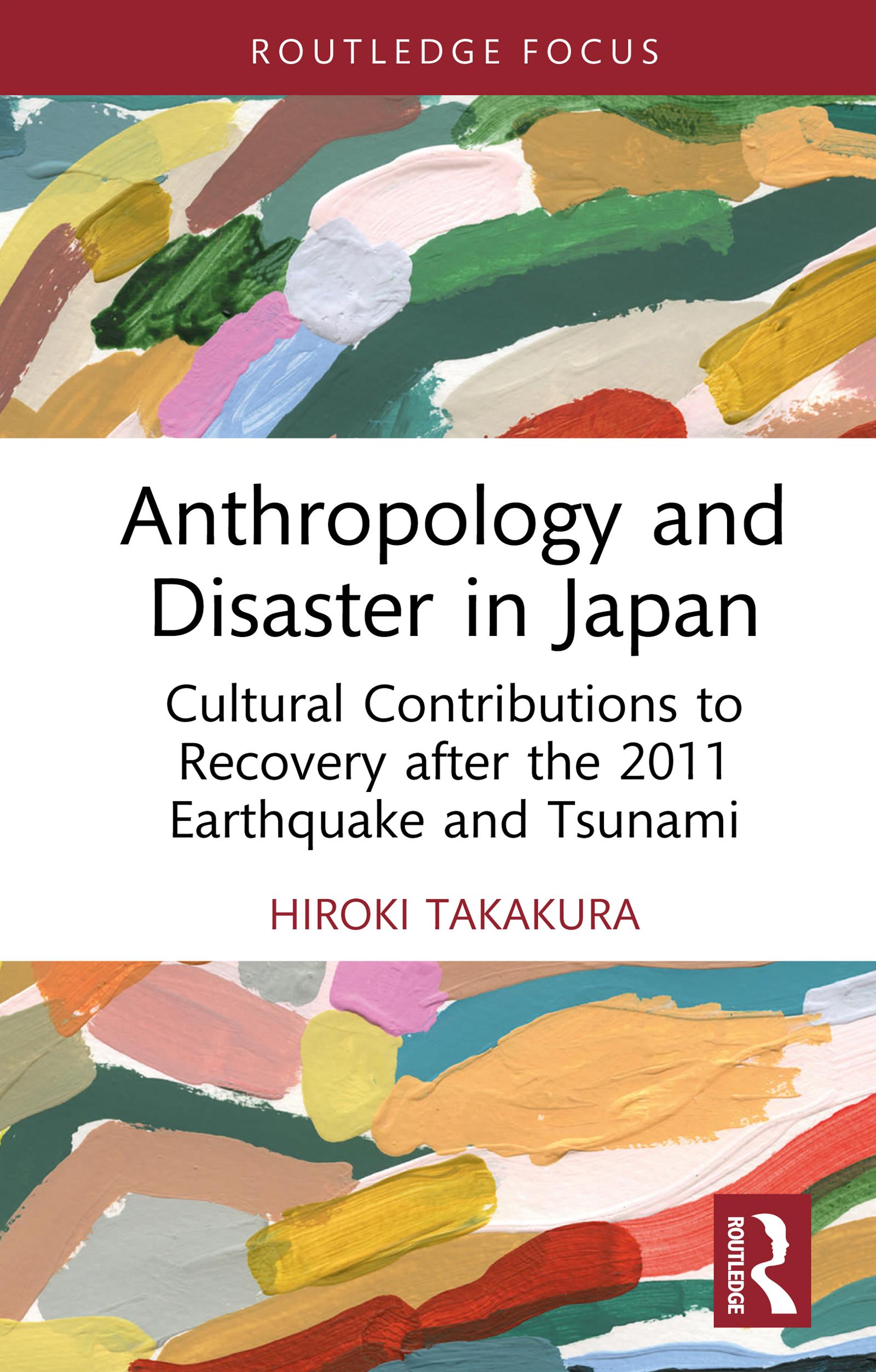
This book focuses on the 3.11 disaster in Japan, involving a powerful earthquake and tsunami, from an anthropological perspective. It critically reflects on the challenges of conducting anthropological research when encountering disaster at home and the position of social scientist as sufferer. Emphasizing the role of culture in disaster mitigation, the book offers theoretical consideration of the role of cultural heritage in risk management, in line with recent trends in international policy on disaster risk reduction. Taking an approach “with the people in,” the author explores how culture features in disaster recovery at community level and considers implications for policy. The chapters explore the response and adaptation by local cultural practitioners and performing arts groups as well as farmers and fishers. Japanese farming and fishing are presented as an innovative and dynamic part of the recovery process. The book will be of interest to scholars and policymakers working in disaster studies, Japan studies, and fields including anthropology, geography, sociology, and heritage management.
Paga facilmente con carta, Klarna, Apple Pay o Google Pay. Non sei soddisfatto? Hai sempre 14 giorni per il rimborso. Leggi di più nei nostri termini. Per qualsiasi domanda, scrivici a hello@memmo.org.
Memmo rende lo studio più facile, ovunque tu sia nel mondo. Qui trovi i tuoi libri di testo e strumenti di studio intelligenti, tutto in un unico posto: riassunti, quiz, podcast e flashcard. E poi c'è Ted, il tuo compagno di studio che risponde a ogni tua domanda. Oltre 50.000 studenti studiano già qui: è stato creato per aiutarti a imparare più velocemente e a stressarti meno.