
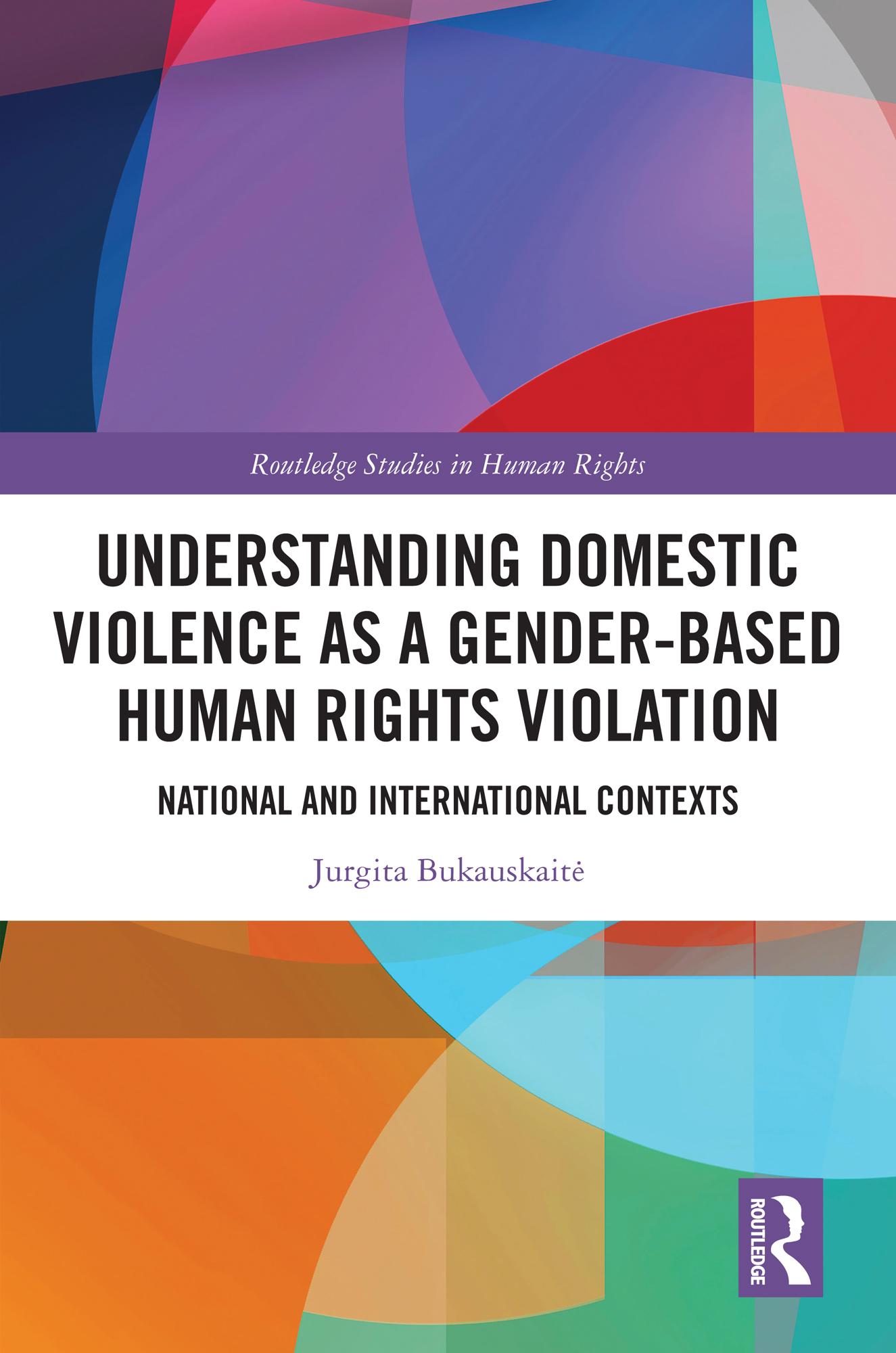
Examining the prevalent issue of domestic violence, this book breaks down the reasons behind the ineffectiveness of existing human rights instruments and the gaps in current legal systems failing those in need. Through a variety of key case studies, it reveals significant gaps in the legal conceptualisation of domestic violence between human rights standards on the one hand and the national legal systems examined—those of Ireland and Lithuania—on the other.
The book reveals that, contrary to gender-based universal human rights approaches and despite recent legislative reforms, the legal concept of domestic violence is gender-blind. It fails to capture gender-based empirical realities on the ground, rendering national legal systems devoid of an empirically informed theoretical basis for addressing the problem. Despite the differences in the contextual backgrounds of the two case study countries, the legislation on domestic violence is underpinned by patriarchal beliefs in both.
This book employs a gender-based examination of the issue that will be of key interest to scholars, legal practitioners, civil society actors, and students of feminist legal theory, gender equality, gender in international law, gender and human rights and conceptual democracy.
Paga facilmente con carta, Klarna, Apple Pay o Google Pay. Non sei soddisfatto? Hai sempre 14 giorni per il rimborso. Leggi di più nei nostri termini. Per qualsiasi domanda, scrivici a hello@memmo.org.
Memmo rende lo studio più facile, ovunque tu sia nel mondo. Qui trovi i tuoi libri di testo e strumenti di studio intelligenti, tutto in un unico posto: riassunti, quiz, podcast e flashcard. E poi c'è Ted, il tuo compagno di studio che risponde a ogni tua domanda. Oltre 50.000 studenti studiano già qui: è stato creato per aiutarti a imparare più velocemente e a stressarti meno.