
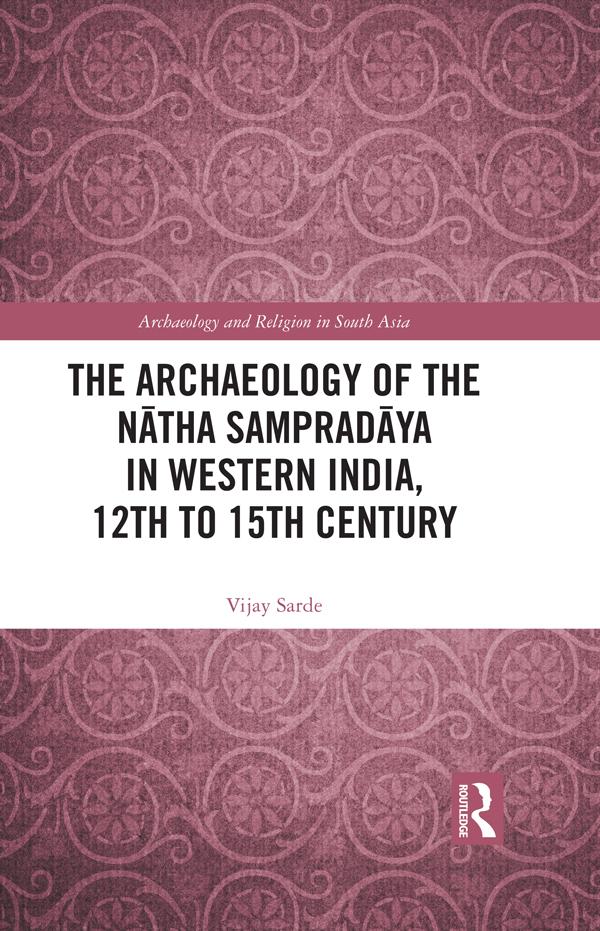
This book studies Nātha sampradāya through archaeological evidence for the first time. Drawing on a pioneering approach to the study of ascetic traditions, it investigates not only the nature of the Nātha sampradāya’s religious architecture but also examines the extent to which they shared space with other religious groups such as the devotees of Siva and Sakti, Buddhism, and Islam, especially with the Sufi tradition.
Focusing on western India, the book sifts through a variety of archaeological evidence and documentation of their temples, caves, and maṭhas. It critically analyses iconographic representations of ascetics on temple walls and sculptural representations of yogic postures or āsanas. Further, these representations are discussed within a pan-South Asian framework to highlight both the commonalities of the tradition across the subcontinent and the regional specificities, along with their chronological spread.
Breaking new ground, this volume will be of great interest to scholars and researchers of religion, especially Hinduism, history, archaeology, and South Asian studies.
Paga facilmente con carta, Klarna, Apple Pay o Google Pay. Non sei soddisfatto? Hai sempre 14 giorni per il rimborso. Leggi di più nei nostri termini. Per qualsiasi domanda, scrivici a hello@memmo.org.
Memmo rende lo studio più facile, ovunque tu sia nel mondo. Qui trovi i tuoi libri di testo e strumenti di studio intelligenti, tutto in un unico posto: riassunti, quiz, podcast e flashcard. E poi c'è Ted, il tuo compagno di studio che risponde a ogni tua domanda. Oltre 50.000 studenti studiano già qui: è stato creato per aiutarti a imparare più velocemente e a stressarti meno.