
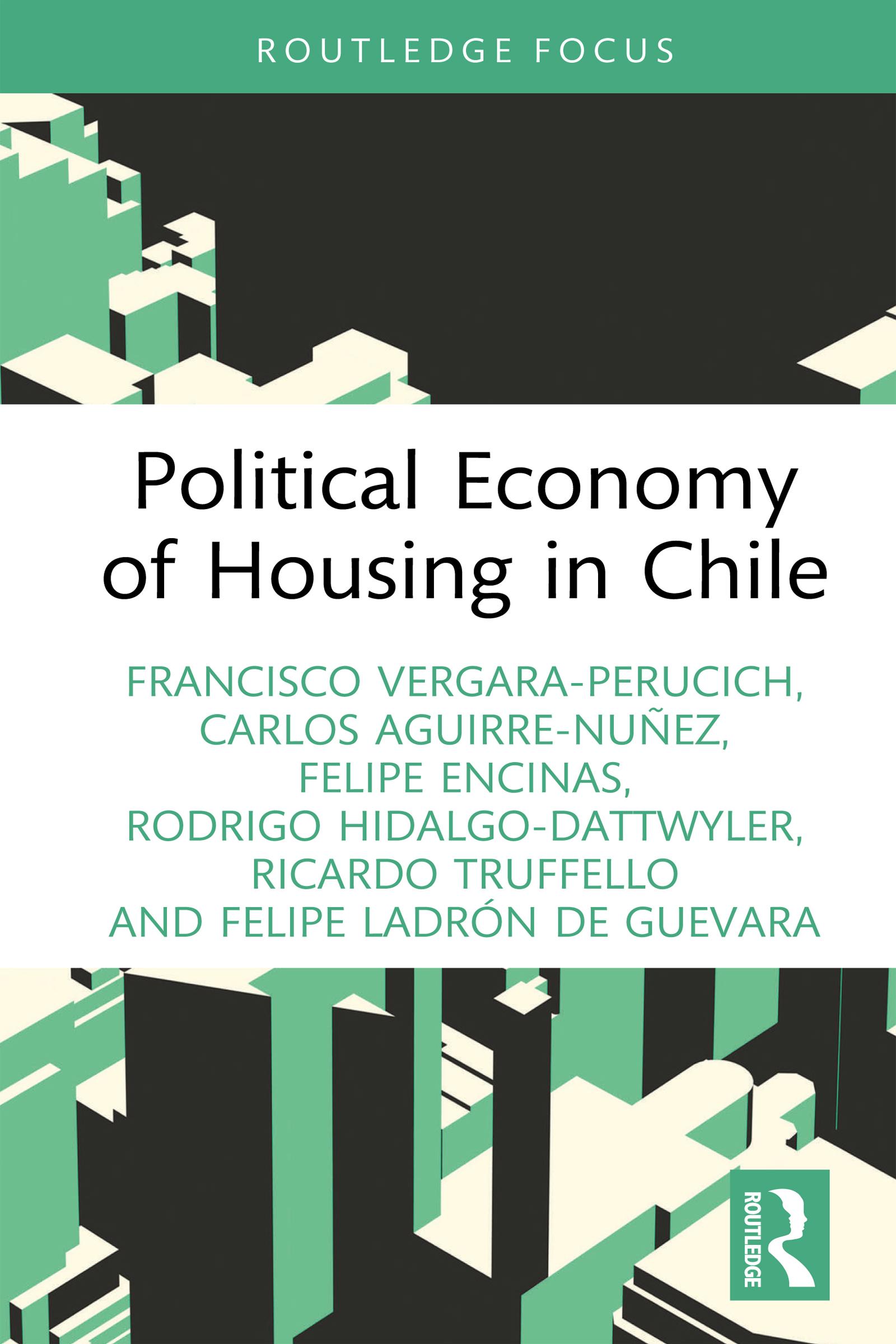
Through the lens of political economy, this book positions housing as a key factor in understanding social inequality. It does so by drawing on rich empirical evidence from the case of the Chilean housing market.
This book provides insights on the articulation between real estate development, housing provision and social inequality based on applied urban economics analyses that illustrate the contradictions of neoliberal urbanism through the case of Chile. For neoliberal urbanism, the good city is not equal for all, it is based on the principle of profitability and benefits from segregation to make capital investment more efficient. The chapters of this book expose how these processes are generated by a political system that allows them rather than by the invisible hand of the market.
The book will be of interest to graduate students in urban studies, urban planning, sociology and urban geography. It will also appeal to decision-makers and also to actors in the real estate market seeking to perfect the social benefits of their professional activities, aspiring to generate more egalitarian and just cities.
Paga facilmente con carta, Klarna, Apple Pay o Google Pay. Non sei soddisfatto? Hai sempre 14 giorni per il rimborso. Leggi di più nei nostri termini. Per qualsiasi domanda, scrivici a hello@memmo.org.
Memmo rende lo studio più facile, ovunque tu sia nel mondo. Qui trovi i tuoi libri di testo e strumenti di studio intelligenti, tutto in un unico posto: riassunti, quiz, podcast e flashcard. E poi c'è Ted, il tuo compagno di studio che risponde a ogni tua domanda. Oltre 50.000 studenti studiano già qui: è stato creato per aiutarti a imparare più velocemente e a stressarti meno.