
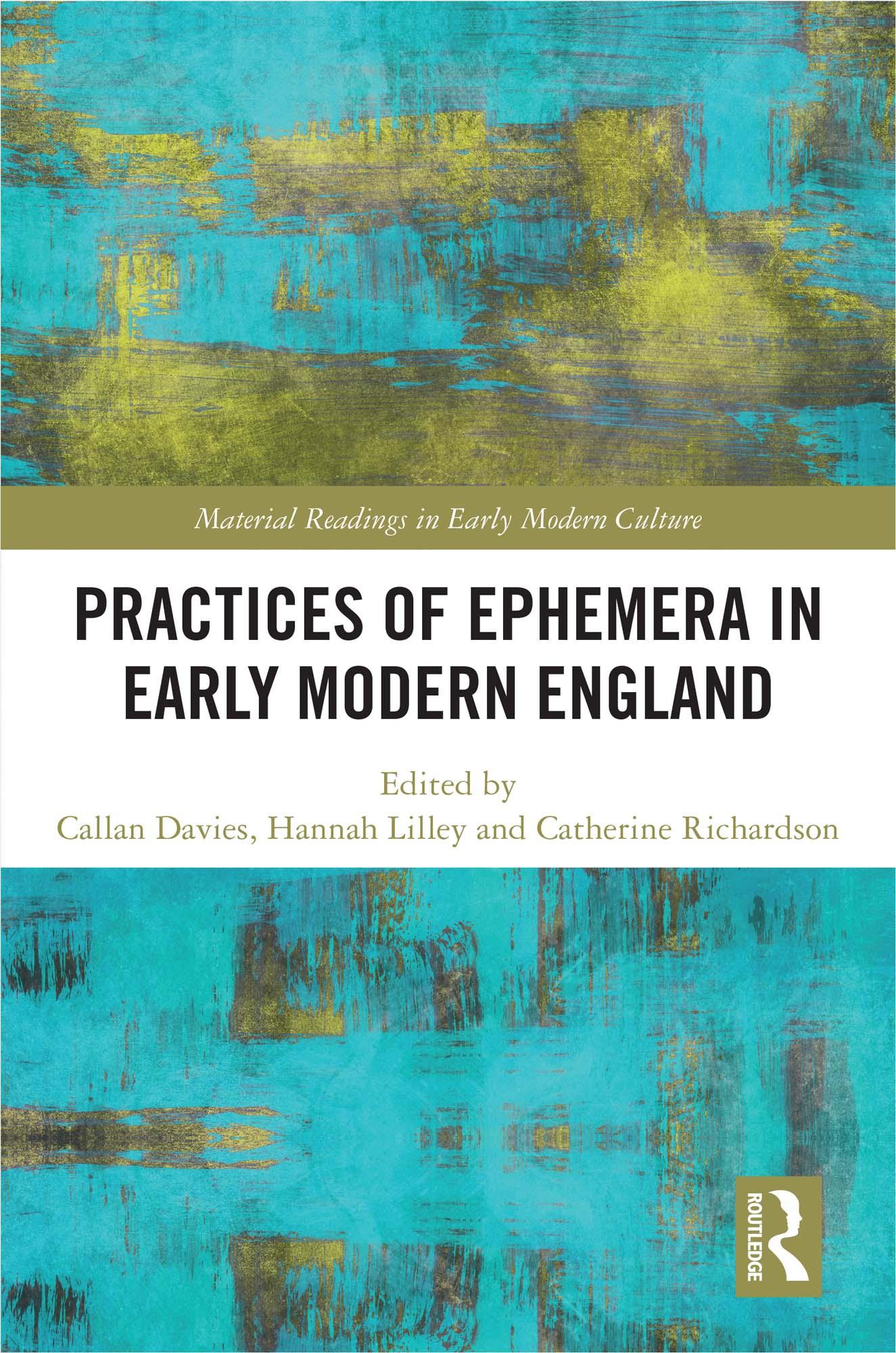
This collection is the first to historicise the term ephemera and its meanings for early modern England and considers its relationship to time, matter, and place. It asks: how do we conceive of ephemera in a period before it was routinely employed (from the eighteenth century) to describe ostensibly disposable print? In the sixteenth and seventeenth centuries—when objects and texts were rapidly proliferating—the term began to acquire its modern association with transitoriness. But contributors to this volume show how ephemera was also integrally related to wider social and cultural ecosystems. Chapters explore those ecosystems and think about the papers and artefacts that shaped homes, streets, and cities or towns and their attendant preservation, loss, or transformation. The studies here therefore look beyond static records to think about moments of process and transmutation and accordingly get closer to early modern experiences, identities, and practices.
Paga facilmente con carta, Klarna, Apple Pay o Google Pay. Non sei soddisfatto? Hai sempre 14 giorni per il rimborso. Leggi di più nei nostri termini. Per qualsiasi domanda, scrivici a hello@memmo.org.
Memmo rende lo studio più facile, ovunque tu sia nel mondo. Qui trovi i tuoi libri di testo e strumenti di studio intelligenti, tutto in un unico posto: riassunti, quiz, podcast e flashcard. E poi c'è Ted, il tuo compagno di studio che risponde a ogni tua domanda. Oltre 50.000 studenti studiano già qui: è stato creato per aiutarti a imparare più velocemente e a stressarti meno.