
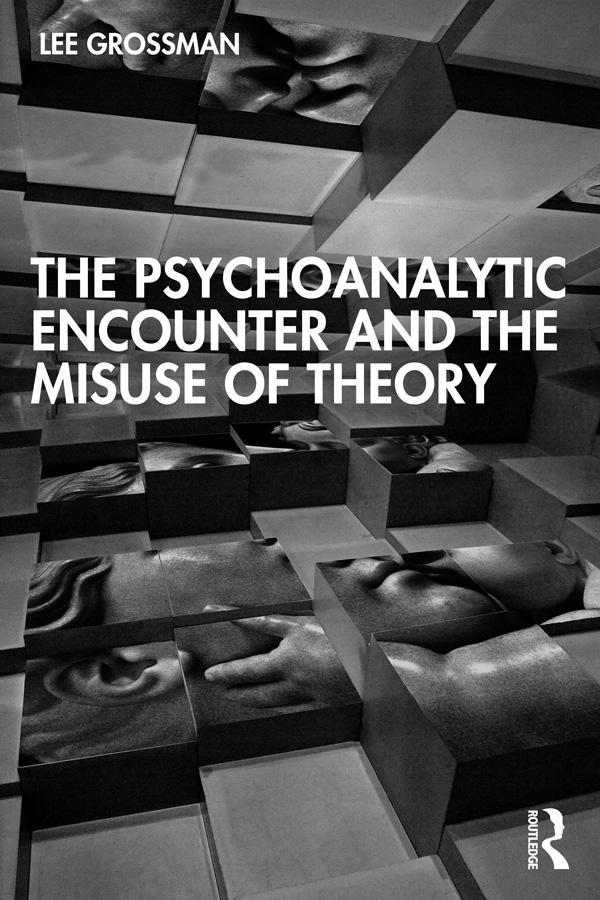
In clear, accessible language, Lee Grossman addresses the disjuncture between analytic literature and clinical work in an effort to render analytic theorizing more representative of clinical experience.
Pointing out the ways in which analytic literature can fail to capture the intensity of feeling and the stumbling, lurching, working in the dark that captures much of clinical engagement, Grossman shows how incomprehensibility is sometimes mistaken for wisdom. As an alternative, Grossman shows how attention to what he calls the syntax of thought can naturally define three different broad categories of life experience: the omnipotence of the neurotic, the wishful, short-sighted thinking of the perverse, and the concrete, disordered thinking of the psychotic. Using rich clinical material, interspersed with detailed exposition and artful satire, Grossman departs from conventional theoretical writing to provide new ways of conceptualising analytic therapy.
Addressing analytic therapy as an encounter between two people, both governed by forces about which they know very little, this book provides essential insights for psychoanalysts, psychotherapists and other clinical practitioners both in training and in practice.
Paga facilmente con carta, Klarna, Apple Pay o Google Pay. Non sei soddisfatto? Hai sempre 14 giorni per il rimborso. Leggi di più nei nostri termini. Per qualsiasi domanda, scrivici a hello@memmo.org.
Memmo rende lo studio più facile, ovunque tu sia nel mondo. Qui trovi i tuoi libri di testo e strumenti di studio intelligenti, tutto in un unico posto: riassunti, quiz, podcast e flashcard. E poi c'è Ted, il tuo compagno di studio che risponde a ogni tua domanda. Oltre 50.000 studenti studiano già qui: è stato creato per aiutarti a imparare più velocemente e a stressarti meno.