
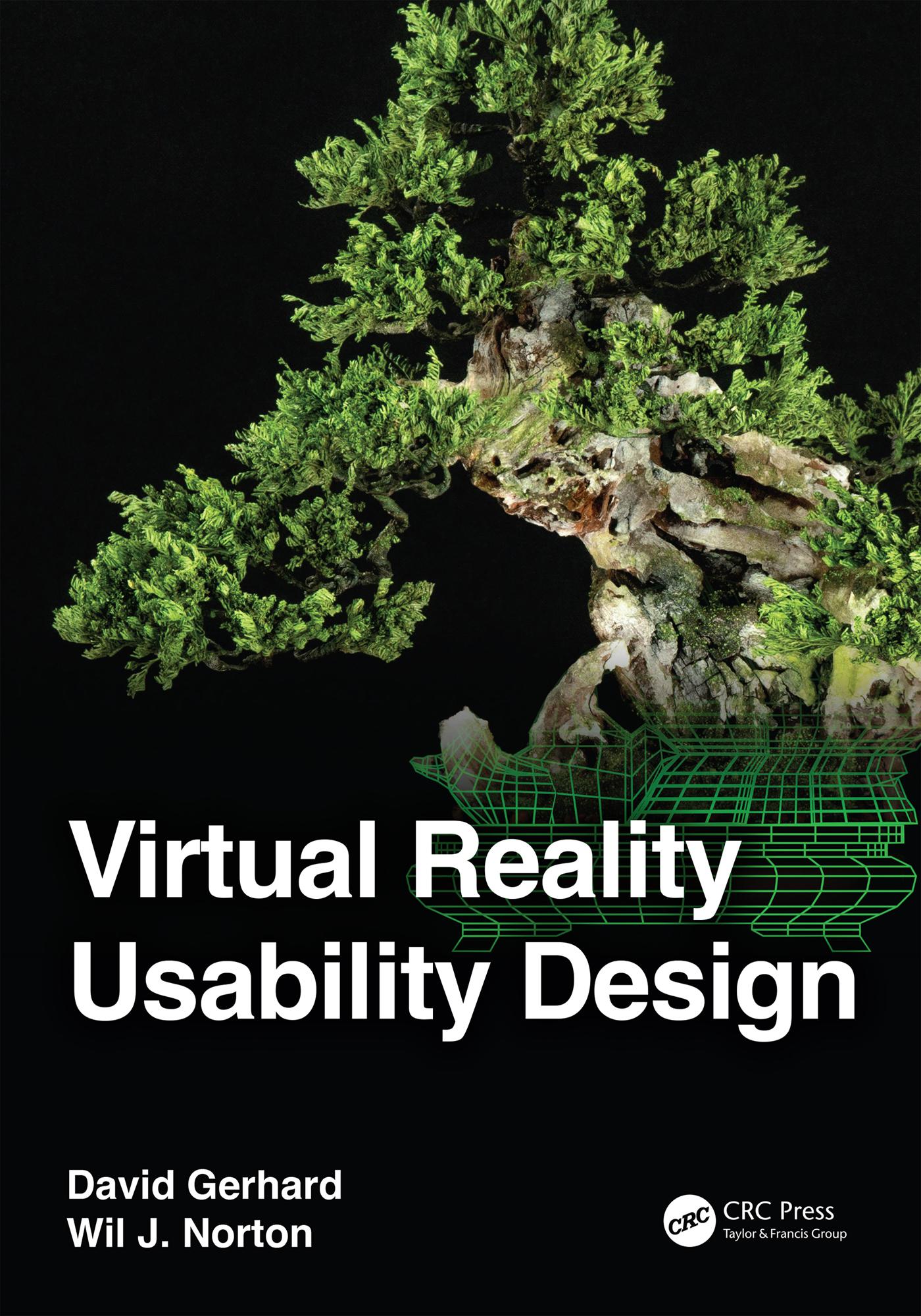
The development of effective and usable software for spatial computing platforms like virtual reality (VR) requires an understanding of how these devices create new possibilities (and new perils) when it comes to interactions between humans and computers. Virtual Reality Usability Design provides readers with an understanding of the techniques and technologies required to design engaging and effective VR applications.
The book covers both the mechanics of how human senses and the mind experience immersive virtual environments, as well as how to leverage these mechanics to create human-focused virtual experiences. Deeply rooted in principles of human perception and computational interaction, the current and future limitations of these replacements are also considered.
Full of real-world examples, this book is an indispensable guide for any practising VR developer interested in making efficient and effective interfaces. Meanwhile, explorations of concrete theory in their practical application will be useful for VR students and researchers alike.
Paga facilmente con carta, Klarna, Apple Pay o Google Pay. Non sei soddisfatto? Hai sempre 14 giorni per il rimborso. Leggi di più nei nostri termini. Per qualsiasi domanda, scrivici a hello@memmo.org.
Memmo rende lo studio più facile, ovunque tu sia nel mondo. Qui trovi i tuoi libri di testo e strumenti di studio intelligenti, tutto in un unico posto: riassunti, quiz, podcast e flashcard. E poi c'è Ted, il tuo compagno di studio che risponde a ogni tua domanda. Oltre 50.000 studenti studiano già qui: è stato creato per aiutarti a imparare più velocemente e a stressarti meno.