
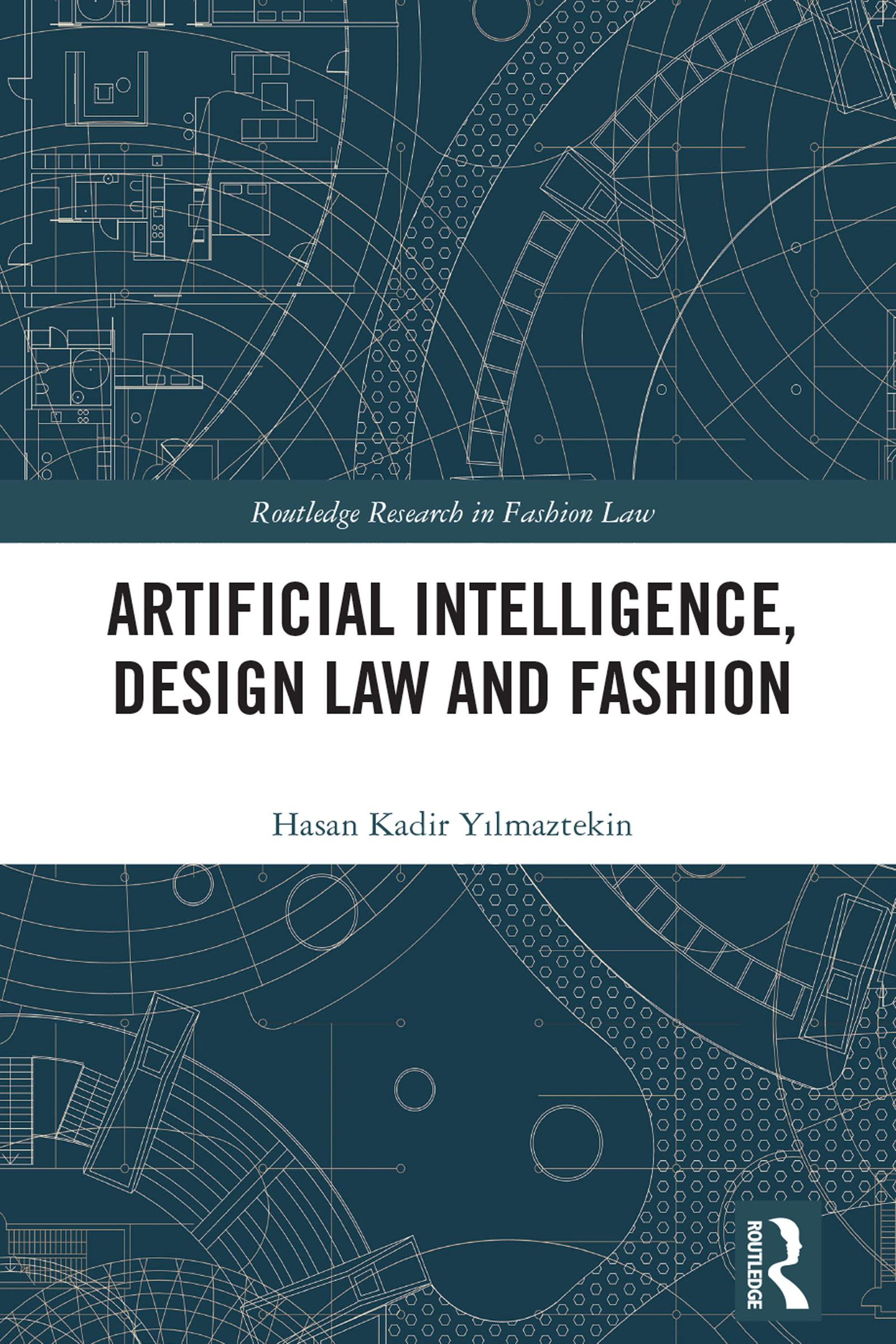
Artificial intelligence (AI) now infiltrates our culture. After a couple of difficult winters, AI today is a word on everybody’s lips, and it attracts everyone’s attention regardless of whether they are experts or not. From Apple’s Siri to Amazon’s Alexa, Tesla’s auto-driving cars to facial recognition systems in CCTV cameras, Netflix’s film offering services to Google’s search engine, we live in a world of AI goods.
The advent of AI-powered technologies increasingly affects people’s lives across the globe. As a tool for productivity and cost-efficiency, AI also shapes our economy and welfare.
AI-generated designs and works are becoming more popular. Today, AI technologies can generate several intellectual creations. Fashion is one of the industries that AI can profoundly impact. AI tools and devices are currently being used in the fashion industry to create fashion models, fabric and jewellery designs, and clothing.
When we talk about AI-generated designs, we instead focus on the fruits of innovation – more best-selling apparels, more fashionable designs and more fulfilment of customer expectations – without paying heed to who the designer is. Designers invest a lot of talent, time and finances into designing and creating each article of clothing and accessory before they release their work to the public. Pattern drafting is the first and most important step in dressmaking. Designers typically start with a general sketch on paper; add styles, elements and colours; revise and refine everything; and finally deliver their design to dressmakers. AI accelerates this time-consuming and labour-intensive process.
Yet the full legal consequences of AI in fashion industry are often forgotten. An AI device’s ability to generate fashion designs raises the question of who will own intellectual property rights over the fashion designs. Will it be the fashion designer who hires or contracts with the AI programmer? Will it be the programmer? Will it be the AI itself? Or will it be a joint work of humans and computers? And who will be liable for infringement deriving from use of third-party material in AI-generated fashion designs?
This book explores answers to these questions within the framework of EU design and copyright laws. It also crafts a solution proposal based on a three-step test and model norms, which could be used to unleash the authors, rights holders and infringers around AI-generated fashion designs.
Paga facilmente con carta, Klarna, Apple Pay o Google Pay. Non sei soddisfatto? Hai sempre 14 giorni per il rimborso. Leggi di più nei nostri termini. Per qualsiasi domanda, scrivici a hello@memmo.org.
Memmo rende lo studio più facile, ovunque tu sia nel mondo. Qui trovi i tuoi libri di testo e strumenti di studio intelligenti, tutto in un unico posto: riassunti, quiz, podcast e flashcard. E poi c'è Ted, il tuo compagno di studio che risponde a ogni tua domanda. Oltre 50.000 studenti studiano già qui: è stato creato per aiutarti a imparare più velocemente e a stressarti meno.