
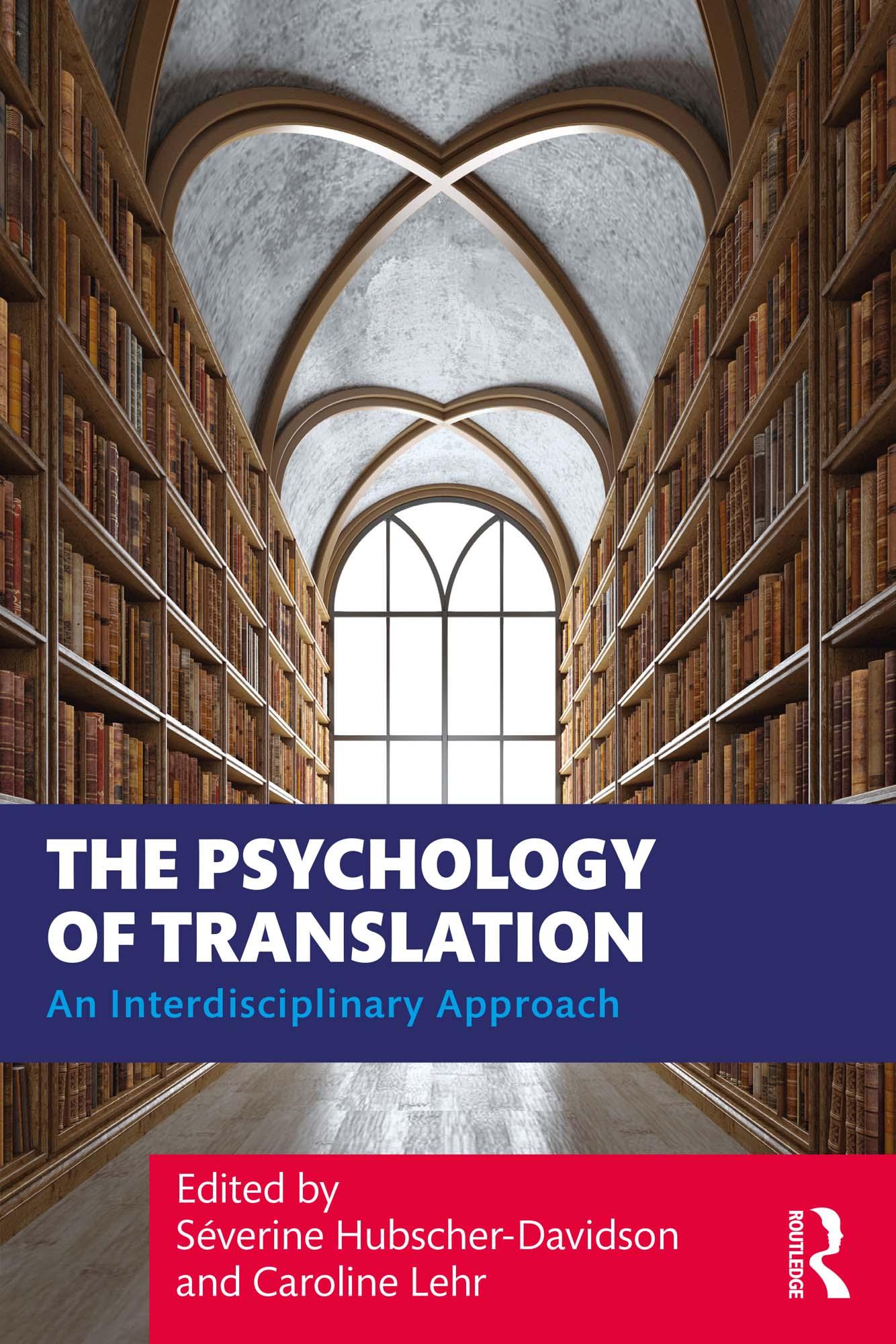
Drawing on work from scholars in both psychology and translation studies, this collection offers new perspectives on what Holmes (1972) called ‘translation psychology’. This interdisciplinary volume brings together contributions addressing translation from the vantage point of different applied branches of psychology, including critical-developmental psychology, occupational psychology, and forensic psychology.
Current theoretical and methodological practices in these areas have the potential to strengthen and diversify how translators’ decision-making and problem-solving behaviours are understood, but many sub-branches of psychology have lacked visibility so far in the translation studies literature. The Psychology of Translation: An Interdisciplinary Approach therefore seeks to expand our understanding of translator behaviour by bringing to the fore new schools of thought and conceptualisations. Some chapters report on empirical studies, while others provide a review of research in a particular area of psychology of relevance to translation and translators. Written by a range of leading figures and authorities in psychology and translation, it offers unique contributions that can enrich translation process research and provide a means of encouraging further development in the area of translation psychology.
This book will be of interest to scholars working at the intersection of translation and psychology, in such fields as translation studies, affective science, narrative psychology, and work psychology, amongst other areas. It will be of particular interest to researchers and postgraduate students in translation studies.
Paga facilmente con carta, Klarna, Apple Pay o Google Pay. Non sei soddisfatto? Hai sempre 14 giorni per il rimborso. Leggi di più nei nostri termini. Per qualsiasi domanda, scrivici a hello@memmo.org.
Memmo rende lo studio più facile, ovunque tu sia nel mondo. Qui trovi i tuoi libri di testo e strumenti di studio intelligenti, tutto in un unico posto: riassunti, quiz, podcast e flashcard. E poi c'è Ted, il tuo compagno di studio che risponde a ogni tua domanda. Oltre 50.000 studenti studiano già qui: è stato creato per aiutarti a imparare più velocemente e a stressarti meno.