
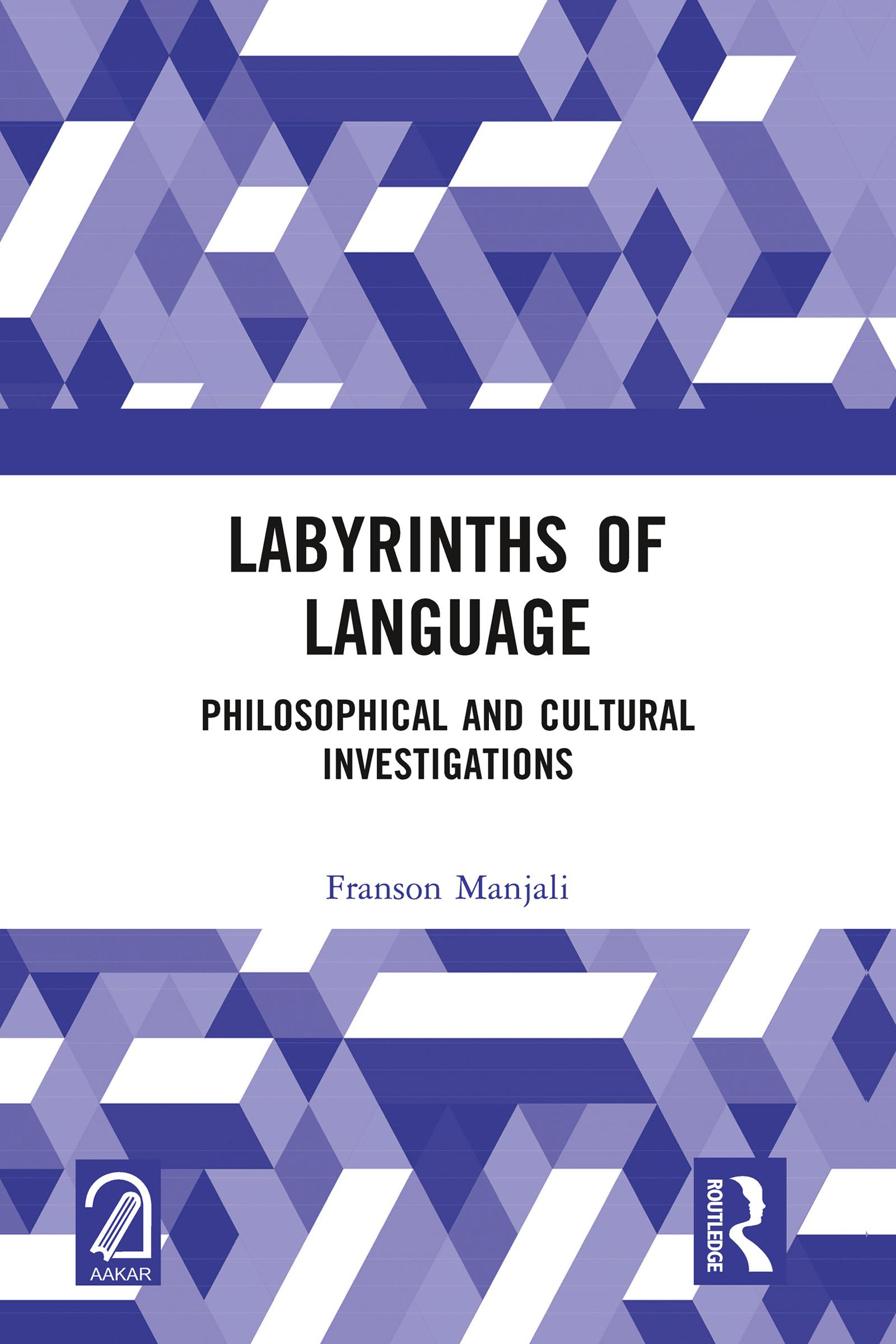
Thirteen essays in the book explore and investigate diverse contemporary philosophically current themes and issues. The title is derived from Wittgenstein's statement that 'anguage is a labyrinth of paths,' and it studiously avoids any conclusive claim on its central motif. What people, both users and theorists, do with language, rather than what it is, is the running theme. The book critically presents the views of a wide range of philosophically and analytically oriented authors including, de Saussure, Levinas, Lévi-Strauss, Wittgenstein, Derrida, Bakhtin, Benjamin, Kafka, Heidegger, Blanchot, Jean-Luc Nancy, Barthes and Deleuze. Only two essays diverge from the main concern with language: the one on the discourse of death, and another on the philosophy of image. One essay involves an analysis of the cultural and political discourse in a contemporary Malayalam novel. The concluding essay attempts to develop a postcolonial field of language studies, with reference to the works of the 18th century British jurist and linguist Sir William Jones and the subsequent philological tradition, whose political consequences are only beginning to be understood.
Paga facilmente con carta, Klarna, Apple Pay o Google Pay. Non sei soddisfatto? Hai sempre 14 giorni per il rimborso. Leggi di più nei nostri termini. Per qualsiasi domanda, scrivici a hello@memmo.org.
Memmo rende lo studio più facile, ovunque tu sia nel mondo. Qui trovi i tuoi libri di testo e strumenti di studio intelligenti, tutto in un unico posto: riassunti, quiz, podcast e flashcard. E poi c'è Ted, il tuo compagno di studio che risponde a ogni tua domanda. Oltre 50.000 studenti studiano già qui: è stato creato per aiutarti a imparare più velocemente e a stressarti meno.
Potrebbe interessarti anche
Acquista il libro0