
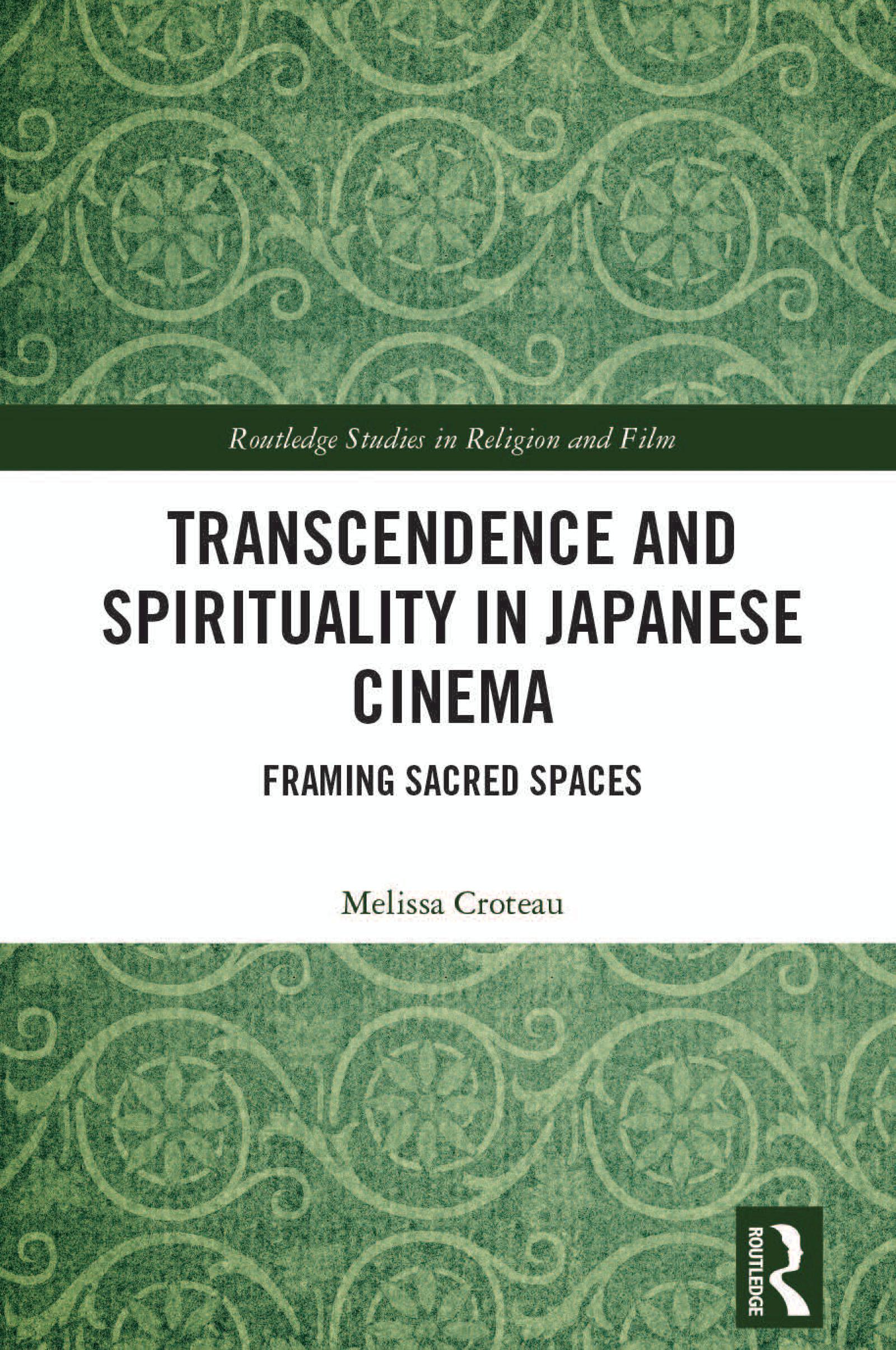
This book explores significant representations of Shinto and Buddhist sacred space, spiritual symbols, and religious concepts that are embedded in the secular framework of Japanese films aimed at general audiences in Japan and globally. These cinematic masterpieces by directors Akira Kurosawa, Hayao Miyazaki, Hirokazu Kore-eda, and Makoto Shinkai operate as expressions of and, potentially, catalysts for transcendence of various kinds, particularly during the Heisei era (1989–2019), when Japan experienced severe economic hardship and devastating natural disasters. The book’s approach to aesthetics and religion employs the multifaceted concepts of ma (structuring intervals, liminal space-time), kū (emptiness, sky), mono no aware (compassionate sensibility, resigned sadness), and musubi (generative interconnection), examining the dynamic, evolving nature of these ancient principles that are at once spiritual, aesthetic, and philosophical. Scholars and enthusiasts of Japanese cinema (live action and anime), religion and film, cinematic aesthetics, and the relationship between East Asian religions and the arts will find fresh perspectives on these in this book, which moves beyond conventional notions of transcendental style and essentialized approaches to the multivalent richness of Japanese aesthetics.
Paga facilmente con carta, Klarna, Apple Pay o Google Pay. Non sei soddisfatto? Hai sempre 14 giorni per il rimborso. Leggi di più nei nostri termini. Per qualsiasi domanda, scrivici a hello@memmo.org.
Memmo rende lo studio più facile, ovunque tu sia nel mondo. Qui trovi i tuoi libri di testo e strumenti di studio intelligenti, tutto in un unico posto: riassunti, quiz, podcast e flashcard. E poi c'è Ted, il tuo compagno di studio che risponde a ogni tua domanda. Oltre 50.000 studenti studiano già qui: è stato creato per aiutarti a imparare più velocemente e a stressarti meno.