
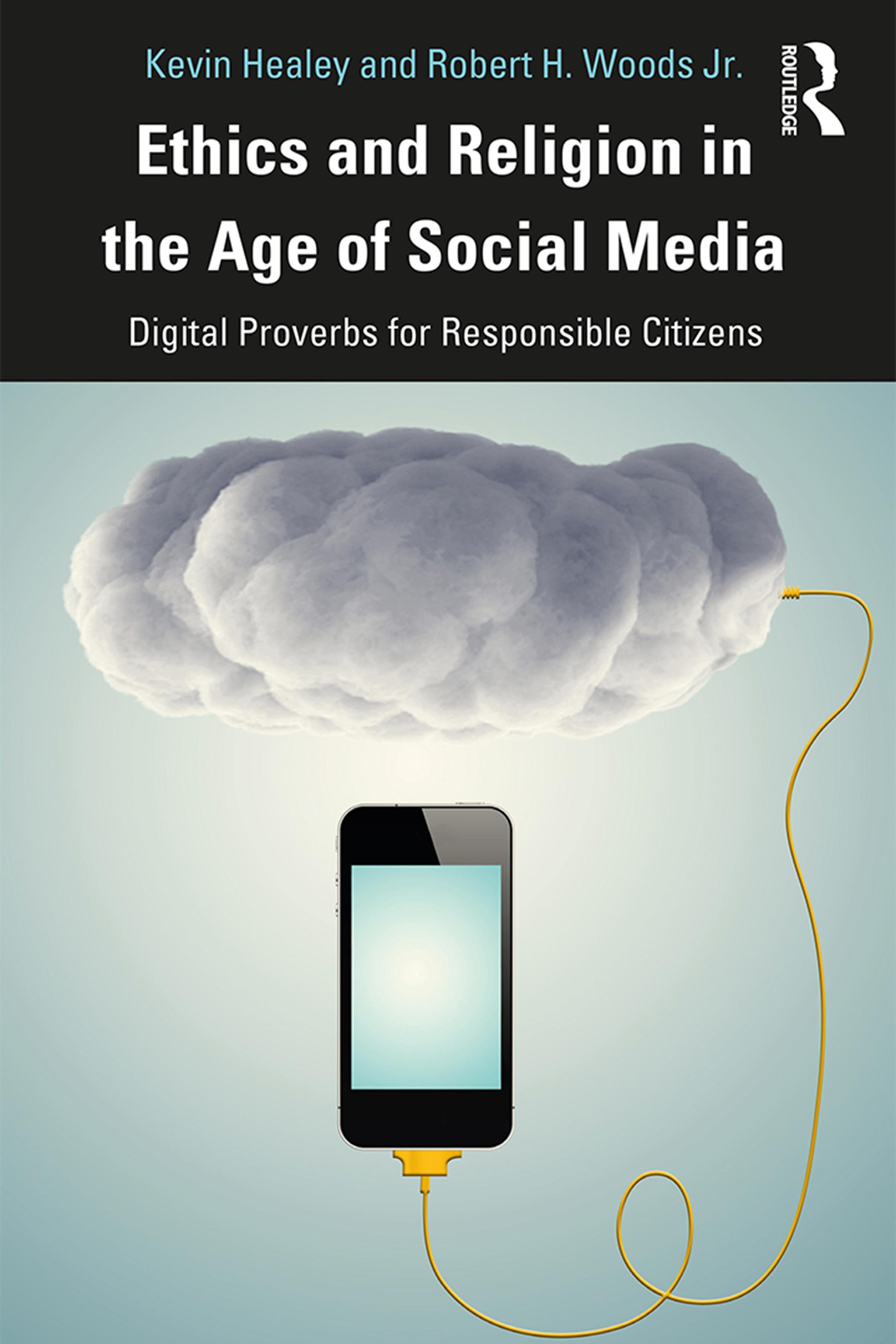
Arguing that popular digital platforms promote misguided assumptions about ethics and technology, this book lays out a new perspective on the relation between technological capacities and human virtue.
The authors criticize the “digital catechism” of technological idolatry arising from the insular, elite culture of Silicon Valley. In order to develop digital platforms that promote human freedom and socio-economic equality, they outline a set of five “proverbs” for living responsibly in the digital world: (1) information is not wisdom; (2) transparency is not authenticity; (3) convergence is not integrity; (4) processing is not judgment; and (5) storage is not memory. Each chapter ends with a simple exercise to help users break through the habitual modes of thinking that our favorite digital applications promote. Drawing from technical and policy experts, it offers corrective strategies to address the structural and ideological biases of current platform architectures, algorithms, user policies, and advertising models.
This book will appeal to scholars and graduate and advanced undergraduate students investigating the intersections of media, religion, and ethics, as well as journalists and professionals in the digital and technological space.
Paga facilmente con carta, Klarna, Apple Pay o Google Pay. Non sei soddisfatto? Hai sempre 14 giorni per il rimborso. Leggi di più nei nostri termini. Per qualsiasi domanda, scrivici a hello@memmo.org.
Memmo rende lo studio più facile, ovunque tu sia nel mondo. Qui trovi i tuoi libri di testo e strumenti di studio intelligenti, tutto in un unico posto: riassunti, quiz, podcast e flashcard. E poi c'è Ted, il tuo compagno di studio che risponde a ogni tua domanda. Oltre 50.000 studenti studiano già qui: è stato creato per aiutarti a imparare più velocemente e a stressarti meno.