
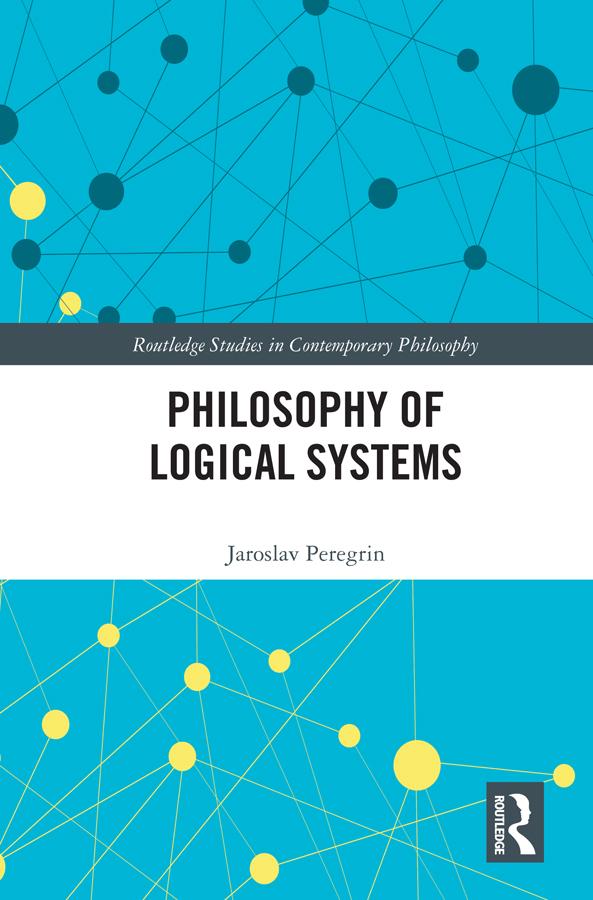
This book addresses the hasty development of modern logic, especially its introducing and embracing various kinds of artificial languages and moving from the study of natural languages to that of artificial ones. This shift seemed extremely helpful and managed to elevate logic to a new level of rigor and clarity. However, the change that logic underwent in this way was in no way insignificant, and it is also far from an insignificant matter to determine to what extent the "new logic" only engaged new and more powerful instruments to answer the questions posed by the "old" one, and to what extent it replaced these questions with new ones.
Hence, this movement has generated brand new kinds of philosophical problems that have still not been dealt with systematically. Philosophy of Logical Systems addresses these new kinds of philosophical problems that are intertwined with the development of modern logic. Jaroslav Peregrin analyzes the rationale behind the introduction of the artificial languages of logic; classifies the various tools which were adopted to build such languages; gives an overview of the various kinds of languages introduced in the course of modern logic and the motifs of their employment; discusses what can actually be achieved by relocating the problems of logic from natural language into them; and reaches certain conclusions with respect to the possibilities and limitations of this "formal turn" of logic.
This book is both an important scholarly contribution to the philosophy of logic and a systematic survey of the standard (and not so standard) logical systems that were established during the short history of modern logic.
Paga facilmente con carta, Klarna, Apple Pay o Google Pay. Non sei soddisfatto? Hai sempre 14 giorni per il rimborso. Leggi di più nei nostri termini. Per qualsiasi domanda, scrivici a hello@memmo.org.
Memmo rende lo studio più facile, ovunque tu sia nel mondo. Qui trovi i tuoi libri di testo e strumenti di studio intelligenti, tutto in un unico posto: riassunti, quiz, podcast e flashcard. E poi c'è Ted, il tuo compagno di studio che risponde a ogni tua domanda. Oltre 50.000 studenti studiano già qui: è stato creato per aiutarti a imparare più velocemente e a stressarti meno.