
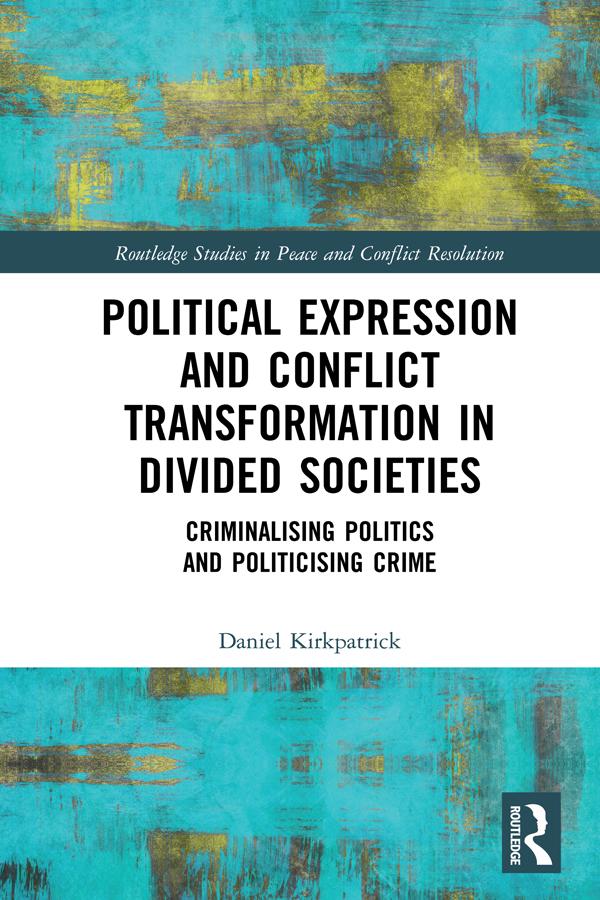
This book considers how the social construction of crime and the criminalising of political expression impact upon different stages in a violent political conflict.
The freedom to express our political opinions is regarded as an essential human right throughout most of the world, and yet, in defence of our security, governments often place various restrictions on it. This book directly considers what these restrictions are in the context of deeply divided societies to understand how they impact upon intergroup relations in four different contexts: nonviolent movements, counter-insurgency, peace negotiations, and post-settlement peacebuilding. Drawing on an extensive body of original interviews and archival material, the volume analyses this relationship through an in-depth consideration of Northern Ireland and South Africa, followed by a wider analysis of Turkey, Sri Lanka, Belgium, and Canada. The overarching argument is that the implications of criminalising political expression depend on both its ‘target’ and the wider social reality it contributes towards.
This book will be of much interest to students of conflict resolution, transitional justice, law, and International Relations.
Paga facilmente con carta, Klarna, Apple Pay o Google Pay. Non sei soddisfatto? Hai sempre 14 giorni per il rimborso. Leggi di più nei nostri termini. Per qualsiasi domanda, scrivici a hello@memmo.org.
Memmo rende lo studio più facile, ovunque tu sia nel mondo. Qui trovi i tuoi libri di testo e strumenti di studio intelligenti, tutto in un unico posto: riassunti, quiz, podcast e flashcard. E poi c'è Ted, il tuo compagno di studio che risponde a ogni tua domanda. Oltre 50.000 studenti studiano già qui: è stato creato per aiutarti a imparare più velocemente e a stressarti meno.