
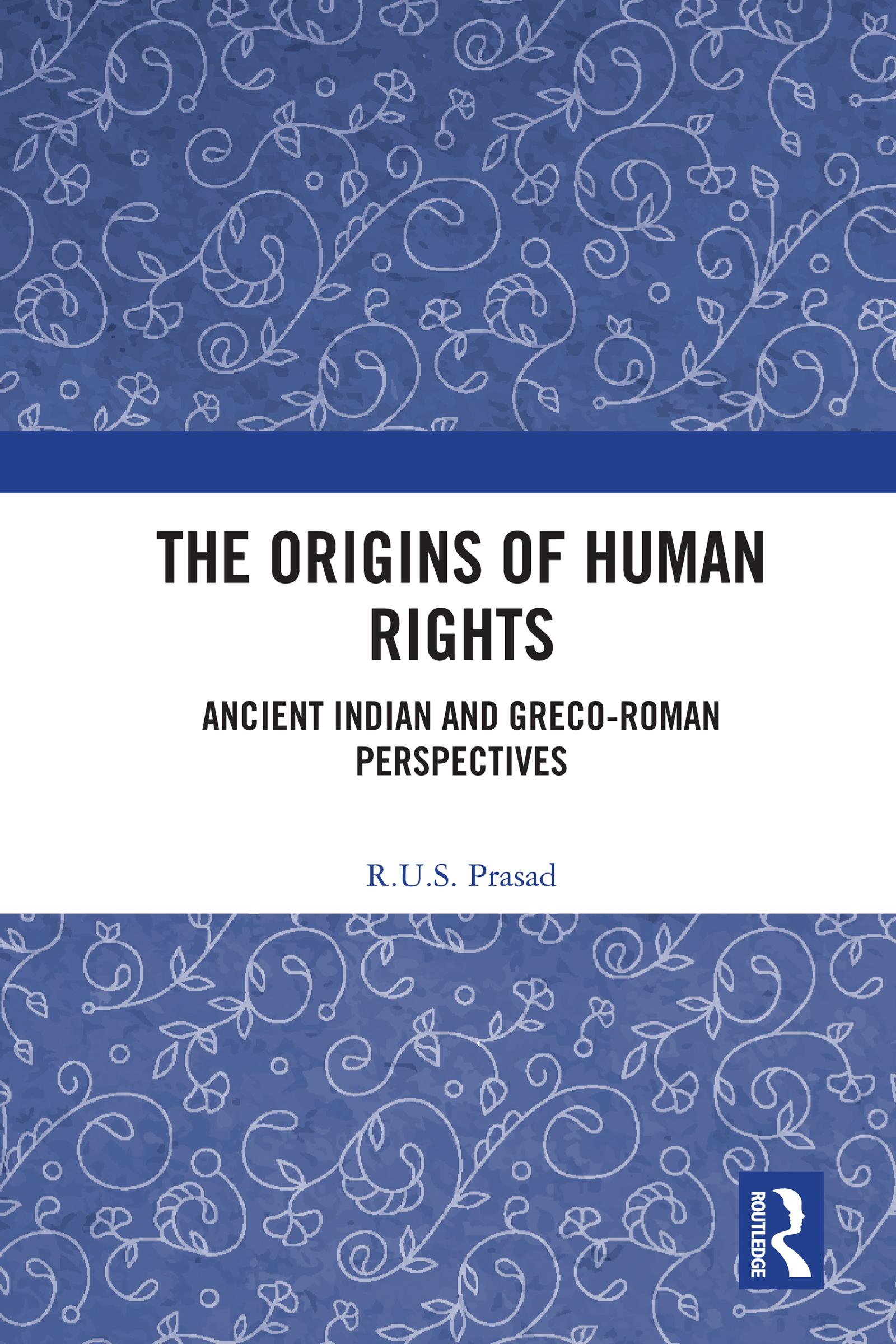
This book studies the history of intercultural human rights. It examines the foundational elements of human rights in the East and the West and provides a comparative analysis of the independent streams of thought originating from the two different geographic spaces. It traces the genesis of the idea of human rights back to ancient Indian and Greco-Roman texts, especially concepts such as the Rigvedic universal moral law, the Upanishadic narratives, the Romans’ model of governance, the rule of law, and administration of justice. It also looks at Cicero’s concept of rights and duties which focuses on quality of compassion and fair play, and Seneca’s expositions on mercy, empathy, justice, and checks on the arbitrary exercise of power.
An important contribution, this book fills a significant gap in the study of human rights. It will be useful for students and researchers of political science, ancient history, religion and civilizations, philosophy, history, human rights, governance, law, sociology, and South Asian studies. The book also caters to general readers interested in the history of human rights.
Paga facilmente con carta, Klarna, Apple Pay o Google Pay. Non sei soddisfatto? Hai sempre 14 giorni per il rimborso. Leggi di più nei nostri termini. Per qualsiasi domanda, scrivici a hello@memmo.org.
Memmo rende lo studio più facile, ovunque tu sia nel mondo. Qui trovi i tuoi libri di testo e strumenti di studio intelligenti, tutto in un unico posto: riassunti, quiz, podcast e flashcard. E poi c'è Ted, il tuo compagno di studio che risponde a ogni tua domanda. Oltre 50.000 studenti studiano già qui: è stato creato per aiutarti a imparare più velocemente e a stressarti meno.