
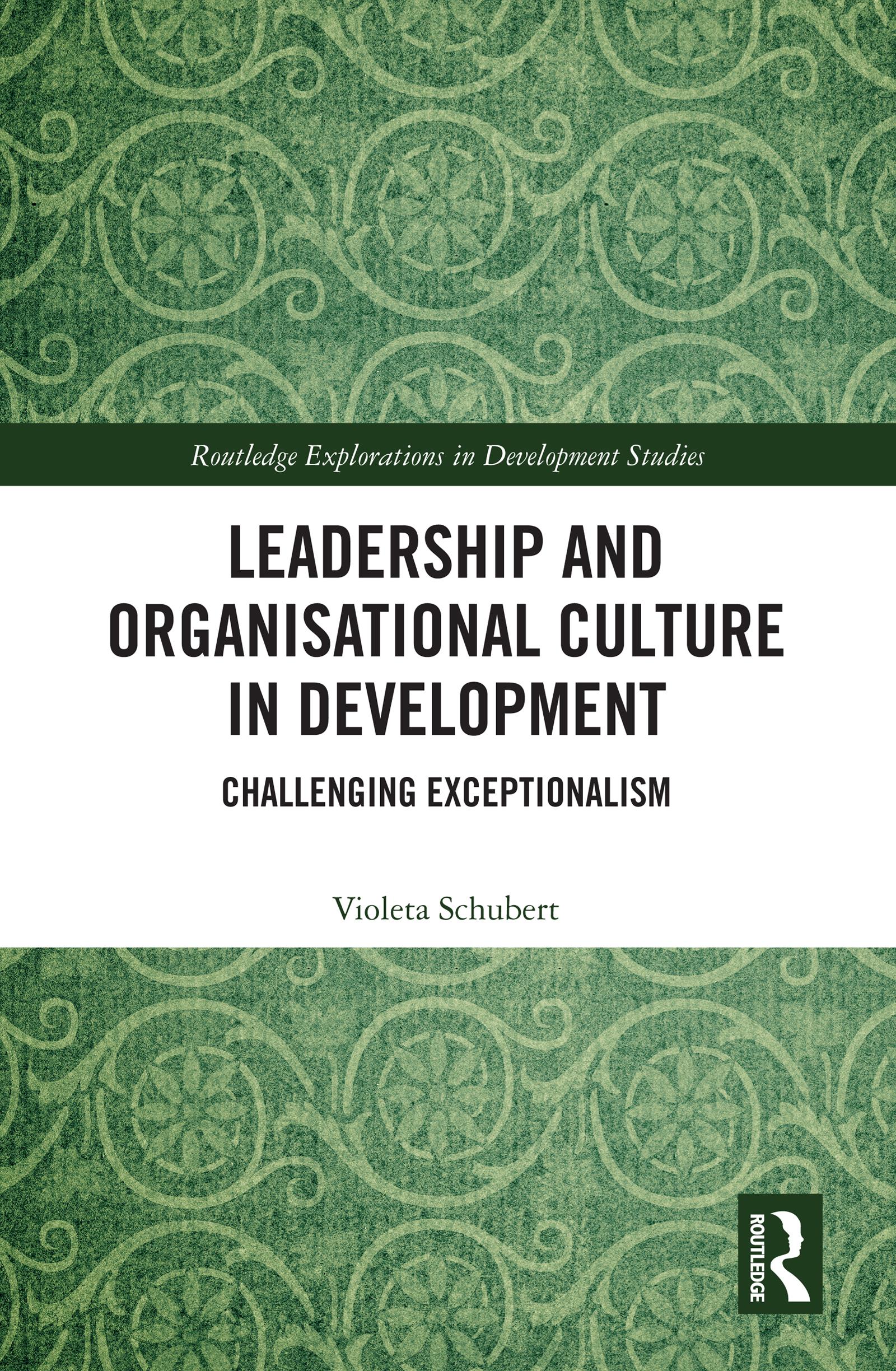
This book uses organisational theory to explore how power and leadership operate in development organisations in different contexts and at different levels.
Culture as a tool for enacting change is of particular importance within organisational and leadership analysis but often limiting. Notions of exceptionalism within the development sector mean that lessons from other organisational contexts are often disregarded or deemed irrelevant. In examining the way that culture operates in organisational and leadership analysis and in development thinking and approaches, the book invites closer attention to modes of organising and leading. The book examines development exceptionalism and the leadership fetishism that it evokes as a panacea for addressing disorder and crisis. The term organisationalism is deployed to capture the endeavours to control and manage, produce and reproduce organisation, and the manifestations, responses and imprints of ‘seeing like an organisation’. The modes and manifestations of organisationalism are especially notable in times of crisis and disorder, accusations of wrongdoings, bad culture and bad leadership.
This book makes an important contribution to debates on development exceptionalism and leadership and as such will be of interest to researchers in development studies and management studies and related disciplines across sociology, politics and global governance.
Paga facilmente con carta, Klarna, Apple Pay o Google Pay. Non sei soddisfatto? Hai sempre 14 giorni per il rimborso. Leggi di più nei nostri termini. Per qualsiasi domanda, scrivici a hello@memmo.org.
Memmo rende lo studio più facile, ovunque tu sia nel mondo. Qui trovi i tuoi libri di testo e strumenti di studio intelligenti, tutto in un unico posto: riassunti, quiz, podcast e flashcard. E poi c'è Ted, il tuo compagno di studio che risponde a ogni tua domanda. Oltre 50.000 studenti studiano già qui: è stato creato per aiutarti a imparare più velocemente e a stressarti meno.