
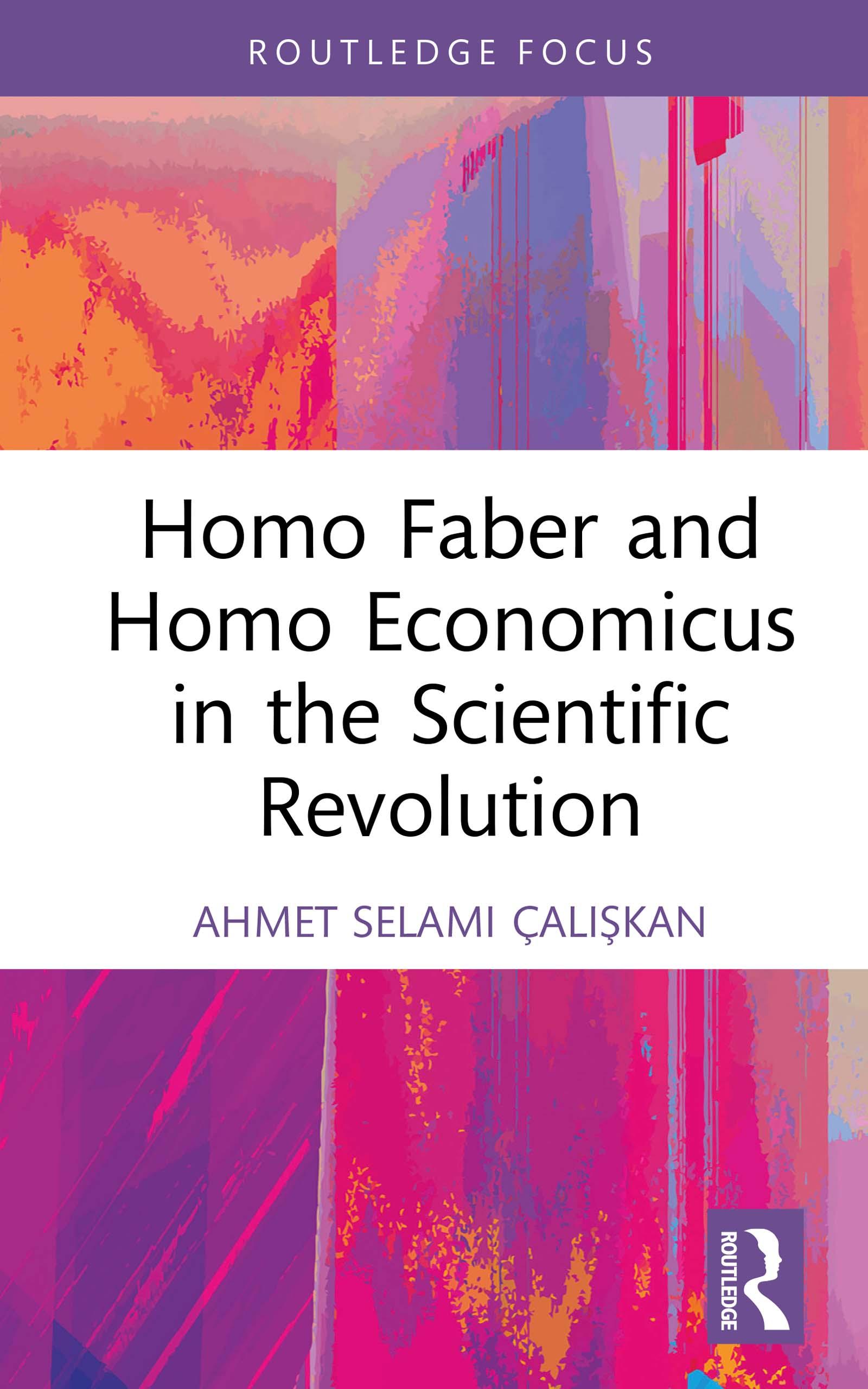
This book tells the story of how the "servile arts" turned into the "mechanical arts," which in turn developed into a kind of philosophical apparatus that made modern science possible.
Why did the scientific revolution take place in the West and not in China or the Islamic world? How did humanity’s progress in science and technology, which had been moving along at a relatively steady pace for tens of thousands of years, end up taking such an unprecedented leap? Subjecting the history of thought and technology to a novel interpretation based on the relationship between theory and practice, Ahmet Selami Çalışkan argues that the industrial revolution and modern science—and the scientific revolution that preceded both—did not alone suffice to sort out the philosophical problems of their day or to produce the institutions of the modern age. Both required a new sort of human: Homo economicus faber.
Tracing the historical emergence of this figure and its persistence in our own age, this book offers an innovative and holistic assessment of the economic, cultural and political effects of centuries of interaction between East and West and their repercussions in our world today.
Paga facilmente con carta, Klarna, Apple Pay o Google Pay. Non sei soddisfatto? Hai sempre 14 giorni per il rimborso. Leggi di più nei nostri termini. Per qualsiasi domanda, scrivici a hello@memmo.org.
Memmo rende lo studio più facile, ovunque tu sia nel mondo. Qui trovi i tuoi libri di testo e strumenti di studio intelligenti, tutto in un unico posto: riassunti, quiz, podcast e flashcard. E poi c'è Ted, il tuo compagno di studio che risponde a ogni tua domanda. Oltre 50.000 studenti studiano già qui: è stato creato per aiutarti a imparare più velocemente e a stressarti meno.