
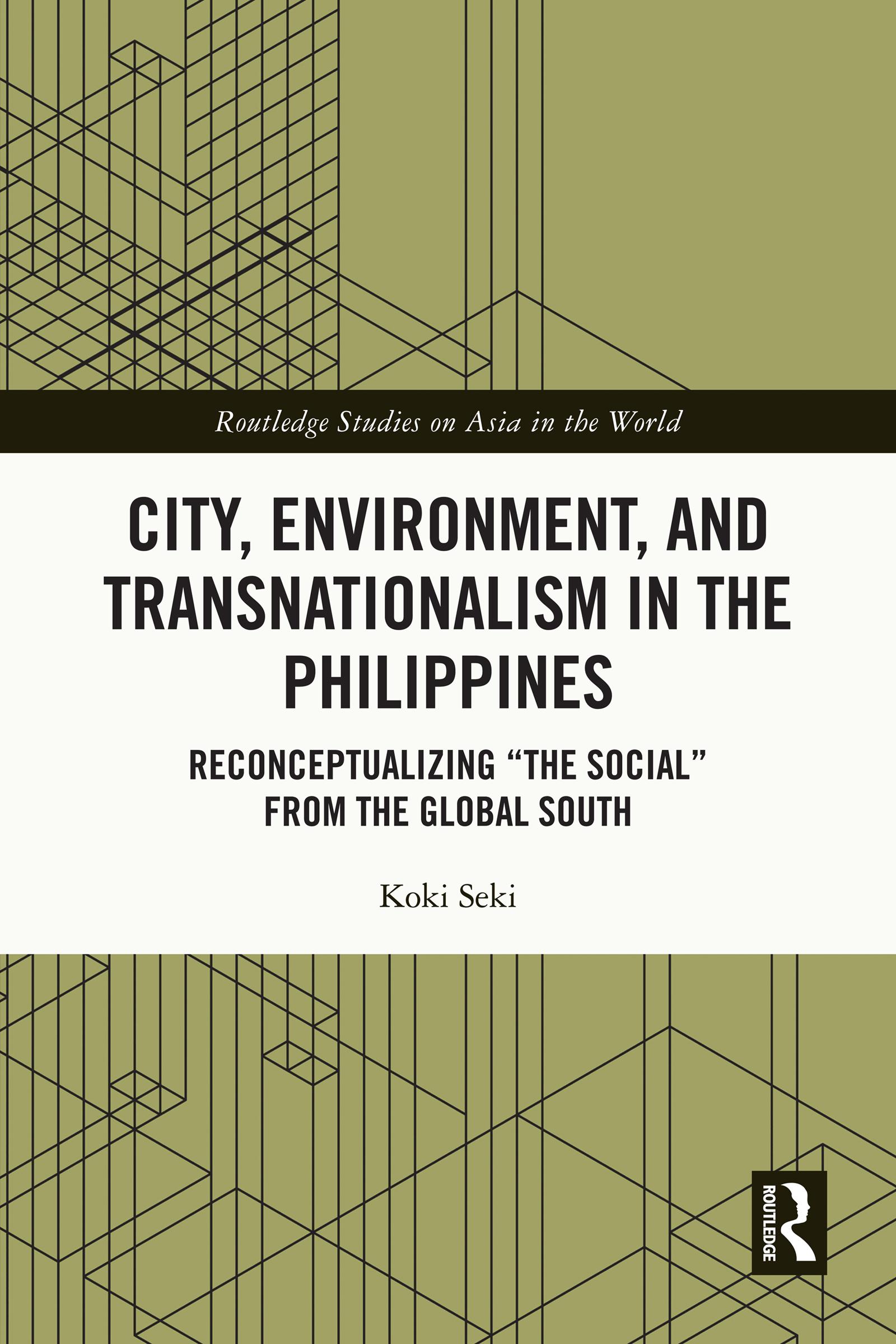
Seki presents an ethnography of uncertainty and precarity experienced by people in urban, rural, and transnational, communities in the Philippines as a case study of social protection without the possibility of a robust welfare state.
He deals with topics including urban poverty, environmental degradation, and transnational migration. Throughout these chapters, Seki elaborates on the modes of security and protection that people living at the margins of global capitalism create through mobilizing their sociality and networks. He traces the emerging configuration of "the social," a collectivity and connectedness that ensures a sense of security in life among people. The social can be defined as an idea or institution, which had enabled formal and impersonal solidarity such as that which provided the underpinnings of the modern welfare states of the West during the mid-20th century. In the twenty-first century the social in this context is experiencing a fundamental reconfiguration as it faces deepening insecurity, risk, and the precariousness of the post-Welfare State or post-Fordist regime. What are the contours of the social emerging in an "unlikely place" of the Philippines amid contemporary insecurity and precariousness?
A vital resource for scholars of the Philippines, and of anthropology and social policy in the Global South more widely.
Paga facilmente con carta, Klarna, Apple Pay o Google Pay. Non sei soddisfatto? Hai sempre 14 giorni per il rimborso. Leggi di più nei nostri termini. Per qualsiasi domanda, scrivici a hello@memmo.org.
Memmo rende lo studio più facile, ovunque tu sia nel mondo. Qui trovi i tuoi libri di testo e strumenti di studio intelligenti, tutto in un unico posto: riassunti, quiz, podcast e flashcard. E poi c'è Ted, il tuo compagno di studio che risponde a ogni tua domanda. Oltre 50.000 studenti studiano già qui: è stato creato per aiutarti a imparare più velocemente e a stressarti meno.